Iran-Linked Hackers Shut Down UK Power Plant for Four Days
Iran-linked hackers forced a British power facility offline for four consecutive days in July 2026, marking the first known successful Iranian cyberattack on UK energy infrastructure, first reported by The Telegraph.
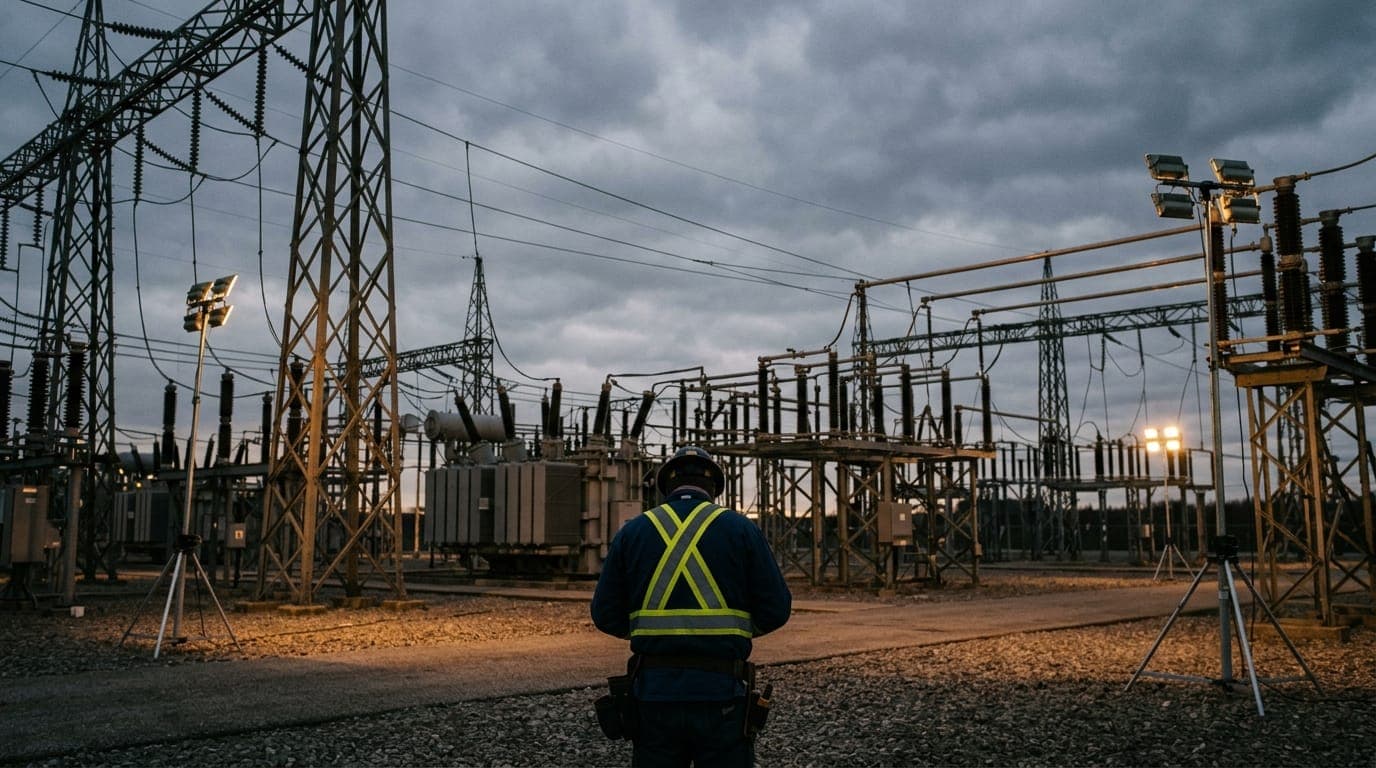
The first known successful Iranian cyberattack on British energy infrastructure ran for four consecutive days before anyone said a word publicly.
Key takeaways
- Iran-linked hackers, suspected to be affiliated with the IRGC, forced a small British power-generating facility offline for four days in July 2026, in what appears to be the first successful Iranian cyberattack against UK energy infrastructure.
- The UK government confirmed the incident but refused to name the facility, with a DESNZ spokesperson calling it a "small-scale energy generator" that posed no risk to the wider grid.
- Security analysts believe the operation was a capability demonstration, not an attempt at mass disruption, timed to the UK's authorization of U.S. military strikes on Iranian missile infrastructure protecting Strait of Hormuz shipping lanes.
Iran-linked hackers forced a British power-generating facility offline for four consecutive days in July 2026, first reported by The Telegraph on August 22, 2026. The attack is believed to mark the first time IRGC-affiliated actors successfully shut down UK energy infrastructure, and British authorities have declined to name the targeted site.
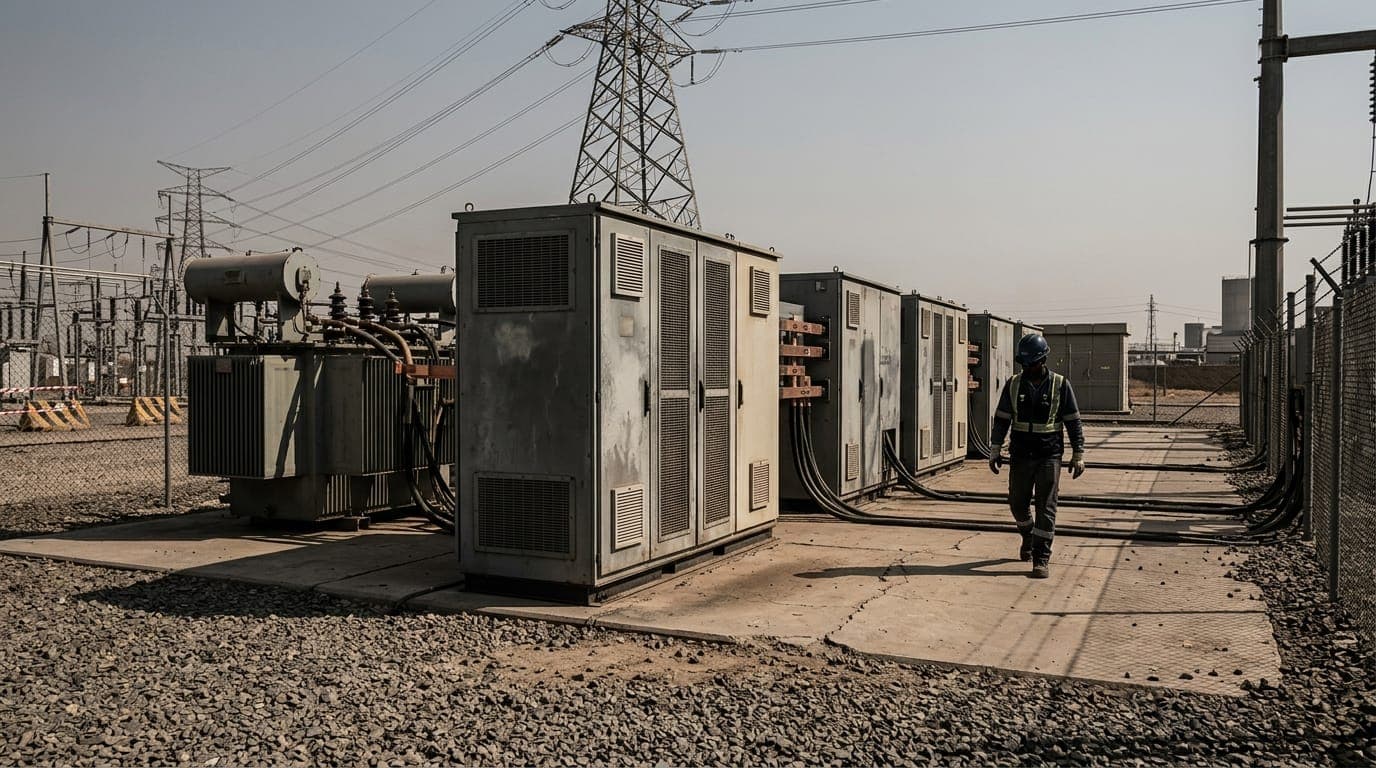
The UK Department for Energy Security and Net Zero confirmed the incident on record. "This story refers to an incident impacting a small-scale energy generator, and at no point was there a risk to the wider energy system," a DESNZ spokesperson said. An unnamed UK government source, per The Telegraph, added that the facility was "less than a rounding error compared to grid capacity." In response to the incident, the NCSC and DESNZ briefed energy CEOs and directly wrote to companies with advice, direction, and next steps, per a government representative quoted by The National.
A Capability Demonstration, Not an Accident
The government's framing, that the site was too small to matter, is precisely what makes this significant. Security analysts who reviewed the incident concluded the operation was designed to prove a capability, not cause mass disruption. Four days of real-world operational shutdown at an energy facility is a proof-of-concept.
The attack coincided with a broader wave of suspected Iranian-linked intrusions targeting water infrastructure. According to multiple agencies including the FBI, the EPA, and CISA, water providers in at least seven U.S. states reported incidents; some officials indicated as many as a dozen states could have been impacted, per reporting at the time. A joint advisory from CISA, the FBI, EPA, and NSA, originally issued in April 2026 and updated July 22, 2026, warned of Iran-affiliated threat actors targeting water systems. The EPA's original advisory is on record. The U.S. attacks began surfacing publicly in late July, with Minnesota among the first states to report incidents, followed by Michigan, Georgia, South Dakota, and New Jersey.
The UK incident fits a recognizable pattern. States probing Western infrastructure don't need to knock the lights out on day one. They need to confirm access. The escalation playbook runs: demonstrate, threaten, demand.
The Geopolitical Thread
The timing is not coincidental. On March 1, 2026, Prime Minister Keir Starmer announced he would permit the U.S. to use RAF Fairford and the joint facility at Diego Garcia for what he described as "specific and limited defensive" strikes on Iranian missile storage depots and launchers, citing the collective self-defense of British allies and the protection of British nationals and personnel in the region. The UK power outage followed that authorization.
Energy and money are fighting the same war. Japan's power prices surged as the Hormuz LNG blockade tightened. The dollar system depends on stable energy flows through those shipping lanes. When a state actor can demonstrate it can flip a switch on a G7 ally's energy infrastructure and face no public attribution, no named facility, the signal to every adversary is clear.
The UK issued no formal attribution notice and named no facility. The NCSC did not issue a public advisory on the incident; per RTE's reporting, it is understood the NCSC did not receive reports of outages in relation to the cyberattack, and the NCSC declined to comment on the facility's identity. Citizens are told there was no risk, with no basis to verify that claim independently. That is a state choosing institutional confidence over public accountability, and it is a choice that repeats every time the first successful incursion is minimized. Colonial Pipeline was called a regional disruption. The first water-system hits were called isolated. The pattern holds.
The AI supply chain fragility story and the grid stress under new power demand are the same infrastructure vulnerability from a different angle. Critical systems with single points of failure, run by institutions that default to opacity when those systems are probed, are exactly as fragile as the adversary's proof-of-concept suggests.
What to Watch
The falsifiable version of the escalation thesis: if the UK publicly attributes the attack, names the facility, and announces a verified technical countermeasure that closes the specific attack vector, and if Iranian-linked probing of Western infrastructure stops, the capability-demonstration reading weakens. A single opportunistic hit with no follow-on activity would also challenge it. Neither of those conditions currently holds. The next indicator worth watching is whether a formal NCSC advisory appears and whether the U.S.-UK authorization framework for Hormuz-adjacent operations is publicly revised.
Sources
- CISA/FBI/EPA/NSA Joint Advisory (updated July 22, 2026)
- EPA Press Release, Original Joint Advisory, April 2026
- First reported by The Telegraph, August 22, 2026
Frequently Asked Questions
Which UK power plant was targeted in the Iranian cyberattack?
British authorities have refused to disclose the facility's name, citing security concerns. The UK DESNZ confirmed the attack affected "a small-scale energy generator" but has not identified the site publicly, and the National Cyber Security Centre has not issued a public advisory naming the facility.
Is the UK power grid at risk from Iranian hackers?
The UK government says the wider grid was never at risk from this specific incident. The security concern analysts are flagging is different: the attack demonstrated that IRGC-affiliated actors can access and shut down UK energy infrastructure. Whether the specific attack vector remains open is not something British authorities have addressed publicly.
How does the UK energy cyberattack connect to the Strait of Hormuz?
The UK authorized U.S. military operations against Iranian missile infrastructure protecting commercial shipping lanes in the Strait of Hormuz. The cyberattack on British energy infrastructure followed that authorization. Analysts and The Telegraph's sourcing both treat the timing as directly connected, framing the hack as retaliatory signaling rather than opportunistic espionage.