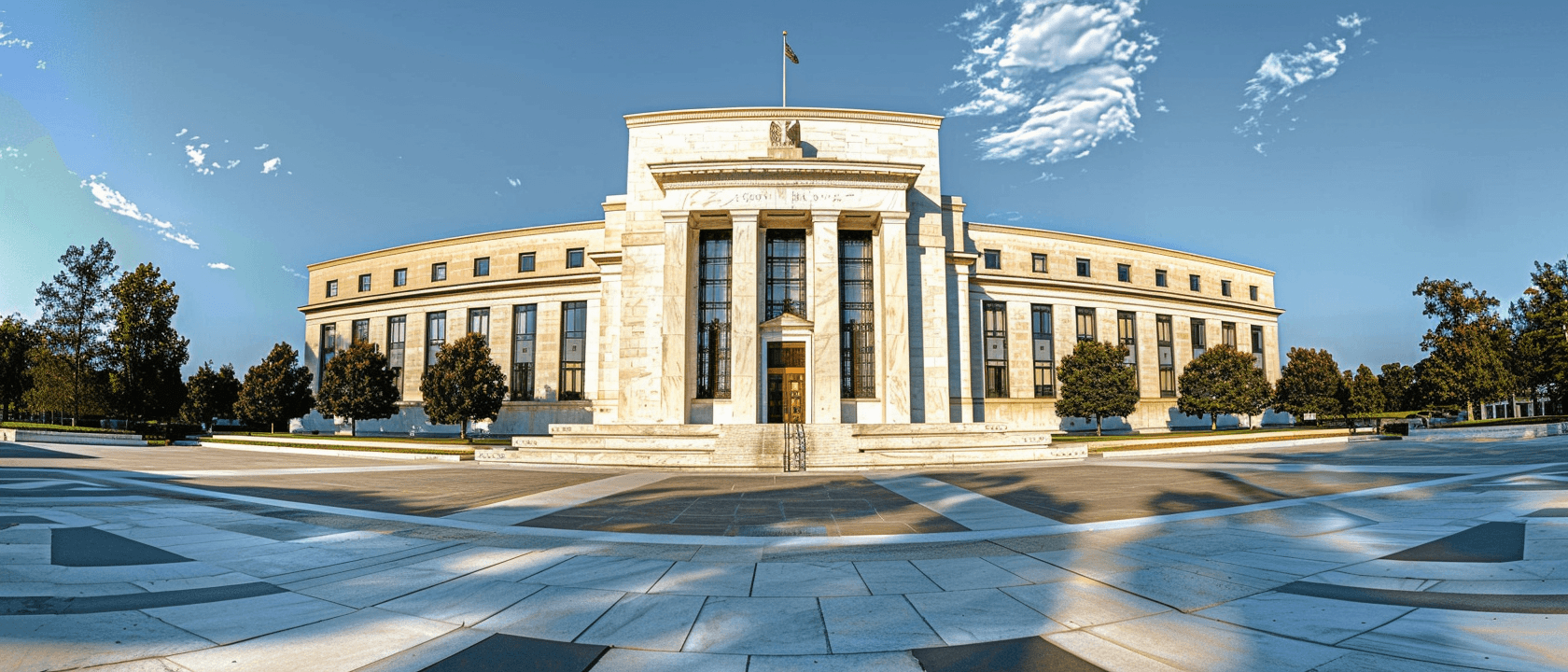
In a recent survey published on Monday by the Federal Reserve, senior loan officers across the United States have indicated a renewed weakening in demand for industrial loans and a decrease in household demand for credit in the first quarter of the year.
The Federal Reserve's survey results, which were available to Fed officials last week, played a role in the decision to maintain the policy rate steady within the 5.25%-5.5% range. The officials expressed their intention to hold rates at this level as long as necessary to combat inflation.
Nationwide economist Ben Ayers commented on the findings, stating, "Many consumers and businesses are feeling the pinch from reduced credit availability even as the Fed looks set to keep interest rates higher into 2025. This could set the stage for weaker activity ahead and makes the economy more susceptible to an unexpected shock."
The survey revealed that the net share of large and medium-sized banks that reported tightening standards for commercial and industrial (C&I) loans increased slightly to 15.6%, up from 14.5%. There was also a notable rise in banks reporting weaker demand for C&I loans.
In contrast, the commercial real estate (CRE) loan sector showed signs of easing, with a reduction in the number of banks tightening standards to the lowest level in two years. Additionally, a lower share of banks reported a drop in demand for CRE loans, and foreign banks even noted an overall increase in demand for CRE loans.
When it comes to household loans, the trend was less encouraging. Banks reported a tightening of standards for auto loans, while there was a decrease in tightening for credit cards and other consumer loans. The demand for household loans deteriorated across all categories, with the demand for auto loans hitting the weakest point in a year.
Some may argue that the Federal Reserve's monetary policy is having its intended effect of cooling off the economy to manage inflation. However, the decline in loan demand across various sectors may signal a broader economic slowdown and increased vulnerability to potential financial shocks.