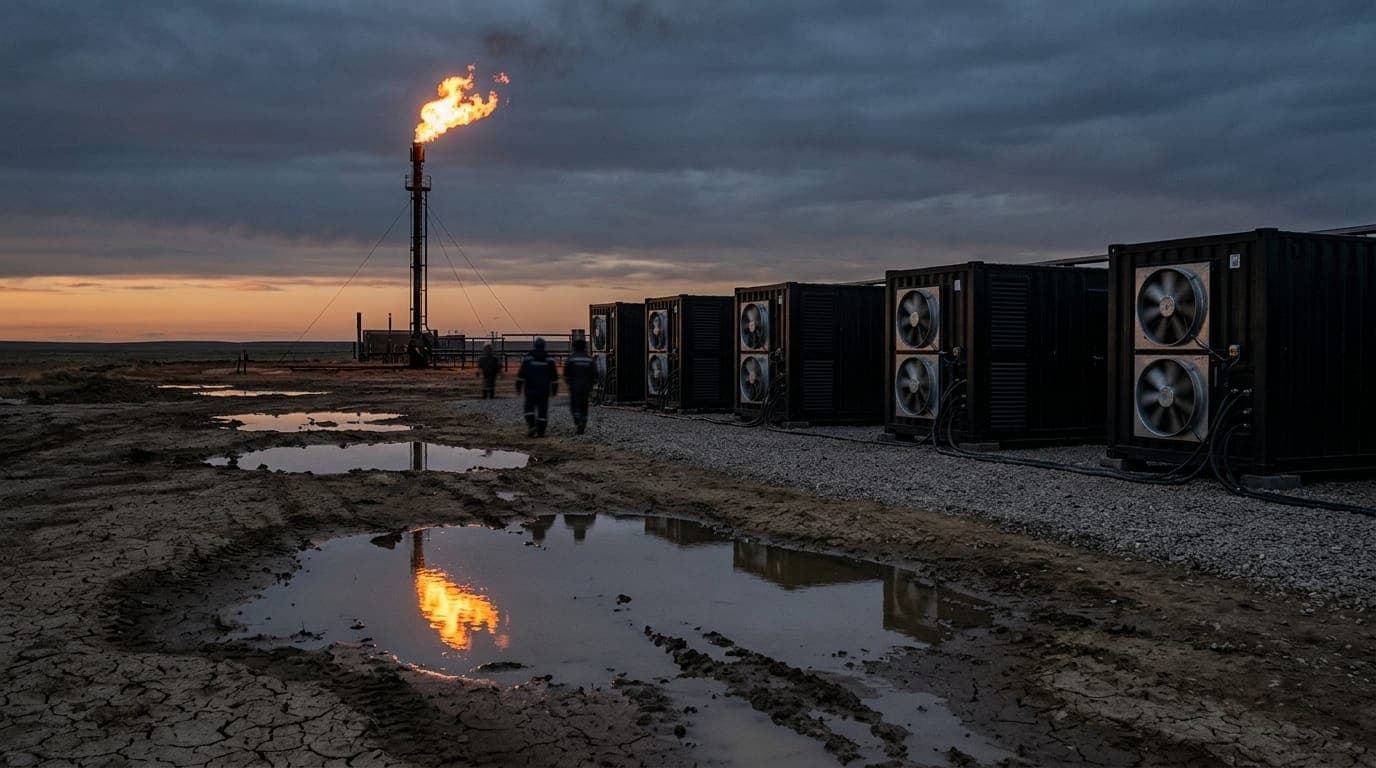
Hormuz Closure Fuels Somali Piracy Surge, Three Tankers Seized
Three oil tankers hijacked in the Gulf of Aden and off Puntland between April and July 2026, the biggest Somali piracy surge in years, driven directly by Hormuz rerouting flooding under-patrolled East African waters.
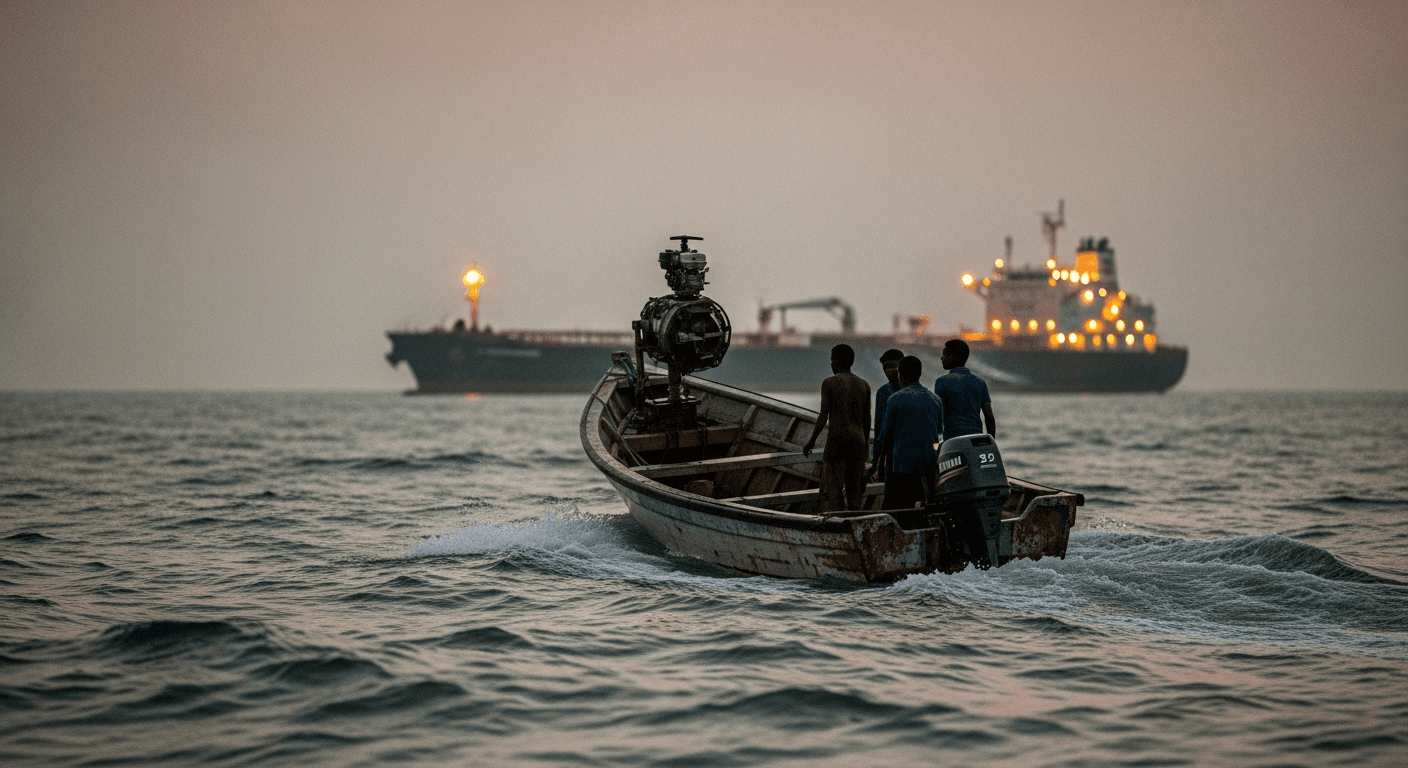
The Africa reroute was supposed to be the safe path. It isn't anymore.
Key takeaways
- Oil tankers MT Honour 25, MT Eureka, and MV Sward were hijacked in the Gulf of Aden and off Puntland between April and May 2026, the highest volume of Somali piracy seizures in years.
- The Hormuz closure rerouted hundreds of vessels through East African waters while diverting U.S. and EU naval assets to the Persian Gulf, handing organized pirate networks an open corridor.
- Ransom demands have reached $10 million for MT Eureka alone, war-risk premiums have exploded on both Hormuz and Africa-route transits, and every added cost cascades into energy prices and consumer inflation.
Somali pirates have seized three vessels between April and May 2026, according to a June 30 analysis by the Global Initiative Against Transnational Organized Crime (GI-TOC), marking the largest wave of Somali piracy seizures in years. The proximate cause is the effective closure of the Strait of Hormuz: hundreds of commercial vessels rerouted around Africa have flooded a corridor where naval coverage is thin and pirate networks have been quietly rebuilding since late 2023.
The Mechanics of the Surge
The three confirmed hijackings are MT Honour 25 (April), MT Eureka (approximately May, near Yemen's port of Qana), and MV Sward (April 26, seized roughly six nautical miles northeast of Garacad off Puntland, per IMO Secretary-General Arsenio Dominguez addressing the IMO Council on July 6). GI-TOC reports that ransom demands have been issued for all three vessels: $10 million for MT Eureka and $3 million for MT Honour 25, its cargo, and crew.
The ransom economy has a recent proof of concept. Pirates received between $1.2 million and $1.5 million for the release of Chinese fishing vessel Liao Dong Yu 578 in March 2026. The same vessel had generated a $2 million ransom in 2024. GI-TOC notes that counter-piracy officials believe that payment helped catalyze the current wave.
Somali piracy peaked in 2011 before an international crackdown drove it to negligible levels. The first meaningful revival came in late 2023, when Houthi attacks in the Red Sea pushed vessels away from Suez and around the Cape of Good Hope. The Hormuz closure accelerated the traffic shift while simultaneously pulling U.S. naval resources toward the Persian Gulf, thinning the counter-piracy presence in East African waters.
GI-TOC's analysis includes a Yemeni military intelligence report assessing coordination between the pirate group allegedly involved in the Eureka hijacking and Houthi officials in the Rada'a district. GI-TOC itself states this assessment "could not be independently verified" and should be treated as an unconfirmed allegation, not established fact.
The Cost Cascade Nobody Is Pricing In
War-risk insurance premiums for Hormuz and Persian Gulf transits have surged to levels that would have been unthinkable 18 months ago. Marcus Baker, Global Head of Marine, Cargo and Logistics at Marsh, noted that "war rates have been on a roller coaster mirroring the development of the price of oil." Pre-conflict premiums ran roughly 0.15 to 0.25 percent of a vessel's value per voyage. At the peak of Hormuz disruption, hull war-risk premiums for vessels heading into the Gulf quadrupled to around 1 percent of ship value for seven days of cover within days of the February 28 strikes, per S&P Global, with Lloyd's underwriters citing historical precedent of 5 percent during the 1980s Tanker War and noting that bespoke quotes varied widely above that level depending on vessel and route.
The Africa route was priced as the escape valve. It no longer is. Piracy risk on the East African corridor is now a live underwriting variable, not a rounding error.
The EIA's August 2026 Short-Term Energy Outlook projects approximately 600,000 barrels per day of residual Hormuz-related supply disruption continuing through the end of 2027, per the EIA's own release, locking elevated energy costs into the forward curve. Shipping companies facing war-risk premiums on both routes, plus live piracy exposure on the Africa detour, pass those costs into the oil price. The oil price passes into the cost of everything that moves. Central banks will label it geopolitical and call it transitory. The same script ran in 2022.
The deeper structure here: the geopolitical dysfunction closing Hormuz and the piracy resurgence it triggered are both symptoms of the same failing. State power is trying to control flows (sanctions, naval blockades, missile corridors), and organized networks adapt faster than the institutions scrambling to contain them. The Africa reroute adds meaningful additional days at sea compared to Suez, compounding fuel burn and crew costs before a single piracy premium is applied.
Every dollar of this lands in the CPI. None of it is abstract.
What Breaks the Thesis
The falsifiable case: if the U.S. and Iran reach a durable ceasefire that reopens Hormuz within 60 to 90 days, traffic should revert through Suez, naval assets should redeploy to counter-piracy operations in the Gulf of Aden, and piracy pressure should subside with the traffic volume.
If piracy does not subside after naval resources return, that is the worse scenario: network rebuild has turned structural, not opportunistic. GI-TOC's reporting on expanded operational capability among Somali pirate networks suggests the capability gap has already widened. The IMB attributed 94 percent of all crew taken hostage worldwide in the first half of 2026 to Somali pirates, per reporting citing the IMB's H1 2026 data. Whether Hormuz reopens or not, that number warrants sustained attention.
Watch for: any IMO or UKMTO advisory expanding the high-risk area designation; whether war-risk underwriters begin pricing the Cape route as a separate elevated-risk corridor (that repricing would hit shipping costs across the board, not just energy); and whether the ransom payments on the current three vessels close quickly (fast closures at high values will accelerate the next wave).
Sources
- GI-TOC: Somali Piracy Surges Due to Chinese Ransom Payments and Strait of Hormuz Crisis (June 30, 2026)
- The National: War-Risk Shipping Premium Surges Again as Tensions Escalate at Strait of Hormuz (July 17, 2026)
- IMO: Secretary-General Calls for Urgent Release of 44 Seafarers Held by Pirates (July 7, 2026)
- EIA: August 2026 Short-Term Energy Outlook
- SOFX: Suspected Somali Pirates Hijack Tanzanian-Flagged Tanker off Yemen
- EU Naval Force Operation Atalanta
- UKMTO: Maritime Advisories
- IMB / ICC-CCS Piracy Reports
Frequently Asked Questions
Why did Somali piracy collapse after 2011 and why is it surging again now?
The post-2011 crackdown worked because international naval coalitions, including EU Operation Atalanta and Combined Maritime Forces, maintained a persistent presence in the Gulf of Aden and Arabian Sea. Piracy became too costly relative to ransom returns. The first crack came in late 2023, when Houthi Red Sea attacks rerouted traffic and thinned the patrol footprint. The Hormuz closure in 2026 compounded both effects: more targets, fewer patrols, and a demonstrated ransom market (the Liao Dong Yu 578 payments) signaling that the economics had shifted back in the pirates' favor.
How much does the Africa reroute add to shipping costs compared to Suez?
The Cape of Good Hope route adds meaningful additional transit time versus a Suez Canal passage, translating to higher fuel consumption and crew costs before any insurance premium is applied. Combined with the war-risk premium now being applied to East African corridors and the live piracy exposure documented in the GI-TOC analysis, the "safe route" discount has effectively disappeared.
Is there a confirmed connection between Houthi militants and Somali pirates?
GI-TOC's June 30, 2026 analysis includes a Yemeni military intelligence assessment alleging coordination between pirate networks involved in the Eureka hijacking and Houthi officials in the Rada'a district. GI-TOC explicitly states the assessment "could not be independently verified." Treat it as an unconfirmed allegation. What is confirmed: the Houthi Red Sea campaign created the traffic rerouting conditions that made the current piracy wave possible, regardless of whether direct operational coordination exists.