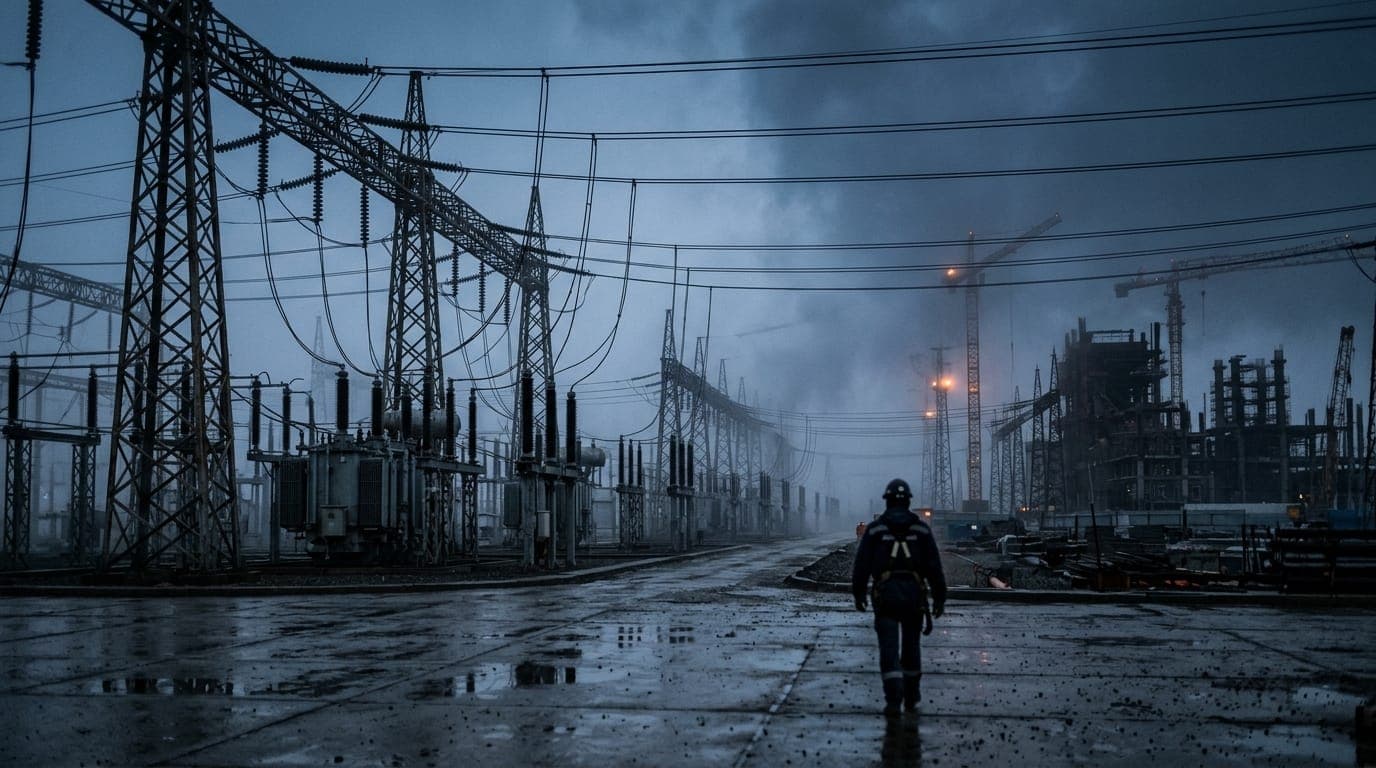
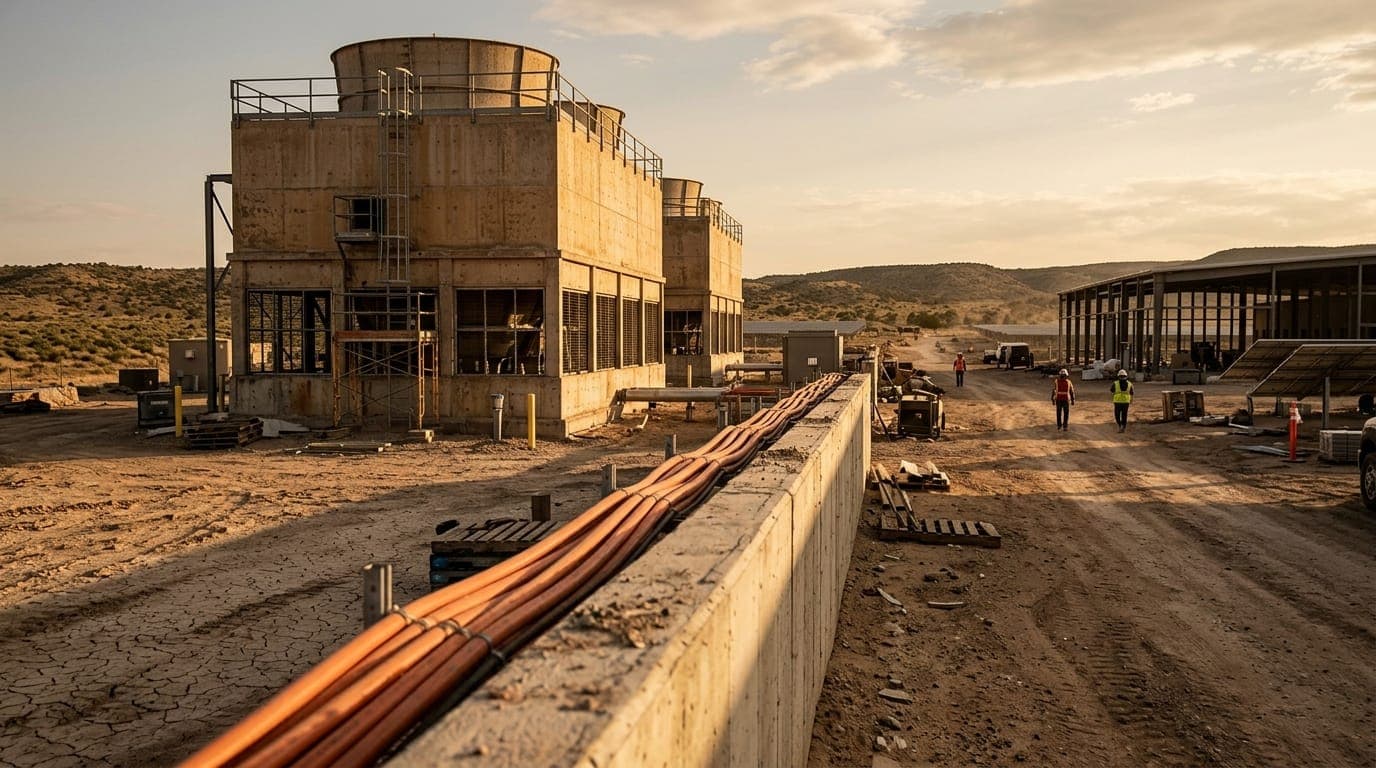
OpenAI Hires Power-Trading Lead as Stargate's 10 GW Bet Gets Real
OpenAI is hiring a dedicated power-trading lead for its Stargate data center portfolio, per Bloomberg, signaling that energy cost is now a first-order P&L variable for AI infrastructure and that hyperscalers are moving onto the same grid playing field as Bitcoin miners.
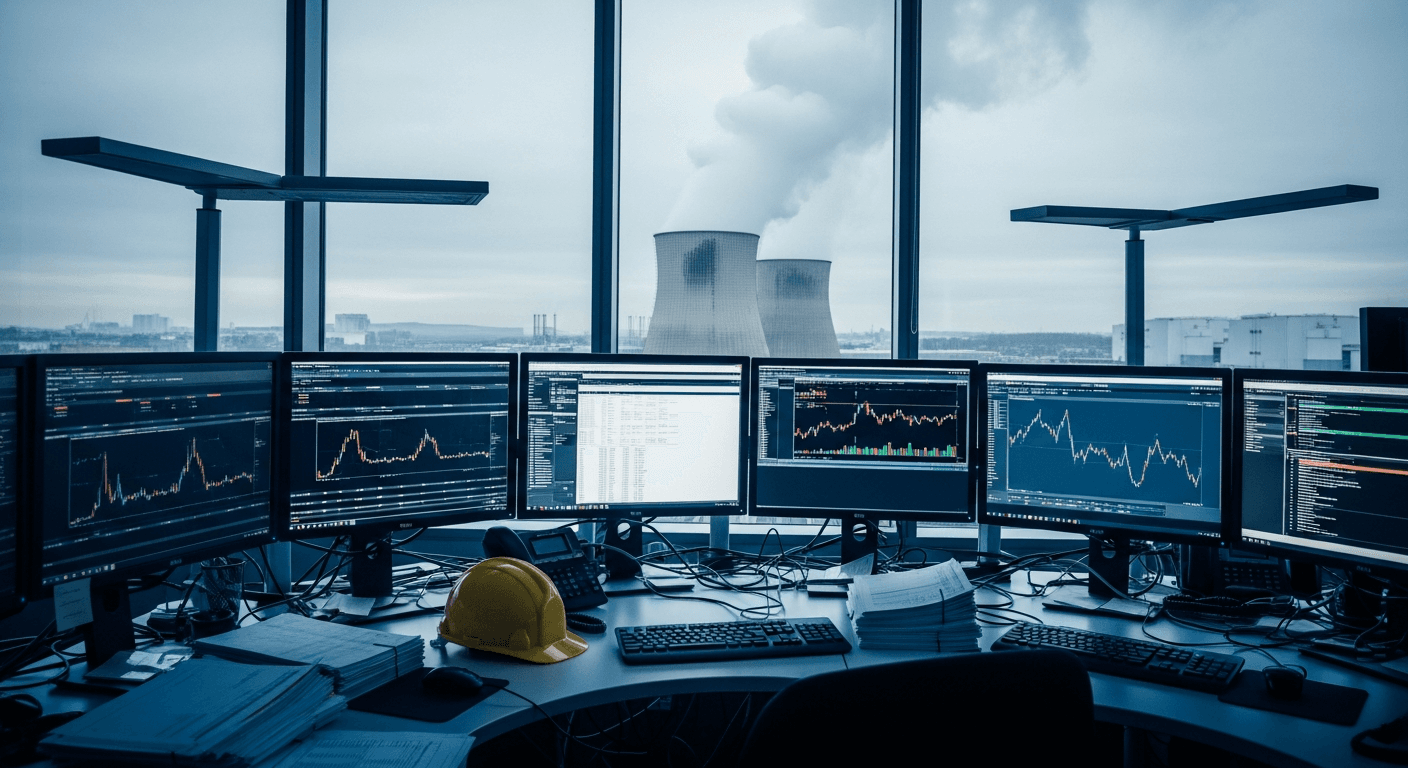
OpenAI is recruiting what Bloomberg describes as a power-trading lead for its data center portfolio, a move that, if the role extends to active wholesale market operations, would put it in direct competition with Bitcoin miners for the same dispatchable grid capacity.
Key takeaways
- OpenAI is hiring what Bloomberg describes as a power-trading lead for its data center portfolio, signaling that energy costs may be moving from a procurement line item to an active P&L lever.
- If the mandate covers active wholesale market participation, the hire would position OpenAI to compete for the same dispatchable power, curtailment credits, and ancillary services that Bitcoin miners have built their flexible-load business models around.
- The binding constraint on both AI compute and Bitcoin proof-of-work is the same resource: electrons. OpenAI's move to institutionalize its grip on that resource is the candid acknowledgment no press release will make.
OpenAI is recruiting what Bloomberg describes as a power-trading lead for its data center portfolio. The move comes as the company's Stargate joint venture, a $500 billion commitment with Oracle and SoftBank, has already surpassed its original 10 GW U.S. data center capacity target per OpenAI's own blog, with individual campus sites in the 1 to 2 GW range per the SB Energy press release from January 2026.
This is not a conventional facilities hire. A power-trading role implies active participation in wholesale electricity markets, not just signing long-term power purchase agreements and waiting for the bill.
From Utility Customer to Grid Participant
OpenAI has already posted roles for a Clean Energy and New Technology Lead, a Utility and Power Project Lead tied to Stargate, an Infrastructure Finance Lead, and an Energy Policy Lead in Washington, D.C. The power-trading position is the next step: it takes the energy function from procurement into active market operations.
A power-trading desk at a hyperscaler would typically handle day-ahead and real-time wholesale market positions, optimize when and where facilities draw power based on live spot prices, and potentially monetize flexible load capacity through ancillary service markets run by grid operators like ERCOT, MISO, and PJM. That is the skill set of a commodity trading desk, not a building manager.
The scope of the mandate matters enormously here. If the role is limited to long-term PPA negotiation and interconnection queue management, the market-participant framing is overstated. If it extends to wholesale market participation and curtailment arbitrage, OpenAI is becoming something closer to an independent power trader. The job description, which Bloomberg has not yet made publicly accessible, determines which of those is true.
The Grid Fight Bitcoin Miners Know Well
Bitcoin miners have spent years building exactly this playbook. Interruptible, flexible load that can sell demand-response capacity back to grid operators is their competitive moat. AI infrastructure's power strategy is already woven into the same grid fabric miners occupy. Now OpenAI appears to be staffing the capability to play that market directly.
The practical consequence is competition. Hyperscalers with dedicated trading desks will bid for the same curtailment credits and ancillary-service contracts that miners rely on for margin. For miners without fixed-price, long-dated PPAs or behind-the-meter energy sources, rising competition from institutionalized power buyers means higher spot costs and tighter economics.
The thesis here is falsifiable. If the role turns out to be PPA management only, no active wholesale market participation, the grid-market-maker framing collapses and this is a sophisticated but conventional energy-procurement hire. Watch for a public job posting or a Bloomberg follow-up that details the actual mandate.
The deeper signal, regardless of scope, is that OpenAI is now treating energy scarcity as a first-order strategic variable. Every gigawatt locked under long-term contracts or actively managed through trading positions is a gigawatt that costs more for the next buyer to access. Cambridge Bitcoin Electricity Consumption Index data puts global Bitcoin mining demand at roughly 138 TWh annually as of early 2025, per CBECI methodology data, verify the current figure before the next update. Stargate's U.S. commitment alone is 10 GW. That ratio is not academic for miners pricing their next hosting contract.
What to Watch
The crucial disclosure is the job description itself, either through a public OpenAI posting or a Bloomberg follow-up confirming whether the mandate covers active wholesale market trading or stays within physical procurement. A secondary signal is whether OpenAI files for any regulatory authority that would confirm intent to transact on organized markets as a seller. Any such filing would be public and would settle the question of scope faster than any press release.
Sources
Frequently Asked Questions
What does a power-trading lead at a tech company actually do?
Unlike an energy-procurement hire focused on signing long-term power purchase agreements, a power-trading role typically involves active participation in wholesale electricity markets: buying and selling power in day-ahead and real-time markets, optimizing facility load based on live spot prices, and potentially selling demand-response or ancillary-service capacity back to grid operators. The distinction matters because it means the company is a market participant, not just a ratepayer.
How does Stargate's power target compare to Bitcoin mining's total global load?
The Cambridge Bitcoin Electricity Consumption Index estimates Bitcoin mining's annual electricity consumption at roughly 138 TWh as of early 2025, verify the current figure before using it in print. Stargate's stated 10 GW U.S. target, which OpenAI says it has already surpassed per its own blog post, represents an enormous share of that load concentrated in a single domestic buildout. That comparison captures why energy-cost competition between AI capex and proof-of-work is a structural issue, not a cyclical one.
Does rising AI power demand hurt Bitcoin miners or help them?
Both, depending on the miner. Rising demand tightens supply and raises spot costs for marginal operators. It makes the economics harder for anyone paying market rates for interruptible grid power. But miners on stranded or flared gas, behind-the-meter renewable sources, or with long-dated fixed-price PPAs are structurally insulated. They face less competition for their specific power source, and as spot market costs rise for competitors, their cost advantage widens. The energy-scarcity thesis that underpins Bitcoin's long-run security budget is simultaneously validated by the same demand surge that pressures undercapitalized miners.