Kazakhstan Builds Crypto Reserve by Taxing Bitcoin Miners 10%
Kazakhstan's Government Resolution No. 638 mandates that qualifying miners transfer 10% of mined digital assets monthly to a state fund, which routes coins into a National Strategic Crypto Reserve managed by the National Bank's investment arm.
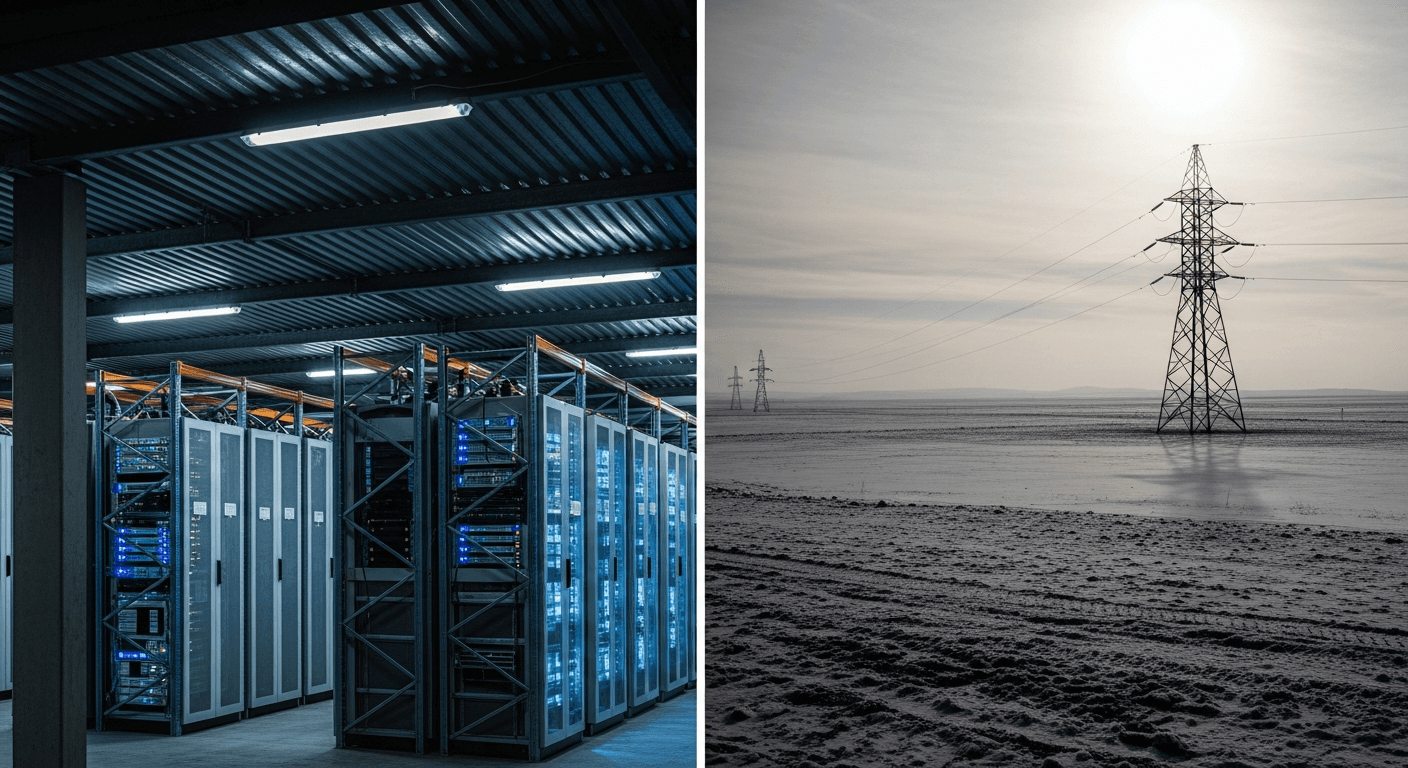
President Tokayev's two-step decree creates a state extraction pipeline from private miners to a sovereign fund, not a sound-money conviction play.
Key takeaways
- Government Resolution No. 638, effective August 1, requires qualifying miners to transfer a share of mined digital assets monthly to a state-linked fund, which routes coins to the National Bank's investment arm inside a "national strategic crypto reserve."
- The reserve's mandate covers crypto derivatives and equity in crypto companies, not just bitcoin, making this a diversified state portfolio vehicle, not a sovereign bitcoin accumulation strategy.
- The 150 MW minimum data center threshold concentrates access among a handful of large industrial operators, creating a two-tier mining market in one of the world's top-five mining jurisdictions.
Kazakhstan enacted a two-step framework to siphon a share of its industrial mining output into a government-controlled sovereign fund. President Kassym-Jomart Tokayev signed the presidential decree on July 7, 2026; Government Resolution No. 638 followed on July 18 and takes effect August 1. The nation-state accumulation headline is real. The mechanism is coercive extraction from a captive industrial base.
How the Extraction Works
Under Resolution No. 638, published in the PRG.kz legal database, qualifying miners receive electricity quotas at capped tariffs on 10-year contracts from listed power producers. Bitcoin Magazine, citing local reporting, identifies the first approved source as the Ekibastuz GRES-1 coal plant, with a reported 300-megawatt quota; the Resolution text on PRG.kz was not independently accessible in English to confirm those specifics. In exchange, miners transfer a portion of mined digital assets monthly to the state-linked Astana Hub autonomous cluster fund, calculated after the cost of electricity and grid services. Bitcoin Magazine, citing local reporting, puts the formula at 10% of mined assets; gncrypto.news notes that figure "is not confirmed in the government text."
Astana Hub passes those coins to the JSC National Investment Corporation of the National Bank of Kazakhstan (nationalbank.kz) for management inside the "national strategic crypto reserve."
To qualify, a miner must operate a data center of at least 150 megawatts with rigs clearing 150 terahashes per second per unit. That threshold is not incidental, it structurally limits program access to a small number of large-scale industrial operators and hands the state control over whoever clears the bar.
First reported by Bitcoin Magazine (Micah Zimmerman, July 23, 2026).
A Mining Royalty, Not a Conviction Buy
The reserve's mandate tells you what this actually is. The National Investment Corporation can invest in digital assets, derivatives tied to those assets, and shares of companies that build or invest in crypto. That is a diversified state portfolio, not a bitcoin treasury. The state retains discretion to hold, hedge, or redeploy whatever coins flow in from the monthly tribute.
Compare this to the approaches taken in El Salvador or Bhutan. El Salvador acquired bitcoin through direct purchase and legal-tender policy. Bhutan accumulated it through incidental hydro-mining surplus.
Kazakhstan built a legal pipeline to extract bitcoin from private miners as a condition of accessing regulated power. The accumulation number at the end may look similar on a spreadsheet; the mechanism is categorically different.
The "nation-states are racing to stack sats" framing deserves a hard footnote here. A future administration can shut this pipeline off entirely by revoking "strategic" designations or letting contracts expire at the 10-year mark. Conviction-bought reserves don't have that off-switch. This one does.
Kazakhstan ranks fifth globally by mining activity per the Cambridge Digital Mining Industry Report (April 2025), a position built on cheap coal power that drew miners after China's 2021 ban. The state previously moved to tighten mining rules over grid strain. Resolution No. 638 reads as the next step: stop trying to curb the base, extract value from it instead.
For hashrate geography, this matters. The 150 MW minimum concentrates "strategic" status and the subsidized power that comes with it among the largest operators. Smaller miners get no access to capped tariffs, no 10-year contracts, and no regulatory shelter. That is hashrate centralization under state incentive, and Kazakhstan is top-five by activity.
Beyond Mining: Full-Spectrum Digital Finance State
The July 7 decree reaches well past the reserve. It establishes a Committee on Digital Assets and Payment Systems under the National Bank, mandates tokenized government securities by end of 2026, and pushes stablecoins into cross-border trade settlement. A personal income tax exemption on crypto gains earned through Kazakh providers runs from 2026 through 2028. A National Cryptocurrency Analysis Center is planned by mid-2027 to track transactions and flag illicit activity.
Kazakhstan is building a full-spectrum digital financial state apparatus, with bitcoin as one input among several. Deputy Prime Minister Zhaslan Madiyev said the decree "lays the strategic foundation for Kazakhstan's transition to a new-generation digital economy." AIFC Governor Renat Bekturov noted that Tokayev "places significant emphasis on the practical application of emerging technologies in Kazakhstan's economy." Neither framing suggests sound-money conviction.
What Changes the Calculus
The thesis that this is extraction rather than accumulation breaks down under one specific condition: if the National Investment Corporation publicly discloses that the reserve holds predominantly bitcoin (not altcoins, derivatives, or crypto-equity), and if the transfer formula is structured so miners retain real economic upside and can freely exit the program, then Kazakhstan deserves re-rating as a genuine sovereign bitcoin accumulation story.
Watch for the first reserve composition disclosure and whether any qualifying operators publicly push back on or exit the "strategic" designation. The U.S. strategic bitcoin reserve built from forfeited coins is the comparison state that Kazakh officials will likely cite. The structural difference, a mining royalty versus a one-time seizure-based allocation, is what actually matters for the reserve's durability and its signal value to the broader market.
Sources
Frequently Asked Questions
How does Kazakhstan's crypto reserve differ from El Salvador's bitcoin reserve?
El Salvador holds bitcoin acquired through direct purchase and legal-tender policy. Kazakhstan's reserve is funded by a mandatory monthly in-kind transfer from private miners as the price of accessing regulated electricity. One is an allocation decision; the other is a mining royalty collected at the point of production.
What can Kazakhstan's National Investment Corporation do with the mined coins?
The reserve mandate allows investment in digital assets, derivatives tied to those assets, and equity in crypto-related companies. The state is not required to hold bitcoin. It retains full discretion to hedge or redeploy whatever flows in from the Astana Hub fund.
Does Kazakhstan's program apply to small or mid-size miners?
No. Qualifying requires a data center of at least 150 megawatts and mining rigs that clear 150 terahashes per second per unit. The overwhelming majority of individual and small commercial operators are excluded.