Geyser Blocks Cuba Bitcoin Over Sanctions: Non-Custodial Isn't Permissionless
Geyser rejected Cuba Bitcoin's fundraising initiative over U.S. sanctions compliance, exposing a critical gap between 'non-custodial' and genuinely permissionless infrastructure for financially excluded communities.
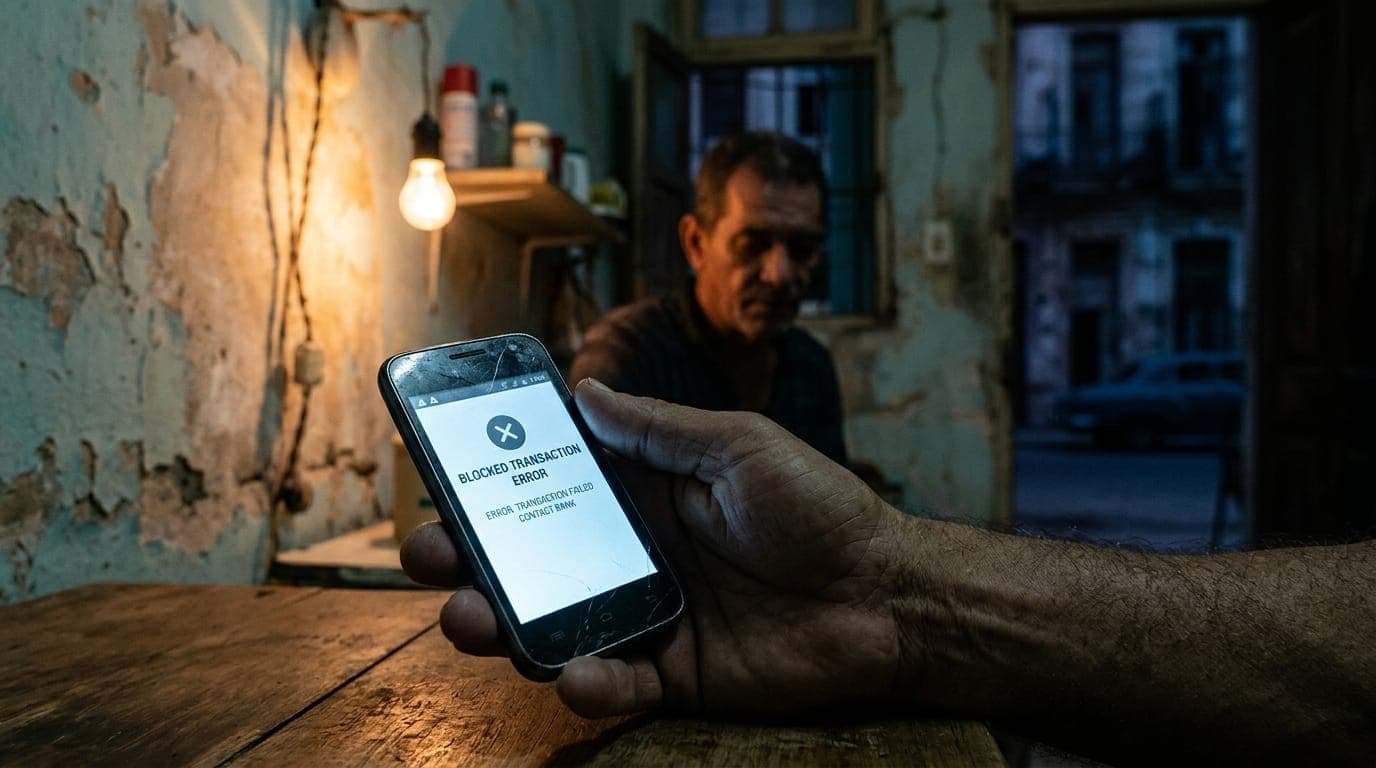
A U.S.-incorporated crowdfunding platform rejected a Cuban Bitcoin community's fundraising project, making clear that "non-custodial" and "permissionless" are not the same thing.
Key takeaways
- Geyser, a non-custodial Bitcoin crowdfunding platform, rejected Cuba Bitcoin's fundraising initiative citing a "wallet sanction check failed," underscoring that U.S. incorporation subjects even non-custodial platforms to OFAC's comprehensive Cuba embargo.
- EO 14404, signed May 1, 2026, intensified Cuba sanctions pressure, with OFAC running nine designation rounds through late August; Geyser's rejection came one day after OFAC added six more Cuban entities to the SDN list.
- Cuba Bitcoin and Forte11 argue the project's wallet and infrastructure were registered outside Cuba, raising an unresolved question about whether Geyser applied legal compliance or commercial risk aversion.
Geyser, a Bitcoin crowdfunding platform incorporated in the United States, rejected a project submitted by Cuba Bitcoin, a community building Bitcoin infrastructure for Cubans, citing a "wallet sanction check failed." The rejection is a live demonstration that non-custodial architecture does not make a platform permissionless when a U.S. company controls the front door.
Cuba Bitcoin posted on X announcing the rejection and calling for "a new crowdfunding platform that reflects Bitcoin values," writing: "If we're serious about building infrastructure for Bitcoin communities, it must be permissionless, censorship-resistant and resilient."
What Happened and What the Law Requires
Geyser does not hold bitcoin in custody. Donors and recipients control their own funds. That architecture, however, did not insulate the platform from OFAC's reach. Geyser's published country policy lists Cuba, Syria, North Korea, Iran, Russia, and East Ukraine as sanctioned countries where the service is unavailable.
Under OFAC's Cuba sanctions program, the comprehensive embargo applies to U.S. persons and U.S.-incorporated entities regardless of whether they hold funds. Providing a service, including a crowdfunding matching or listing function, to Cuban residents generally requires a specific OFAC license. The asset being bearer does not change the jurisdiction of the intermediary.
Geyser CEO and co-founder Michele Morucci acknowledged the tension, telling Bitcoin.com News the company was "founded on the Bitcoin ethos and the principle of bringing access to capital worldwide" but could not escape regulatory compliance.
The political context is max-pressure, not détente. Executive Order 14404, signed May 1, 2026, created a new designation tranche targeting Cuban government officials and entities. OFAC ran nine separate rounds of Cuban designations between May and late August 2026, beginning May 7 and running through August 20.
The day before Geyser's rejection, OFAC added Raúl Castro's grandson and five Cuban state entities to the SDN list. Any U.S.-incorporated Bitcoin company with Cuba-connected activity is operating in a tightening vise, not a loosening one.
The Unanswered Question
Forte11, described in reporting as part of the Bitcoin Cuba collective, pushed back directly. Posting on X, Forte11 argued that the wallet, infrastructure, and project were registered outside Cuba, not within Cuban jurisdiction. Forte11 wrote:
"If the real reason is that the project serves Cubans, just say so. Don't hide it behind a vague wallet-sanctions explanation. Bitcoin is supposed to make financial access more resilient, not reproduce every financial gatekeeper of the traditional system."
That claim matters. If the infrastructure genuinely had no Cuban nexus, Geyser may have applied a blunt geographic filter rather than a precise OFAC analysis. That is the difference between legal compliance and commercial risk aversion dressed up as compliance.
Geyser has not publicly addressed Forte11's argument. Until it does, the question is open.
This is also the failure mode that gets glossed over when "non-custodial" gets praised as though structure alone confers sovereignty. It does not. The moment a platform's listing, matching, or screening function sits inside a U.S.-incorporated entity, OFAC's embargo logic applies regardless of where the sats live. Prior enforcement actions against crypto intermediaries have shown the same dynamic: the asset's bearer properties are irrelevant to the jurisdictional reach of the intermediary handling the transaction layer.
The Protocol-Layer Exit
The Forte11 rebuttal points toward the only genuinely permissionless path: tools with no U.S. company in the loop. On-chain Bitcoin, Lightning payments, and ecash mints (Cashu) operate at the protocol layer with no required U.S. intermediary. They carry no wallet sanction check, no restricted-countries list, and no compliance policy that can override founding principles.
Forte11 has spoken publicly about offline Lightning and Cashu solutions built specifically for Cuba's constrained internet environment. Those tools bypass Geyser's screening logic entirely, because there is no Geyser in the stack.
The thesis here is falsifiable. If Geyser or a comparable U.S.-incorporated platform obtains a specific OFAC license permitting transactions with Cuban residents, maintains operations without enforcement action, and Cuban Bitcoiners raise and receive funds freely through it, then regulatory accommodation within the existing framework is viable. Until that license exists and holds under pressure, the structure of the problem does not change.
What to Watch
Geyser has not responded to Forte11's claim that the infrastructure was registered outside Cuba. That response, or the absence of it, will clarify whether this was legal necessity or an overly broad filter. Meanwhile, the pace of OFAC's Cuba designation rounds in 2026 suggests the compliance environment will get harder before it gets easier for any U.S. company operating near the island.
Sources
- Cuba Bitcoin, posting on X
- Forte11, posting on X
- OFAC Cuba Sanctions program
- U.S. State Department Cuba Sanctions
Frequently Asked Questions
Does OFAC's Cuba embargo apply to non-custodial Bitcoin platforms?
Yes. OFAC's comprehensive Cuba embargo applies to U.S. persons and U.S.-incorporated entities regardless of whether they hold funds. Providing a service, including crowdfunding infrastructure, to Cuban residents generally requires a specific OFAC license. Non-custodial architecture does not create a carve-out.
Can Cubans use Bitcoin without a platform like Geyser?
Yes. On-chain Bitcoin, Lightning payments, and ecash mints (Cashu) operate at the protocol layer with no required U.S. intermediary. Forte11 has discussed offline Lightning and Cashu solutions built for Cuba's constrained internet environment. Those tools are not subject to platform-level wallet screening.
What is Executive Order 14404 and why does it matter here?
EO 14404, signed May 1, 2026, created a new OFAC sanctions designation program targeting Cuban government officials and entities responsible for repression. It significantly accelerated the pace of Cuban designations in 2026, tightening the compliance environment for any U.S. company with Cuba-connected activity.