Iole Inc. Sells Entire 151 BTC at a Loss to Fund AI Data Centers
Tokyo Stock Exchange-listed Iole Inc. resolved on October 30 to sell all 151.21 BTC, worth roughly $11.7M, before end of November, booking an expected ¥254 million loss and routing proceeds into AI data centers and cloud computing infrastructure.
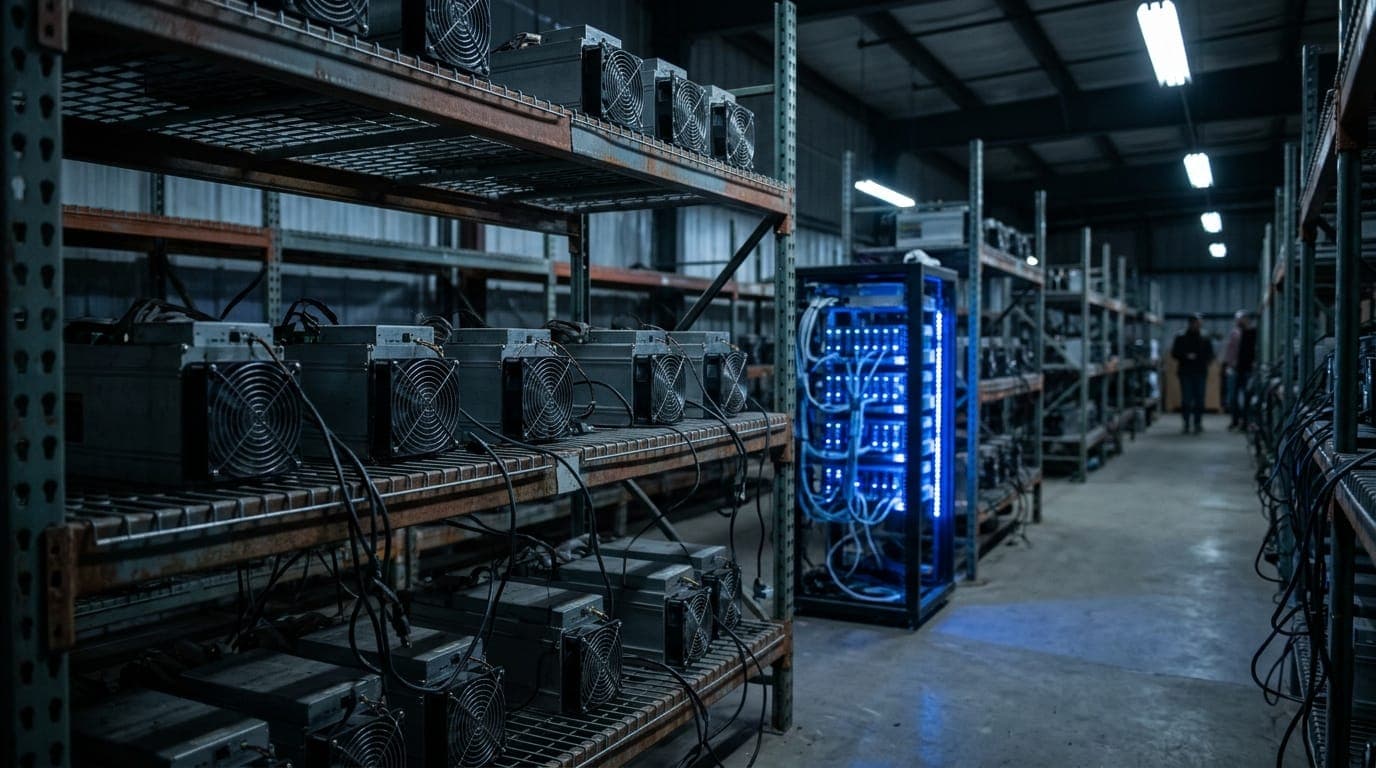
A Japanese listed company takes a seven-figure hit on its Bitcoin position to chase AI compute infrastructure, while keeping its altcoin bag.
Key takeaways
- Iole Inc., listed on the Tokyo Stock Exchange's Growth Market, resolved on October 30 to sell its entire 151.21 BTC holding (worth approximately $11.7M) by end of November, booking an expected ¥254 million (~$1.6M) realized loss.
- Proceeds are earmarked for AI data centers, AI computing services, and the company's "Neo Cloud" business, not general operations, reflecting a deliberate rotation out of Bitcoin into active infrastructure spend.
- Iole is keeping its Hyperliquid (HYPE) position while exiting Bitcoin entirely, confirming this is a Bitcoin-specific exit by a non-conviction holder, not a broad retreat from digital assets.
Iole Inc. (TSE Growth Market: 2334), resolved at its October 30 board meeting to liquidate its entire 151.21 BTC treasury position, per the company's timely disclosure filed via TSE TDnet. The expected proceeds of ¥1.831 billion ($11.7M) will be routed into AI data center build-out and cloud computing services, with the company absorbing an expected ¥254 million ($1.6M) loss against a book value of approximately ¥2.085 billion as of September 30.
The sale window runs from October 30 through the end of November 2026. BTC was trading at approximately $77,000 at the time of the board resolution.
What the Board Actually Decided
Iole's board didn't just vote to sell Bitcoin. It simultaneously amended its warrant plan, reallocating capital toward AI data center build-out and away from digital asset purchases. That's a formal, structured pivot written into the company's capital plan, not a one-off fire sale.
The company will retain its Hyperliquid (HYPE) holdings, accumulated starting July 2026. Bitcoin goes. HYPE stays. That distinction matters enormously for reading what this actually is.
The story was first reported in Japanese by Coinpost on October 31, 2026.
The Real Signal Here
The price impact of 151 BTC hitting the open market is noise. The signal is the revealed preference under pressure.
Iole didn't sell because Bitcoin is broken. It sold because the perceived return on AI capex is high enough, right now, that the board will absorb a seven-figure realized loss rather than wait for a Bitcoin recovery. That's the AI-versus-Bitcoin capital competition made concrete in a single board resolution.
The thesis here: Iole's willingness to eat ¥254 million in losses to rotate into AI data centers reflects a broader dynamic among smaller, non-native corporate Bitcoin holders in Japan. For these companies, Bitcoin's opportunity cost relative to AI compute capital has become the deciding variable, not Bitcoin's price direction.
The trigger that disproves it: if Iole's "Neo Cloud" AI business fails to generate meaningful revenue within 12 to 18 months, or if the company re-accumulates Bitcoin after the infrastructure build, this is a distressed balance-sheet decision dressed in AI narrative, not a structural reallocation signal. One company taking a loss during a drawdown is thin evidence on its own. The thesis only firms up if the pattern repeats across other marginal TSE-listed corporate holders.
The telling detail is what Iole kept. Retaining HYPE while dumping Bitcoin confirms the cohort: this is a speculative accumulator pivoting to the next speculative trade, not a sound-money conviction holder getting out. Those two cohorts behaving differently is exactly what the market should price in over time, and exactly what long-term Bitcoiners should want to see happen.
Japan's corporate Bitcoin accumulation trend was never monolithic. There are the Metaplanet-style operators, high-conviction and leveraged, running the MicroStrategy playbook deliberately. Then there are the Ioles, opportunistic balance-sheet diversifiers who accumulated Bitcoin adjacent to other "digital asset" bets and who fold on the first sustained drawdown.
What to Watch
A single TSE-listed company liquidating a modest Bitcoin position means little in isolation. If similar smaller Japanese corporate holders begin rotating Bitcoin into AI infrastructure over the next two quarters, the signal becomes structural.
Watch the warrant plan amendments, not just the sale disclosures. Those are where the capital allocation intentions are written down.
Sources
- Iole Inc. (TSE Growth Market: 2334), board resolution disclosed via TSE TDnet, October 30, 2026
- Coinpost, first reported in Japanese, October 31, 2026
Frequently Asked Questions
Why is Iole selling Bitcoin at a loss instead of waiting for a price recovery?
The board's disclosed rationale is that proceeds are needed to fund AI data center and cloud computing infrastructure. The warrant plan amendment simultaneously raising the AI data center allocation suggests the capital deployment timeline is driving the decision, not a negative view on Bitcoin's long-term price. The company needs capital for a build-out it has already committed to, and Bitcoin is the liquid asset on the balance sheet.
What is Iole's "Neo Cloud" business?
Iole's board resolution disclosure describes "Neo Cloud" as a business segment receiving proceeds from the BTC sale alongside AI data centers and AI computing power services. The precise scope of the business, its current revenues, and its customer base are not detailed in the board resolution summary. Investors tracking this rotation should pull Iole's full IR filings on TSE TDnet for the operating specifics before treating "Neo Cloud" as a defined, revenue-generating entity.
Does this signal a broader reversal of Japan's corporate Bitcoin accumulation trend?
Not on its own. Iole is a single, non-conviction holder making a loss-driven exit to fund a pre-committed capital program. High-conviction Japanese accumulators operating explicit Bitcoin treasury strategies remain in a structurally different position. The divergence between those two cohorts, conviction holders staying long and opportunistic holders rotating out, is the pattern to track over the next two to three quarters, not a single board vote.