
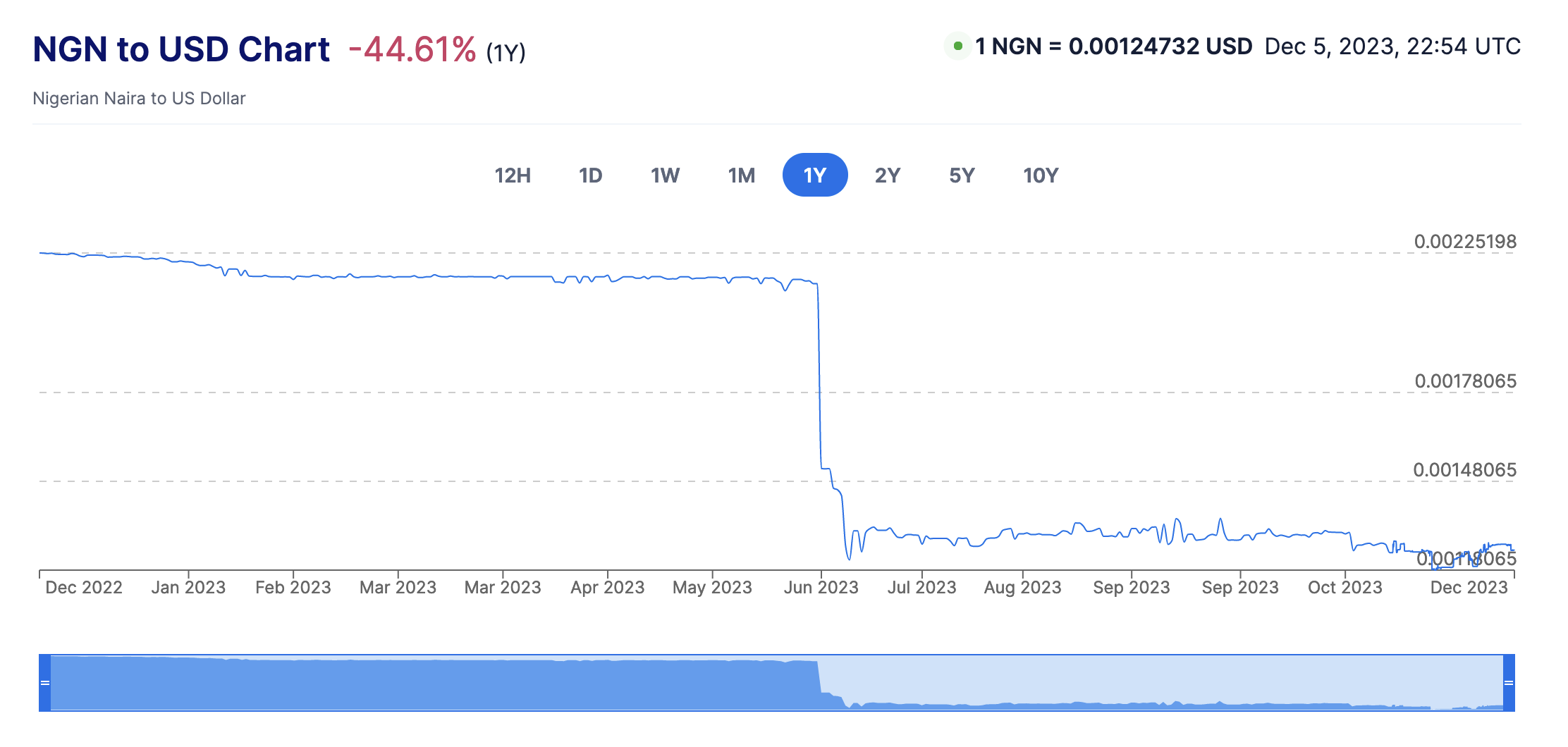
In the heart of Africa's economic landscape, Nigeria faces a daunting challenge: the relentless plunge of its currency, the naira. Amidst this turmoil, a glimmer of hope emerges in the form of bitcoin, a digital currency that could potentially steer Nigeria towards more stable economic conditions. This article delves into understanding the naira crisis, unearthing the role of bitcoin in the global economy, and exploring how it could be the key to stabilizing Nigeria's economic woes.
Understanding the Naira Crisis
The devaluation of the naira has sent shockwaves through Nigeria, with implications echoing in both official and parallel markets. This situation calls for a critical examination of the interplay between economic policies, central control of the currency, market dynamics, and global trends. The pivot towards market-driven exchange rates, as indicated by Governor Olayemi Cardoso of the Central Bank of Nigeria, underscores the urgency for harmonized market operations and transparent financial practices.
The Role of Bitcoin in Global Economy
Bitcoin, the decentralized free market money of the digital age, offers a way to facilitate money transfer and wealth preservation, free from the constraints of traditional banking systems. This characteristic is particularly relevant for countries like Nigeria, where maintaining currency stability is a pressing concern as the central government and central bank run the naira into the ground.
Bitcoin in Nigeria: An Emerging Trend
Amidst economic uncertainties, Nigeria has witnessed a surge in bitcoin adoption. Most notably in the wake of the SARS movement years ago, which led to protestors having their bank accounts frozen. Nigerian citizens turned to bitcoin out of necessity to receive and send bitcoin. This trend indicates a shift towards alternative financial solutions, promising both stability and efficiency.
How Bitcoin Could Address the Naira Crisis
Bitcoin's potential in stabilizing currency values lies in its nature as an alternative medium of exchange, less prone to local economic shifts. Its decentralized nature could also curtail Nigeria's reliance on conventional banking and international currencies, the dollar most notably.
Bitcoin's Potential in Enhancing Transparency
Since bitcoin is an open-source and distributed system, it is extremely transparent. This enhances the ability of anyone around the world, including Nigerian citizens, to verify that their money isn't being manipulated and devalued.
Diversifying the Economy Through Bitcoin
Embracing bitcoin could spur technological innovation and entrepreneurship in the cryptocurrency domain, thereby diversifying Nigeria's economy beyond its traditional reliance on sectors like oil.
Strengthening Financial Policies with Bitcoin
Incorporating bitcoin into Nigeria's financial strategies could set the country up for success in an ever evolving and increasingly volatile global financial landscape, promising long-term benefits and stability. Those who adopt bitcoin the earliest will benefit the most.
Global Perspectives on Bitcoin and Economic Stability
Observing strategies employed by sovereign nations like El Salvador with respect to bitcoin provides valuable insights for Nigeria. Learning from these examples can guide Nigeria's approach to bitcoin integration.
Future of Bitcoin in Nigeria
The trajectory of bitcoin in Nigeria points to growth and wider adoption. However, this hinges on informed policies and a nuanced understanding of the digital currency arena.
Conclusion
Bitcoin emerges as a viable solution to the naira crisis, with the potential to stabilize currency, enhance transparency, and diversify the economy. As Nigeria works through these economic challenges, bitcoin's adoption could be a critical factor in its journey towards economic stability and growth in the long term.
 Marty Bent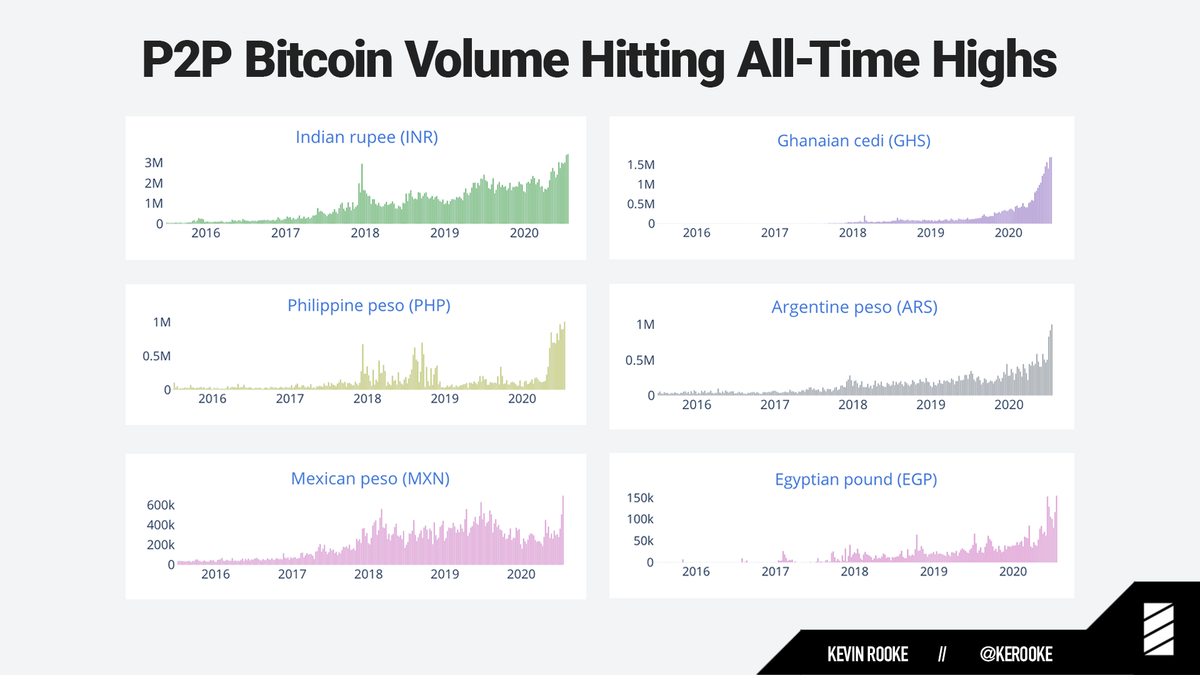
FAQs
How can Bitcoin stabilize the Naira?
Bitcoin, with its decentralized nature, provides an alternative and stable medium of exchange that could mitigate the volatility of the naira.
What are the risks of adopting Bitcoin in Nigeria?
The adoption of bitcoin comes with risks like regulatory hurdles, market volatility, and the need for technological infrastructure.
How does blockchain technology enhance transparency?
Blockchain technology offers a secure and transparent ledger system, enhancing the integrity of financial transactions.
Can bitcoin truly diversify Nigeria's economy?
Bitcoin has the potential to introduce new technological and entrepreneurial avenues, diversifying Nigeria's economy beyond traditional sectors.
What are the global trends in bitcoin adoption and their relevance to Nigeria?
Global trends show varying degrees of bitcoin adoption, offering Nigeria valuable lessons in integrating digital currencies into its economy.