DOE Selects Amentum for 1 GW AI Data Center With 2 GW Dedicated Power at Savannah River
The DOE's NNSA selected Amentum on July 20 to negotiate a lease for a 1 GW AI data center at Savannah River Site, South Carolina, backed by approximately 2 GW of dedicated on-site power starting with natural gas and transitioning to advanced nuclear.
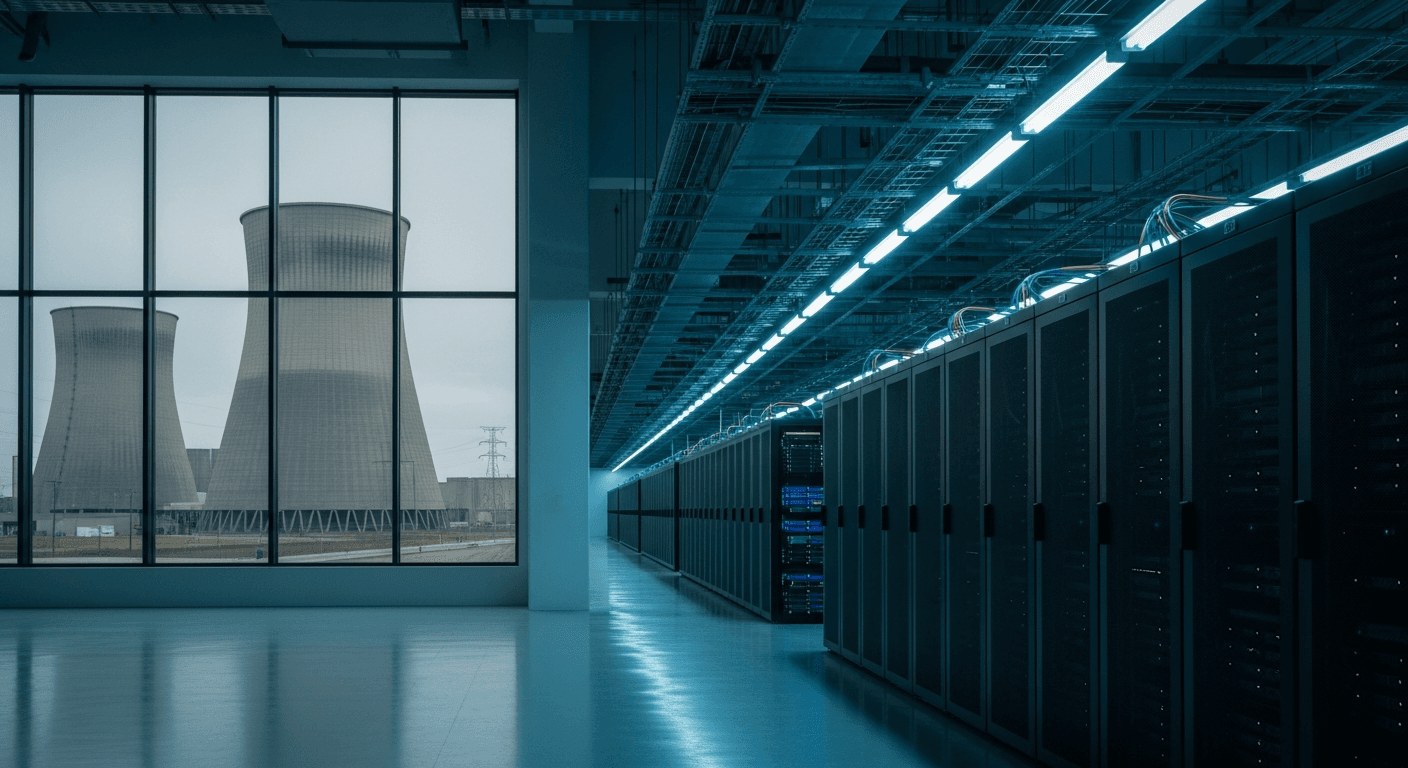
The energy bottleneck for AI is now structural, off-grid, and backed by the federal government.
Key takeaways
- The DOE's NNSA selected Amentum (NYSE: AMTM) on July 20, 2026 to enter lease negotiations for a 1 GW AI data center at the Savannah River Site in Aiken County, South Carolina, backed by approximately 2 GW of dedicated on-site power generation.
- Power starts with natural gas and bridges to advanced nuclear, with an explicit ratepayer-protection pledge keeping the project off-grid and away from existing utility customers.
- The 2-GW-for-1-GW provisioning ratio signals that AI developers don't trust the grid as a backstop, locking up new nuclear baseload and sharpening the economic case for Bitcoin mining's dispatchable, curtailable model.
The DOE's National Nuclear Security Administration selected Amentum on July 20, 2026 to negotiate a phased lease for what Amentum describes as one of the nation's largest integrated AI and energy infrastructure projects. DC Blox is named as the infrastructure partner on the consortium. This is a selection for negotiations, not a final lease award; permitting and contract finalization still lie ahead.
What the Project Actually Entails
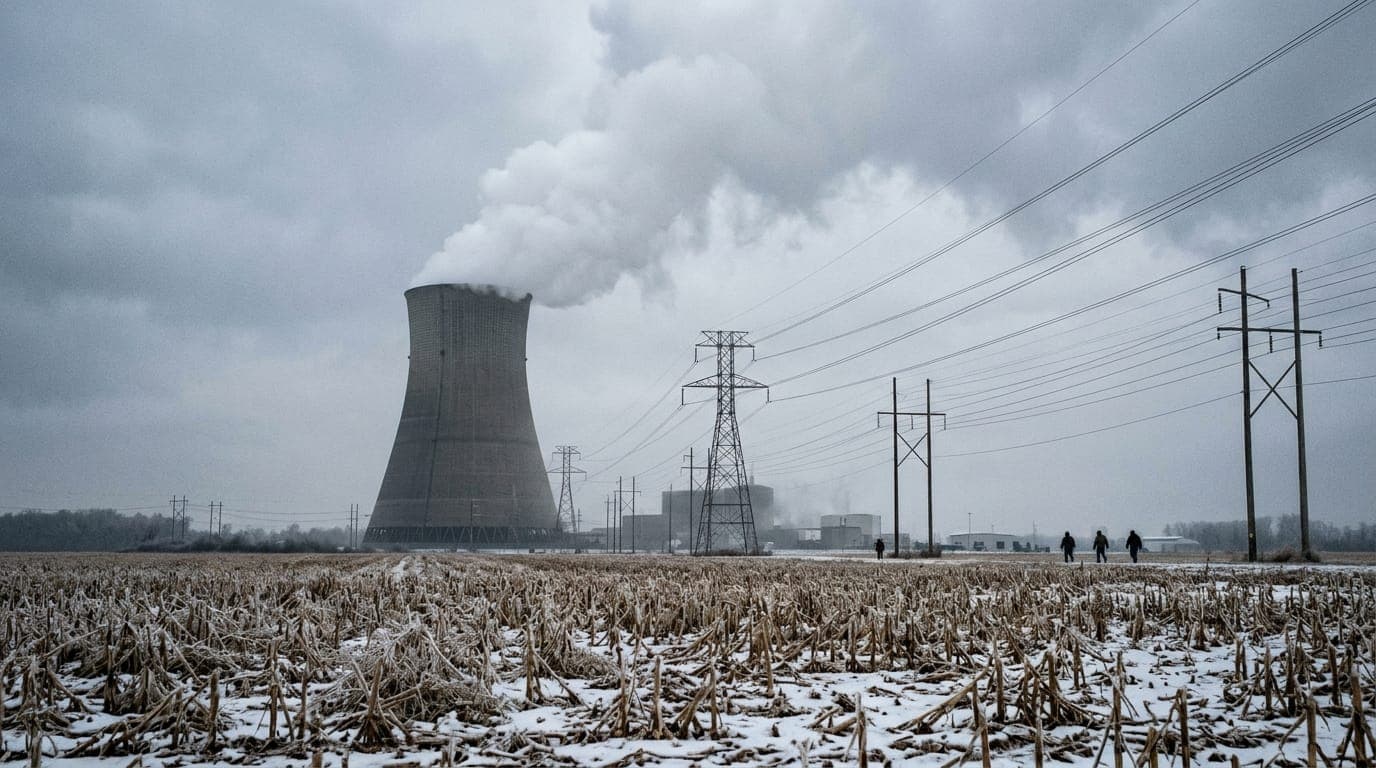
The Amentum press release confirmed the core numbers: 1 GW of AI data center capacity at the Savannah River Site, supported by approximately 2 GW of dedicated on-site generation. Power comes from natural gas first, with a planned transition to advanced nuclear. The DOE release explicitly includes a ratepayer-protection pledge, meaning the project is designed to run behind the meter and not burden existing utility customers.
Savannah River Site is a former nuclear weapons production facility in South Carolina. Amentum is already a primary contractor there, operating the Defense Waste Processing Facility as part of Savannah River Mission Completion (amentum.com). The project ties directly to three executive orders covering federal permitting acceleration for data center infrastructure, advanced nuclear deployment, and domestic energy production.
The site wasn't chosen at random. The DOE identified 16 federal sites across the country for AI data center development in April 2025, then narrowed the field to four competitive RFP candidates: Savannah River, Idaho National Laboratory, Oak Ridge, and Paducah. Amentum won the Savannah River slot.
Amentum CEO John Heller put it plainly: "Artificial intelligence, energy resilience, and national security are becoming increasingly interconnected, creating new opportunities to strengthen America's strategic advantage."
The 2-for-1 Ratio Is the Real Story
The 2 GW generation figure for a 1 GW compute load is a declaration that the grid cannot be trusted to backstop this project. The developers provisioned twice the generation capacity they expect to consume. That redundancy ratio is the same bet Bitcoin miners with behind-the-meter generation have been making for years, except here it's federally sanctioned and nuclear-backed.
The difference is capital lock-in. AI data centers are static facilities. Once the lease is signed and the concrete is poured, those electrons are spoken for.
The same playbook is visible across major AI infrastructure deals: lock up firm power in multi-gigawatt tranches before a competitor does. Federal AI infrastructure takes that further, adding NNSA blessing and presidential EO cover. Energy Secretary Chris Wright described the broader initiative as "the next Manhattan Project" at the DOE four-site selection announcement.
The nuclear construction queue is finite. Every gigawatt of advanced nuclear pre-committed to a federal AI campus is a gigawatt that cannot go to the open market. That crowd-out accelerates with each project like this one.
What This Means for Bitcoin Miners
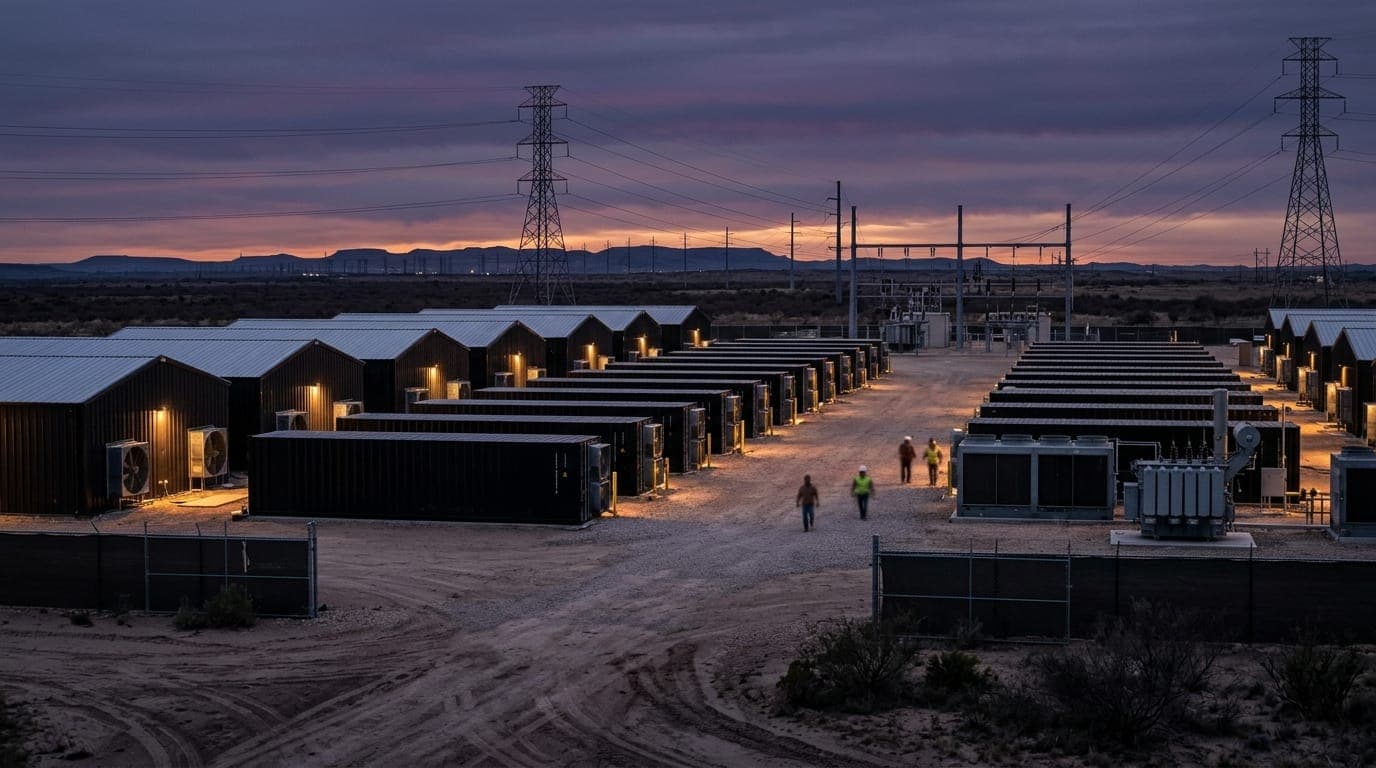
The crowding-out pressure sounds like bad news for miners. It isn't, or at least not straightforwardly. AI data centers are consuming the firm, expensive, politically protected power. That leaves miners competing for what those projects structurally cannot use: stranded gas, curtailed wind and solar, and the excess capacity that firm-load-only buyers discard.
More importantly, AI data centers cannot curtail. They are static, politically protected, and contractually obligated to stay online. Bitcoin miners are the only major industrial load that voluntarily goes dark when the grid needs the electrons back. That makes mining the most valuable flexible-demand asset on the system, the arbitrage valve that a federally backed AI campus, by design, can never be.
The falsifiable version of this thesis: if AI data centers begin pulling primarily from the existing grid at spot rates, accepting curtailment and grid variability rather than demanding firm dedicated baseload, the crowding-out pressure eases and Bitcoin's marginal-energy arbitrage advantage narrows. Alternatively, if advanced nuclear supply scales faster than AI demand, the scarcity dynamic dissipates. Neither condition is visible in the current capital allocation pattern, where every major AI operator is racing to replicate exactly the behind-the-meter model this NNSA project represents.
Permitting opposition is one constraint on broader data center buildout. The permitting moat around federal sites like Savannah River is the workaround. Permissionless networks and permissioned federal AI stacks are now in direct resource competition, and the latter has regulatory cover and an army.
What to Watch
Lease negotiations at Savannah River are the immediate gate. The selection for negotiations is not a signed deal, and permitting requirements remain. The specific advanced nuclear technology has not been named publicly. Watch for which reactor vendors enter the picture, since that will signal how quickly the gas-to-nuclear bridge actually closes, and whether the timeline holds anywhere near the DOE's original end-of-2027 operational target for its AI infrastructure program.
Sources
Frequently Asked Questions
What is the Savannah River Site and why was it selected?
The Savannah River Site is a DOE-owned facility in Aiken County, South Carolina, originally built for nuclear weapons production during the Cold War. It has existing DOE infrastructure, transmission assets, and access to federal fast-track permitting, which made it one of four finalists from an original pool of 16 federal sites evaluated for AI data center development.
Does this mean Bitcoin miners will lose access to nuclear power?
Bitcoin miners were never meaningfully drawing on NNSA-site nuclear. The broader signal is that new advanced nuclear capacity being built over the next decade will be pre-committed to AI infrastructure first, tightening the marginal firm power available to miners unless they secure their own behind-the-meter agreements. Miners competing on dispatchable, curtailable load remain better positioned than any firm-load buyer trying to enter the same queue.
What is behind-the-meter power generation and why does it matter here?
Behind-the-meter generation means the power plant is built on-site, connected directly to the load, and does not route power through the public utility grid. The consumer pays for generation directly rather than at retail utility rates, avoids transmission charges, and is insulated from grid volatility. The Savannah River project's ratepayer-protection pledge is the explicit acknowledgment of this model: the data center and its power supply are designed as a self-contained system, not a grid customer.