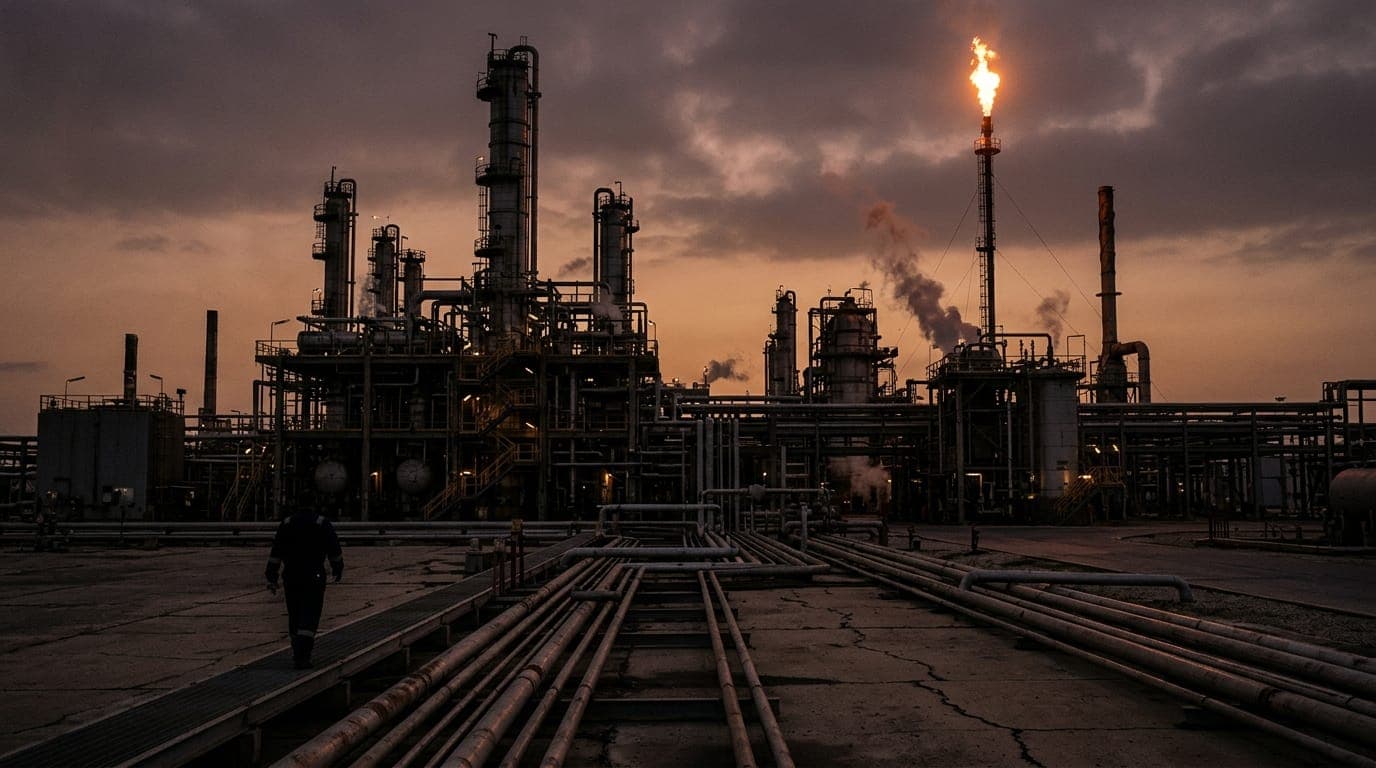
Morgan Stanley: U.S. Data Centers Face 32 GW Power Shortfall Through 2028
Morgan Stanley revised U.S. data center power demand up 43% to 97 GW through 2028, leaving a 32 GW net shortfall even after accounting for behind-the-meter generation. The bottleneck has moved from chips to electrons.
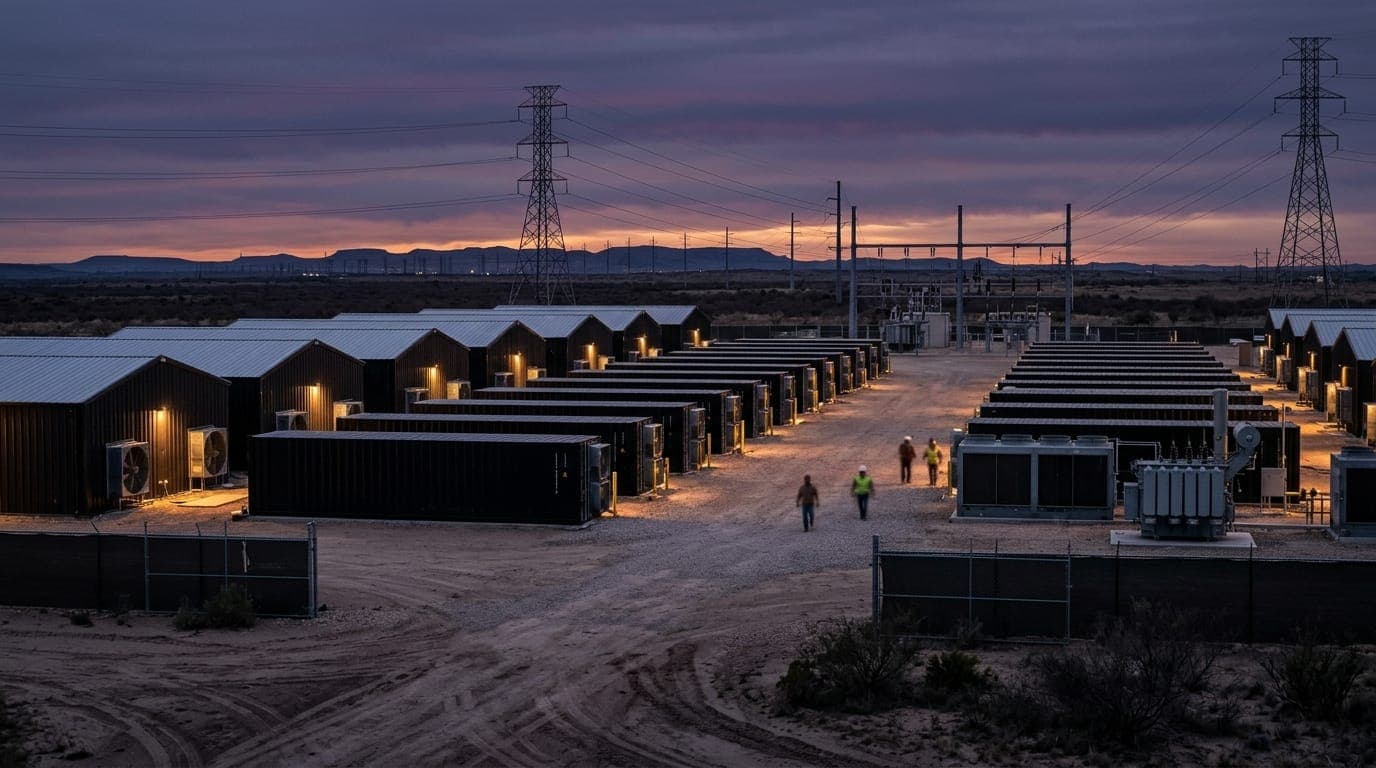
Morgan Stanley revised U.S. data center power demand up 43% in a single modeling cycle. The physical grid cannot keep pace.
Key takeaways
- Morgan Stanley's "Powering AI: Racking Up the Power Shortfall" (September 21, 2026) now models 97 GW of U.S. data center power demand through 2028, up from a prior estimate of 68 GW, leaving a 34% net shortfall of roughly 32 GW even after accounting for behind-the-meter generation and fuel cells.
- Nvidia's own supply chain currently meets approximately 70% of customer demand, per CFO Colette Kress's commentary during Q2 FY2027 earnings, confirming the bottleneck has migrated from chips to electrons.
- Bitcoin miners, already positioned at the grid edge with curtailment infrastructure and existing power purchase agreements, have structural optionality that AI hyperscalers cannot replicate on the timelines that matter.
The AI infrastructure buildout has run directly into a physical wall. Morgan Stanley's September 21, 2026 research note, "Powering AI: Racking Up the Power Shortfall," puts the U.S. data center power shortfall at 32 GW net through 2028, a gap that persists even after the firm factors in behind-the-meter generation and fuel cells. The underlying demand revision is the more alarming number: 97 GW total, up from a prior estimate of 68 GW, a 43% upward swing in a single modeling cycle.
That kind of revision does not reflect normal forecasting error. It reflects a buildout that is accelerating faster than the grid can be upgraded, permitted, or interconnected. First reported by Reuters, Morgan Stanley's analysis also notes that Nvidia and Broadcom are relatively insulated at the chip level. The downstream pain lands on memory, optical components, power-management chips, and analog semiconductors.
The Math Behind the Shortfall
Morgan Stanley's demand model breaks down as follows: of the 97 GW in projected demand, approximately 21 GW is currently under construction and roughly 19 GW of spare grid capacity exists. That leaves a raw gap of around 57 GW before non-grid alternatives enter the picture. The 32 GW net shortfall is what remains after those alternatives are credited.
Nvidia's own numbers align with the supply-side picture. CFO Colette Kress, on the company's Q2 FY2027 earnings call, stated: "we have supply for 70% ... our demand is much higher than that." Verify current figures at Nvidia's investor relations page. The chip shortage narrative that dominated 2023 and 2024 has been replaced by a power shortage narrative, and resolving it will take years.
In a separate October 15, 2026 research report, Morgan Stanley projects $1.58 trillion in AI infrastructure spending in 2027. That capital is real. The electrons it requires will not be available until interconnection queues, transformer procurement backlogs, and permitting timelines are worked through.
This is not a story about speculative demand curves. The shortfall is confirmed by the supply side: interconnection queues, transformer procurement backlogs, and permitting timelines that do not compress under financial pressure. Nvidia's own FY2026 10-K filing acknowledges supply constraints directly.
Where Bitcoin Miners Actually Fit
The equity market frames this as a chip story. The power market tells a different one, and that is where it matters for anyone thinking about the energy economy long-term.
Bitcoin miners are already at the grid edge. They have executed power purchase agreements, built substation relationships, and deployed curtailment infrastructure that allows them to shed load on fifteen-minute notice. A 100 MW miner that can curtail on demand is worth more to a grid operator than a hyperscaler locked into 24/7 baseload obligations.
That is not a theoretical advantage. Grid operators and independent power producers who need a dispatchable buyer of first resort while a data center's interconnect clears will pay for that flexibility.
The competition for the same electrons is intensifying. Every gigawatt of AI load sitting in an interconnection queue competes against existing industrial loads. Miners that have built durable, low-cost power contracts and curtailment infrastructure now hold real optionality: mine Bitcoin, sell curtailment value, or negotiate co-location with a hyperscaler desperate for permitted capacity.
AI hyperscalers with no site flexibility have none of those choices. The cash-flow rigidity of AI capex at this scale makes that inflexibility increasingly expensive.
This dynamic is also showing up in hashrate data. Miners have not abandoned their grid positions despite the AI pivot narrative, precisely because those positions are becoming more valuable, not less.
The falsifiable version of this thesis: if FERC interconnection queue reforms from Order 2023 accelerate approvals such that 20 or more GW of new data center power comes online by end-2027 ahead of schedule, the scarcity premium on flexible power buyers compresses. Watch FERC interconnect queue approvals and PJM/ERCOT timelines. If those clear faster than projected, the miner-as-grid-wedge argument weakens. Until they do, the 32 GW gap is structural, not cyclical.
What Comes Next
Morgan Stanley's demand model will likely be revised again. The direction of revision has been consistent: upward. The more consequential variable is whether FERC data center interconnect reforms shift materially before 2027 capacity commitments come due. If they do not, the operators who hold flexible, curtailable power positions at existing grid interconnects will be the ones AI hyperscalers are calling.
Sources
- Morgan Stanley, "Powering AI: Racking Up the Power Shortfall," September 21, 2026 (paywalled institutional research; first reported by Reuters, October 5, 2026, via US News & World Report)
- Nvidia FY2026 10-K filing, SEC EDGAR, filed January 25, 2026
- Nvidia Q2 FY2027 earnings, investor relations
Frequently Asked Questions
Why can't AI companies just build their own power plants to close the data center energy gap?
Behind-the-meter generation helps at the margin, and Morgan Stanley already credits it in the 32 GW net shortfall figure. But self-generation cannot close a multi-decade infrastructure gap in two years. Transformer procurement backlogs, interconnection queue timelines, and permitting processes do not compress because a hyperscaler writes a large check. The physical constraint is real and the timeline runs through at least 2028.
Does the AI data center power crunch hurt Bitcoin miners or help them?
Both pressures exist, but miners with durable low-cost PPAs and curtailment infrastructure are structurally advantaged. The same grid scarcity that makes new AI data center interconnects expensive makes existing, flexible power positions more valuable. Miners can curtail, co-locate, or continue mining. A hyperscaler without a permitted site has no equivalent flexibility.
What does the Morgan Stanley "Powering AI" report actually find?
The September 21, 2026 research note models 97 GW of total U.S. data center power demand through 2028, up from a prior estimate of 68 GW. After crediting behind-the-meter generation, fuel cells, and approximately 19 GW of spare grid capacity against 21 GW under construction, the firm arrives at a 32 GW net shortfall, roughly 34% of projected demand. The report is a paywalled institutional research document; Reuters first reported its key findings on October 5, 2026.