Super Micro Contractor Pleads Guilty in $2.5B China AI Server Scheme
Ting-Wei 'Willy' Sun pleaded guilty October 9 to conspiring to violate U.S. export controls, smuggling, defrauding the U.S. government, and obstructing justice in a $2.5 billion scheme that routed Nvidia-powered AI servers to China.
A single insider network just routed billions in restricted American AI hardware to China. The compliance apparatus never caught it.
Key takeaways
- Ting-Wei "Willy" Sun pleaded guilty Thursday in Manhattan federal court to four federal charges including conspiring to violate U.S. export controls and obstructing justice, admitting his role in a scheme that sent approximately $2.5 billion in Nvidia-powered AI servers to China.
- In one three-week window from late April to mid-May 2025, prosecutors allege more than $510 million in export-controlled servers were diverted through a Southeast Asian pass-through entity using fake end-user paperwork and unmarked boxes.
- Super Micro co-founder Yih-Shyan "Wally" Liaw and Taiwan sales manager Ruei-Tsang "Steven" Chang were indicted alongside Sun in March 2026 but have not resolved their charges. Super Micro itself is not a named defendant.
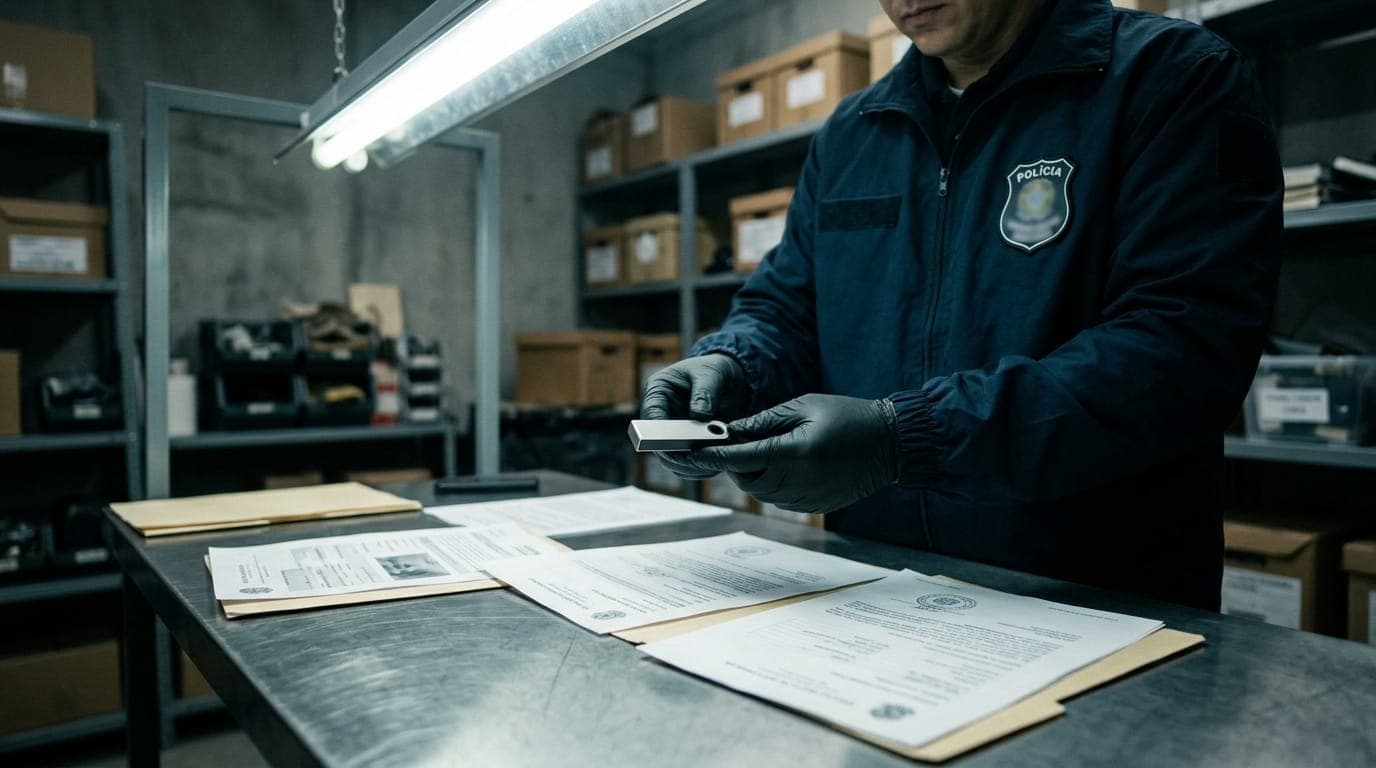
Ting-Wei "Willy" Sun, a former contractor for San Jose-based AI server manufacturer Super Micro Computer (NASDAQ: SMCI), pleaded guilty Thursday in U.S. District Court in Manhattan to four charges: conspiring to violate U.S. export controls, smuggling, defrauding the U.S. government, and obstructing justice, first reported by Reuters. The underlying scheme allegedly moved approximately $2.5 billion in servers equipped with restricted Nvidia GPUs, including H100, H200, and B200 models, to customers in China without the required U.S. Department of Commerce export licenses.
The DOJ indictment, unsealed March 19, 2026 by the U.S. Attorney's Office for the Southern District of New York, charged Sun alongside Super Micro co-founder and Senior Vice President of Business Development Yih-Shyan "Wally" Liaw and Taiwan sales manager Ruei-Tsang "Steven" Chang, before U.S. District Judge Edgardo Ramos. Sun's plea is the first guilty plea from the three defendants. Super Micro placed the two charged employees on administrative leave, terminated Sun's contract, and stated it is cooperating with the government. The company's SEC-filed statement called the alleged conduct "a contravention of the Company's policies and compliance controls."
How $510 Million Moved in Three Weeks
The mechanics of the scheme are worth sitting with. Defendants allegedly used a Southeast Asian entity as a pass-through, repackaged servers in unmarked boxes, generated false end-user documentation, and in December 2025 staged dummy servers to deceive a Commerce Department inspector. The alleged scheme began in or around 2024 and ran through 2025.
The $510 million window (late April to mid-May 2025 alone) is the number that strips away any "isolated incident" framing. That pace implies organized logistics, reliable demand on the Chinese end, and a supply chain fully corrupted at the point of sale.
Super Micro's independent internal investigation, completed in August 2026, found no evidence that current senior management had knowledge of the alleged diversion scheme and no evidence the company directly sold export-controlled products to known restricted parties. The company was not charged. Whether those findings hold up as Liaw's and Chang's cases proceed is a different question.
The Centralization Is the Vulnerability
The AI capex buildout running across Nvidia Blackwell clusters and hyperscaler data centers is predicated on a licensing-and-compliance stack that Sun just demonstrated can be defeated with fake paperwork, shell entities, and unmarked cardboard. It is a human-trust exploit inside a centralized chokepoint.
A licensed, government-regulated supply chain with a handful of trusted actors is only as strong as the least-corrupt insider. The export-control regime restricts Nvidia's highest-performance GPUs precisely because those chips are the substrate of the AI arms race. When the compliance layer lives in sales managers and broker-fixers rather than in the protocol itself, the adversary's attack surface is a phone call and a Southeast Asian LLC.
The AI capex story Wall Street is pricing assumes the compute is going where the license says it's going. Sun's plea puts a $2.5 billion asterisk on that assumption. The geopolitical chip competition everyone has been pricing into AI stocks since 2023 is partially built on a foundation that one insider network can compromise.
Bitcoin mining is the photographic negative of this failure. You cannot forge a license to mine a block. You cannot stage a dummy ASIC to fool a BIP validator.
The rules are enforced by math, not by a compliance officer who can be lied to or a broker who can be paid. Permissionless infrastructure does not have insiders to corrupt.
What to Watch
Sun's plea is the first resolution in a three-defendant case. Liaw's and Chang's charges remain pending and unproven.
How DOJ handles a named co-founder of a publicly traded AI server company will signal how hard the government intends to push into corporate supply chains. Separately, securities class actions against Super Micro are proceeding. The $510 million three-week velocity strongly suggests this was not the only active operation of its kind. There will be more cases.
Sources
- Super Micro press release, March 19, 2026
- Super Micro SEC 8-K filing, March 19, 2026
- First reported by Reuters (Karen Freifeld), October 9, 2026
Frequently Asked Questions
Is Super Micro Computer facing criminal charges?
No. Super Micro (SMCI) is not a named criminal defendant in the indictment. The company placed the two charged employees on administrative leave, terminated Sun's contract, launched an independent internal investigation, and has stated it is cooperating with DOJ. Multiple securities class actions are proceeding separately.
Which Nvidia chips were allegedly diverted?
The March 2026 indictment covers servers containing Nvidia H100, H200, and B200 GPUs. All three models require a U.S. Department of Commerce export license for sale to China on national security grounds. These are the same chips anchoring the current U.S. AI data center buildout.
What happens to the other two defendants?
Super Micro co-founder Yih-Shyan "Wally" Liaw was charged in the same March 2026 indictment and has pleaded not guilty, with a trial date set. Ruei-Tsang "Steven" Chang, the Taiwan sales manager also charged in the indictment, has not resolved his charges; at least one report indicates he fled to an undisclosed location in Asia ahead of prosecution. All allegations against both men remain unproven. Sun's plea is the first and only guilty plea from the case so far.