Pakistan's Bitcoin Reserve: Seized Assets, Stranded Energy, and a Legal Gray Zone
Pakistan announced a government-led Strategic Bitcoin Reserve seeded with seized assets and 2,000 MW of surplus electricity for mining. The Finance Secretary says no legal framework exists. Here's the playbook.
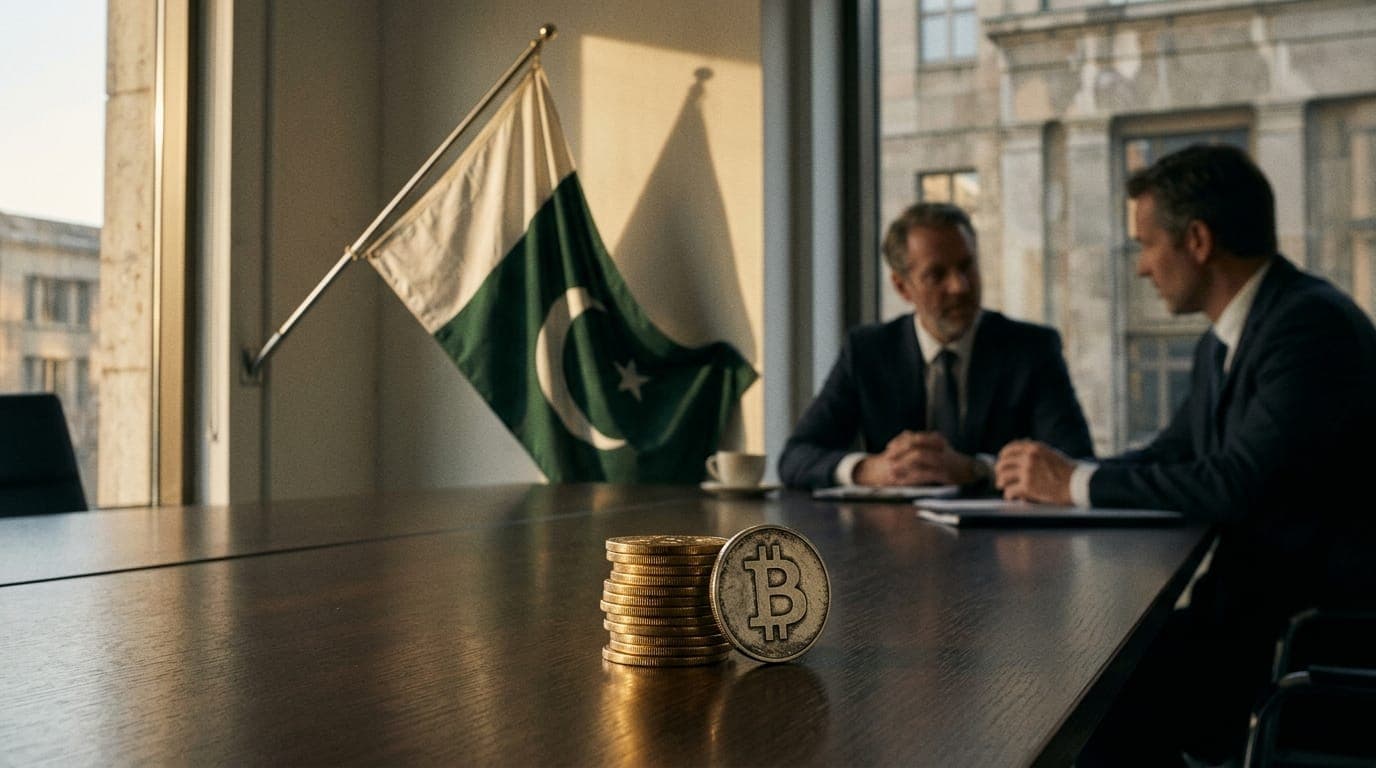
Pakistan is building a sovereign Bitcoin reserve on forfeited crypto and surplus power, but no legal framework exists yet to legitimize it.
Key takeaways
- Pakistan announced its first government-led Strategic Bitcoin Reserve at the Bitcoin 2025 conference in Las Vegas, seeding it with digital assets already in state custody and pledging never to sell.
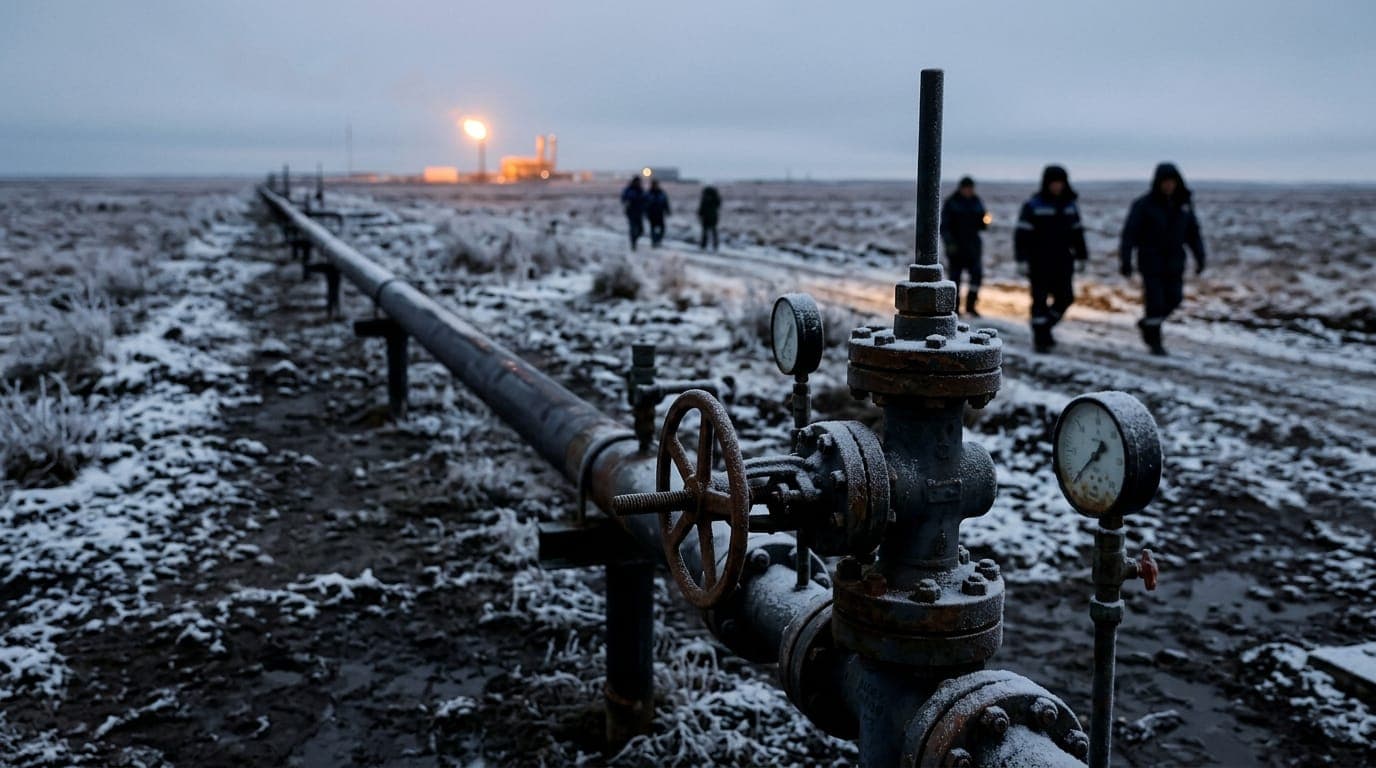
- The government allocated 2,000 megawatts of surplus electricity in Phase 1 for Bitcoin mining; whether that capacity is operational as of mid-2026 has not been confirmed.
- Pakistan's Finance Secretary publicly stated that no legal framework for a national Bitcoin reserve exists and that cryptocurrency remains illegal under current Pakistani law, making the statutory build-out of the new digital assets authority the critical gating factor.
Pakistan Crypto Council CEO and Special Assistant to the Prime Minister Bilal Bin Saqib announced the country's first government-led Strategic Bitcoin Reserve on May 28, 2025, at the Bitcoin 2025 conference in Las Vegas. The reserve is seeded with digital assets already in state custody, positioned explicitly as a long-term sovereign hold, and backed by a 2,000-megawatt surplus-electricity allocation for Bitcoin mining. The catch: Pakistan's own Finance Secretary says the thing is illegal.
The Announcement and What's in the Reserve
Saqib made the declaration from the Bitcoin 2025 stage, with US Vice President JD Vance, Eric Trump, and Donald Trump Jr. in attendance.
"Today, I announce the Pakistani government is setting up its own government-led Bitcoin Strategic Reserve, and we want to thank the United States of America again because we were inspired by them."
Saqib credited the US Strategic Bitcoin Reserve, established by Trump executive order in March 2025, as the direct inspiration. His office's statement described the reserve as "holding digital assets already in state custody, not for sale or speculation, but as a sovereign reserve signalling long-term belief in decentralised finance," per Dawn, Pakistan's newspaper of record.
No open-market BTC purchases have been confirmed. The reserve size in BTC has not been disclosed publicly. The 2,000 MW Phase 1 allocation is cited across multiple sources from the initial announcement; whether that capacity is operational as of mid-2026 has not been confirmed.
A subsequent statement from Saqib, relayed by Radio Pakistan in August 2025, addressed Pakistan's ongoing approach to its crypto and Bitcoin reserve strategy.
The Legal Contradiction at the Center
The reserve's biggest obstacle is domestic, not geopolitical.
Pakistan's Finance Secretary Imdadullah Bosal stated on record at a National Assembly Standing Committee meeting: "There will be a legal framework only when the government formally takes a decision, but the current legal status is that crypto is not a legal tender in Pakistan." That is a direct, on-record contradiction of Saqib's announcement from a senior figure in the same government.
Pakistan is building a new digital assets regulatory authority, the Pakistan Virtual Assets Regulatory Authority (PVARA), to provide the reserve a legal home. Until that body has formal statutory authority, the Finance Secretary's objection stands. The reserve cannot be recognized on Pakistan's sovereign balance sheet without it.
Pakistan is also operating under an active IMF program, with the IMF Executive Board having completed its third review of the 37-month Extended Fund Facility arrangement in May 2026 and targets extending through June 2027. The IMF does not recognize crypto as a reserve asset, and program conditions could conflict with holding or accumulating BTC on the sovereign balance sheet. Whether that tension has been formally addressed as of mid-2026 has not been confirmed.
The Playbook for IMF-Constrained Sovereigns
This is where the story gets instructive beyond Pakistan.
Pakistan cannot run a MicroStrategy-style leveraged buy. FX outflows would trigger IMF scrutiny immediately. So the regime has structured the reserve to avoid that trap entirely: use assets already in custody (no FX outflow, no IMF trigger), monetize surplus and stranded electricity to mine fresh BTC on an ongoing basis, and race to build the regulatory body that gives the reserve a legal home before the Finance Ministry shuts it down.
Nearly every developing nation has two things sitting idle: seized crypto in police evidence rooms and stranded electricity on the grid. Pakistan just showed them the entry point. The flywheel is: seizures seed the reserve, mining grows it, PVARA legitimizes it, and eventually the IMF either accepts BTC as a reserve asset or risks losing the client.
Sovereign wealth funds in wealthier nations are accumulating BTC exposure through ETFs and equity. Pakistan's version is structurally different, direct, mining-led, politically contested, but the direction of travel is the same.
The falsifiable version of this thesis: it breaks if the IMF forces liquidation of the seized BTC as a program condition, if the Finance Secretary's legal objection prevails and PVARA never gets statutory authority to hold BTC on the sovereign balance sheet, or if the 2,000 MW mining allocation gets quietly redirected to AI data centers only and the reserve never accrues beyond the initial seizure trove.
What to Watch
The critical near-term signal is whether PVARA receives formal statutory authority. That single step either validates the reserve as a legal sovereign instrument or leaves it as a press conference. Separately, watch the IMF program: if Pakistan accumulates BTC through mining and the Fund does not force a sale, it sets a precedent that a Bitcoin reserve can coexist with an active IMF program. That would be a green light for a dozen other program countries to attempt the same entry.
Sources
Frequently Asked Questions
Does Pakistan actually hold any Bitcoin, or is this just an announcement?
The reserve is seeded with digital assets "already in state custody," meaning previously seized or forfeited holdings. Some BTC exists in government hands. The specific amount has not been publicly disclosed, and no open-market purchases have been confirmed.
How does Pakistan's IMF program affect the Bitcoin reserve?
The IMF does not recognize crypto as a reserve asset. Pakistan's active program, currently under a 37-month Extended Fund Facility with targets running through June 2027, could conflict with holding or accumulating BTC on the sovereign balance sheet. Pakistan's Finance Secretary has already raised legal objections internally. Whether this tension has been formally resolved as of mid-2026 is unconfirmed.
What is PVARA and why does it matter?
Pakistan is building the Pakistan Virtual Assets Regulatory Authority (PVARA) to give the Bitcoin reserve a legal home. Without formal statutory authority for that body, the Finance Secretary's objection that cryptocurrency remains illegal under current Pakistani law stands, and the reserve cannot be formally recognized on Pakistan's balance sheet.