Houthi Missiles Strike Riyadh Airport Three Times in One Week, Killing 12
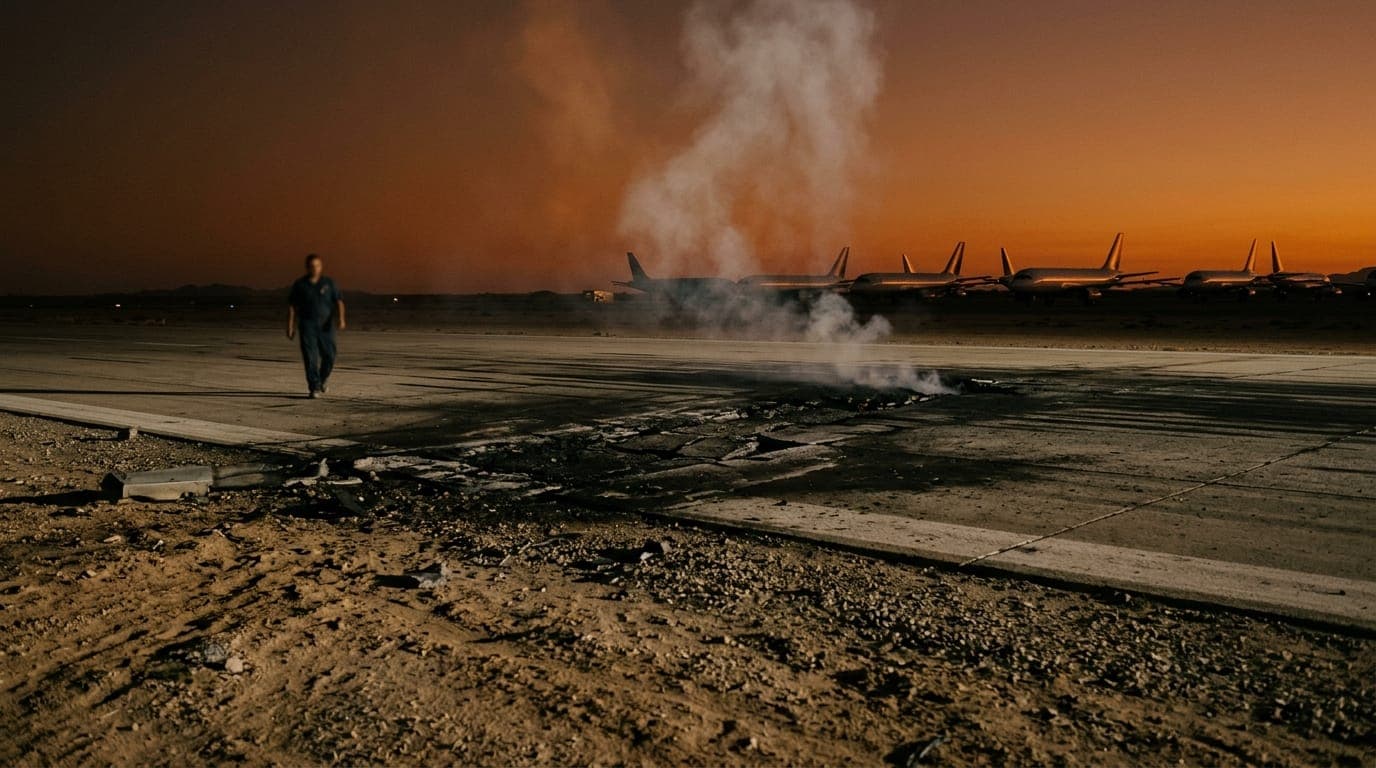
A Houthi ballistic missile struck King Khalid International Airport on October 10, killing 12 people and wounding 309, the deadliest attack on Saudi Arabia in more than a decade, and the third strike on the same facility in one week.
The deadliest attack on Saudi Arabia in more than a decade also hit the doorstep of the world's largest gathering of energy ministers and oil executives.
Key takeaways
- A Houthi ballistic missile struck King Khalid International Airport on October 10, killing 12 people and wounding 309, per Saudi Arabia's General Authority of Civil Aviation.
- The October 10 strike was the third on the same airport in one week; more than 600 flights were canceled and roughly 85% of scheduled flights were grounded at peak disruption, per Flightradar24 data.
- The 25th World Petroleum Congress opened in Riyadh on October 11 at a venue on Airport Road, hundreds of meters from the active missile target, with energy ministers and oil CEOs from 62 countries in attendance.
A Houthi ballistic missile hit Passenger Terminal 4 at King Khalid International Airport in Riyadh on Saturday, October 10, killing 12 people and wounding 309, Saudi Arabia's General Authority of Civil Aviation confirmed via Al Jazeera. The dead included 4 Saudis, 2 Bangladeshis, and one each from the United States, Egypt, Jordan, Syria, Sudan, and Palestine. It was the deadliest strike on Saudi Arabia in more than a decade.
This was not a one-off. The same airport had been struck on October 8 and in earlier attacks that week, with cumulative deaths across the campaign reaching at least 15. Saudi air defenses intercepted at least one additional cruise missile on Sunday, October 11, when a second fire broke out at Terminal 4.
The Numbers Saudi Arabia Cannot Spin Away
The Saudi-led coalition called the October 10 strike "a full-fledged war crime," per coalition spokesman Major-General Turki al-Malki, quoted by Al Jazeera: "The cowardly terrorist attack by the Terrorist Houthi Militia... which resulted in deaths and injuries among civilian passengers and airport staff, constitutes a full-fledged war crime."
Saudi aviation authorities suspended airport operations after the strike. Flightradar24 data showed roughly 85% of flights canceled at peak disruption, with more than 600 flights grounded in total. Air India, Lufthansa, and Pakistan International Airlines suspended Riyadh service. EASA expanded its airspace guidance, citing the Houthis' demonstrated ability to strike "deeper inside the kingdom."
A separate projectile landed near King Fahd International Airport in Dammam the same day, per the Saudi coalition spokesman. The Houthis have not issued a formal claim specifically for the October 10 mass-casualty strike. Senior Houthi official Nasr al-Din Amer posted on X that "We shut down Riyadh international airport," per CNN. Houthi military spokesman Yahya Saree issued a broader warning: "The airports and airspace are exposed to targeting and constitute a theatre of operations for our forces," per Gulf News.
An Energy Shock Running in Real Time
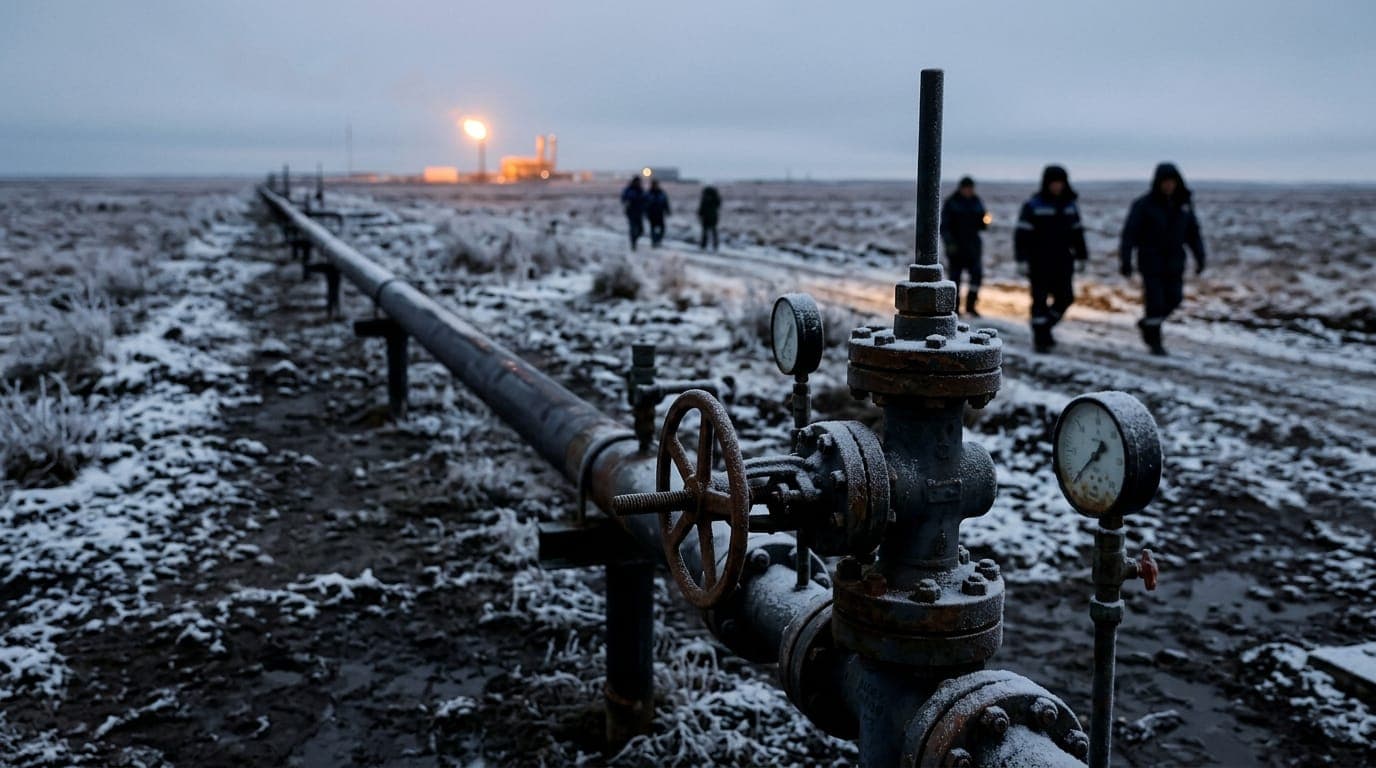
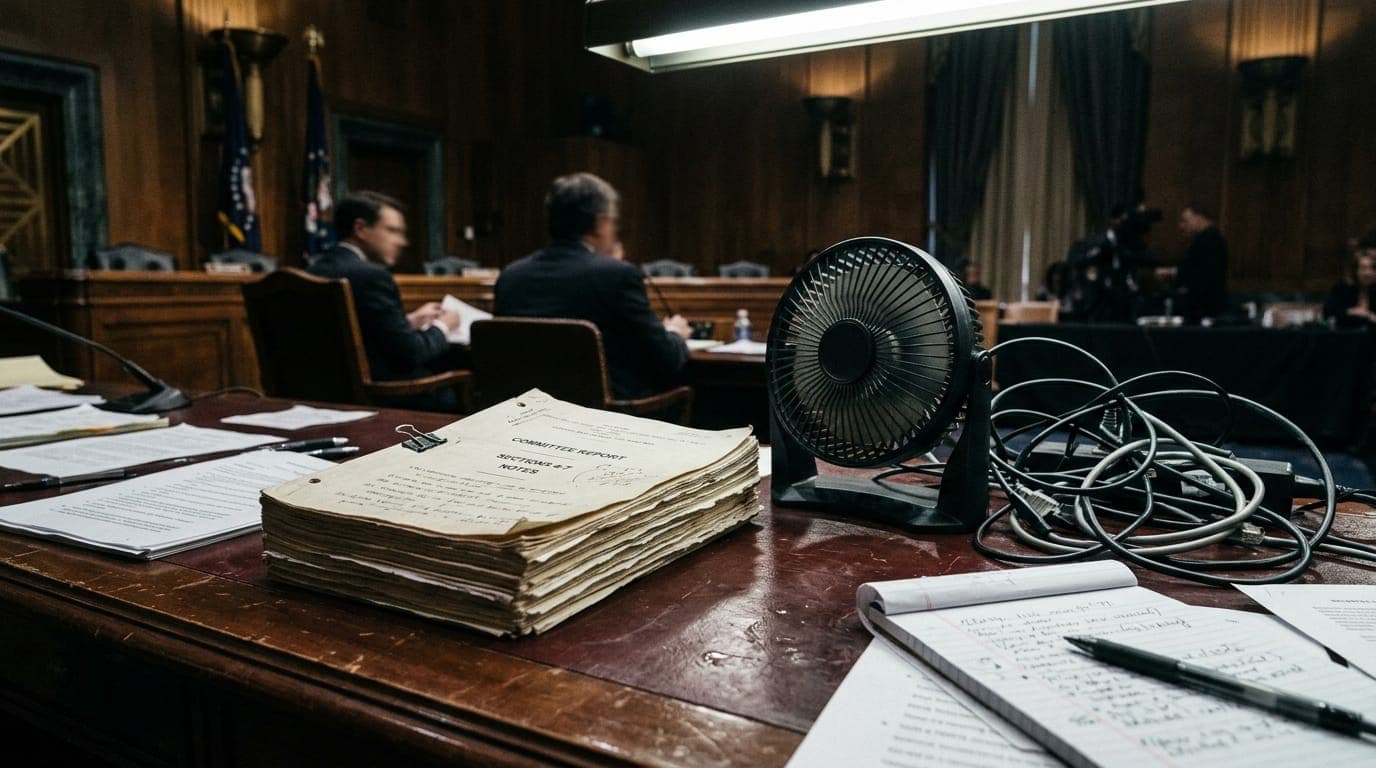
The airport sits on Airport Road. So does the Riyadh Front Exhibition and Conference Center, venue for the 25th World Petroleum Congress, which opened October 11 and runs through October 15. Twenty-five thousand energy leaders, petroleum ministers, and oil executives from 62 countries representing over 96% of global energy consumption convened hundreds of meters from an active missile target the morning after the strike. That proximity made the congress itself the event.
Saudi Arabia is the swing producer that gives OPEC+ its pricing power. King Khalid International Airport is not just an aviation hub; it is the logistical and executive spine of the world's largest oil exporter. Three successful strikes on that spine in one week degrade something more than infrastructure.
They degrade the credibility of Saudi Arabia as a stable platform for global energy markets. The 2019 Abqaiq and Khurais attacks showed what happens when Houthi-aligned strikes touch Saudi oil infrastructure directly: roughly 5% of global oil supply went offline, per a Congressional Research Service analysis. The airport campaign is not that, yet. But it is the same threat category moving closer to the same targets.
A sustained infrastructure war against Riyadh also pressures Saudi Vision 2030 directly. The kingdom's ambition to become a global aviation, business, and energy hub requires a functional, safe King Khalid International Airport. The Houthis are targeting that ambition deliberately.
The petrodollar framework that has structured global dollar demand for fifty years depends in part on Gulf stability as its underwriter. Destabilization here creates a dollar-credibility problem in slow motion, not just a security headline.
President Trump told reporters Saturday the U.S. may join Saudi strikes against the Houthis: "We may. We're going to look at it. We just found out about the recent attack, so we'll make a decision. We move very quickly," per NPR/AP. Secretary of State Marco Rubio said in a post on X: "The United States strongly condemns the recent attacks on the Kingdom of Saudi Arabia by the terrorist Houthis, including today's strike on King Khalid International Airport in Riyadh that took numerous innocent lives, including an American citizen," per CBS News.
The falsifiable version of the energy-shock thesis: if the Houthis agree to a ceasefire and halt airport strikes within two weeks, oil prices hold flat through the WPC Energy Congress, and Saudi air defenses demonstrably neutralize subsequent attempts, then the macro pressure from this specific campaign does not compound. Watch those three conditions.
What Comes Next
The Saudi-led coalition has vowed to "respond decisively." Gulf states broadly want to contain the confrontation rather than let it spread, per Al Jazeera's reporting. That calculus gets harder with each successive successful strike. Whether Washington moves from conditional statements to direct military involvement, and whether the Houthis escalate from airport terminals toward oil infrastructure, are the two variables that determine how fast this monetary story accelerates.
Sources
Frequently Asked Questions
Why does a missile attack on an airport matter for energy markets?
King Khalid International Airport is the primary entry point for the executives, capital, and logistics that underpin Saudi Arabia's role as the world's swing oil producer. Repeated successful strikes signal that the Houthis can reach the nerve center of global energy supply chains, not just peripheral military targets. That risk premium moves oil prices and inflation expectations.
Did the Houthis officially claim the October 10 strike?
No formal claim has been issued for the October 10 mass-casualty strike specifically. Senior Houthi official Nasr al-Din Amer posted on X that "We shut down Riyadh international airport." Houthi military spokesman Yahya Saree issued a broader warning that airports "constitute a theatre of operations" for Houthi forces. Neither constitutes a formal operational claim for that specific attack.
What is the World Petroleum Congress and why does its location matter?
The 25th World Petroleum Congress is a biennial summit convening energy ministers, oil executives, and policymakers from 62 countries representing over 96% of global energy production and consumption. It opened October 11 at the Riyadh Front Exhibition and Conference Center, which sits on Airport Road adjacent to King Khalid International Airport, the same facility struck the previous evening. The congress runs through October 15.