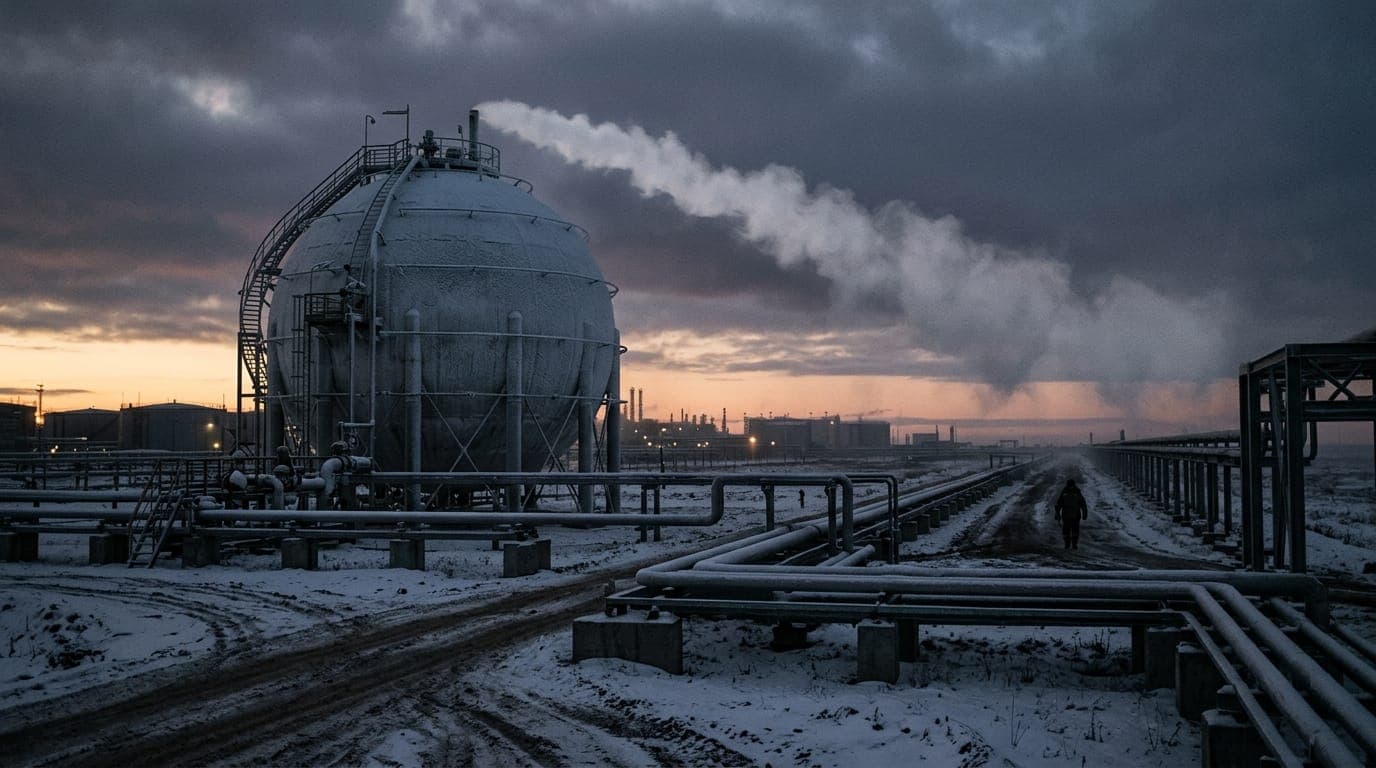
France Cuts 6.4 GW of Nuclear Power as Heatwave Hits River Cooling
France curtailed 6.4 GW of nuclear output across eight reactors as heatwave-elevated river temperatures triggered mandatory cooling limits. Wholesale prices hit multi-year highs. The event is a live stress test for every grid architecture betting on nuclear as reliable baseload.

When rivers get hot enough, "reliable" nuclear power gets curtailed. Europe just watched it happen in real time.
Key takeaways
- France cut approximately 6.4 GW of nuclear output, roughly 14% of Monday morning load, as heatwave-elevated river temperatures exceeded legal cooling thresholds at eight reactors, per EDF and RTE data reported by Reuters.
- Wholesale electricity prices in France and Germany rose to their highest levels since early 2025, even as France remained a net exporter of over 10 GW to neighboring countries.
- Bitcoin miners operating demand-response contracts in European markets are structurally positioned to turn exactly this kind of grid stress into a revenue event; AI hyperscalers signing long-term nuclear PPAs are not.
France curtailed approximately 6.4 GW of nuclear generation as of Monday morning during an ongoing heatwave, with temperatures exceeding 40°C (104°F) across much of the country. Per EDF operational data and grid operator RTE, as reported by Reuters, eight reactors were affected at the curtailment peak: Saint Alban 1 and 2; Bugey 3, 4, and 5; Golfech 2; and Blayais 1 and 3. Golfech 2 and Bugey 3 were taken fully offline; the other six ran at reduced output. Both are scheduled to reconnect to the grid July 17, after the long weekend reduces demand.
The 6.4 GW figure equals roughly 14% of France's total power demand as of that Monday morning. Nuclear accounts for approximately 70% of France's electricity mix across 57 EDF-operated reactors.
Why Nuclear Gets Curtailed When It Gets Hot
French law requires EDF to reduce or halt reactor output when nearby river temperatures breach regulatory limits, to prevent cooling water discharges from further warming rivers and harming aquatic ecosystems. At Golfech, the Garonne River discharge temperature must not exceed 28°C. At Nogent, the Seine must not rise more than 3°C downstream and must stay below 28°C on average. When those thresholds are crossed, the reactor comes down. No derogation from France's nuclear safety authority (ASNR) was requested during this episode, unlike in summer 2022.
The pattern is not new. France was forced offline by similar conditions in July 2025. EDF has committed €8.7 billion over 15 years to climate adaptation, roughly €600 million per year, up from approximately €150 million annually today, per Euronews (euronews.com/business/2026/07/13/france-shuts-down-nuclear-reactors-as-heatwave-intensifies). RTE and grid operator Enedis have pledged €50 billion through 2040 to harden transmission infrastructure.
What This Means for the AI Power Trade
France's junior energy minister Maud Brégeon told the National Assembly on June 30 that the country had "remained net exporters throughout the entire crisis" and that "the electricity grid as a whole held up," according to energynews.pro. RTE confirmed France exported over 10 GW to neighboring countries even during the curtailment peak.
That framing is accurate as far as it goes. But wholesale prices in France and Germany hit their highest levels since early 2025, per Reuters. And localized blackouts still occurred inside France during the episode, with up to 106,000 clients of the French power network left without power at one point during the heatwave, per Al Jazeera (aljazeera.com/news/2026/6/24/power-outage-in-france-as-europe-bakes-in-record-heat). Net export totals are a grid-wide average; they mask distribution-level stress and the cost passed to end users.
The AI capex buildout is racing to lock up gigawatts of nuclear power under long-term procurement agreements. The AI buildout is pricing nuclear as the anchor of reliable, clean baseload. France just demonstrated that anchor drags when rivers get hot. A hyperscaler signing a 20-year nuclear PPA is not modeling climate-driven curtailment into its uptime SLA. A Bitcoin miner is structurally designed to absorb exactly that downtime, and to get paid for doing so.
Miners running demand-response contracts in European markets can voluntarily curtail during high-price events, earn grid stability payments, and restart when prices normalize. For those operators, the France episode is a validated contract playing out in real time. Miners without such agreements face margin compression from the same spot price spikes; miners with them collect on the spread.
What to Watch
Bugey 3 and Golfech 2 are scheduled back online July 17. The broader heatwave pattern is not a one-off: recurring summer curtailments in France represent a structural feature of nuclear-heavy grids, not an edge case.
As DOE-backed nuclear expansion accelerates in the U.S. and AI hyperscalers chase European nuclear capacity, the cooling-water constraint will get more attention, not less. The question is whether the buyers of that capacity have priced it correctly. The evidence from France suggests they have not.
Sources
- EDF operational data and RTE grid data, as reported by Reuters
- ASNR, Autorité de sûreté nucléaire et de radioprotection
- Météo-France temperature records
- First reported by OilPrice.com (Michael Kern)
Frequently Asked Questions
Why does a heatwave force French nuclear plants offline?
French law requires EDF to reduce or halt reactor output when nearby river temperatures exceed regulatory limits. Reactors use river water for cooling and return warmer water downstream. Above certain thresholds, that discharge threatens aquatic ecosystems, triggering mandatory curtailment. It is an environmental compliance issue, not a safety failure.
How does this affect Bitcoin miners operating in European markets?
Miners with demand-response agreements in French-adjacent grids can voluntarily curtail during high-price events like this one, collect grid stability payments, and restart when prices normalize. The heatwave curtailment episode converts what looks like grid stress into a revenue event for those operators. Miners on spot power without curtailment agreements absorb the margin hit directly.
Doesn't France exporting 10+ GW prove the grid handled it fine?
Net export figures are a grid-wide average. France exported surplus power during the curtailment peak, but localized blackouts still occurred inside the country during the heatwave episode, and wholesale prices hit multi-year highs. The export buffer masks distribution-level stress and the cost passed to French end users. Aggregate grid stability and local reliability are not the same number.