FBI Agent Pleads Guilty to Stealing $2.47M in Crypto From 35 Cases
Patrick Yaroch, a former FBI counterintelligence agent, pleaded guilty November 5 to wire fraud and money laundering for stealing $2,474,381 from 35 active investigations. The scheme ran at least 20 months. The FBI's internal systems never flagged it.

A federal counterintelligence agent spent 20 months draining seized crypto wallets. His own employer never noticed.
Key takeaways
- Patrick Steven Yaroch, 37, pleaded guilty November 5 to wire fraud and money laundering for stealing $2,474,380.66 across approximately 100 transfers tied to 35 FBI investigations, per the DOJ.
- Yaroch used credentials inside FBI systems to access wallets belonging to investigative targets, adversarial nation-state actors, and at least one FBI operational wallet, then consulted ChatGPT on how to invest the proceeds and relocate to Portugal.
- The scheme ran from at least December 2024 to July 31, 2026. Yaroch self-reported. The FBI's internal monitoring did not detect it.
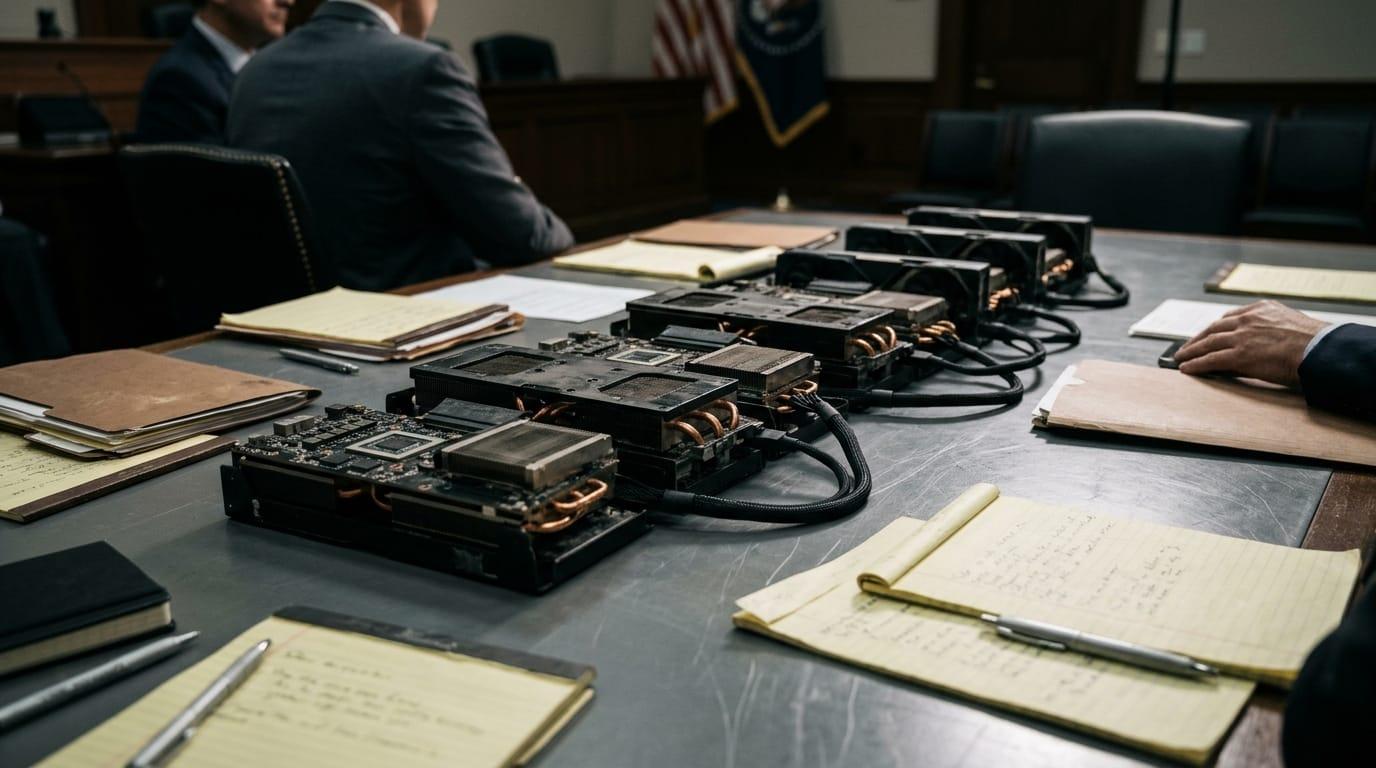
Patrick Steven Yaroch, a former FBI counterintelligence agent based in Ashburn, Virginia, pleaded guilty November 5 in U.S. District Court in Alexandria to wire fraud and money laundering, per the DOJ. He stole $2,474,380.66 from cryptocurrency wallets tied to 35 active FBI investigations. Sentencing is set for March 4, 2027, with a maximum exposure of 20 years.
The wallets Yaroch drained belonged to investigative subjects, adversarial nation-state actors under active counterintelligence scrutiny, and at least one FBI-created operational wallet. The DOJ confirmed the scheme compromised FBI sources and methods used in foreign intelligence collection.
How He Did It, and How It Ended
Yaroch worked in the FBI's Boston Division from 2017 through early 2025, then transferred to the Counterintelligence and Espionage Division in February 2025. That role gave him authorized access to FBI systems holding cryptocurrency credentials collected during investigations. He memorized seed phrases rather than writing them down to avoid a paper trail, then executed approximately 100 fraudulent transfers over at least 20 months.
The exit plan was running in parallel. On June 4, 2026, Yaroch asked ChatGPT what he should do with roughly $1 million if he wanted to leave the United States and become a resident or citizen of an EU country, per the FBI affidavit filed in August 2026. ChatGPT suggested buying a vineyard in Portugal. By June 15, he had authorized attorneys to obtain a Portuguese tax ID on his behalf. He had a Portugal trip booked for September 2026.
He never made the flight. On July 28, 2026, Yaroch contacted a DOJ employee via Signal to request a meeting. He then met with that employee at FBI headquarters and self-reported his actions. He was arrested July 31. During a search that same day, approximately $925,000 was transferred to government-controlled wallets. The remainder of the $2.47 million is unaccounted for in public records.
The Custody Failure Nobody Priced In
This case gets filed under "crypto crime." That framing is wrong. It is a counterparty risk story with a federal badge on it.
The FBI is arguably the highest-trust custodian imaginable. Top Secret clearances. Internal audits. Federal oversight. Yaroch had all of it, and still ran an active theft operation across 35 cases for at least 20 months before anyone knew. The institution's monitoring systems did not catch him across roughly 100 fraudulent transfers. The only thing that stopped it was a guilty conscience and a Signal message.
Policy controls, background checks, and security clearances did not prevent this. They are administrative layers, not cryptographic ones. The falsifiable thesis here: any centralized custodian of private keys is a single point of failure, and the custodian's credentials concentrate that risk rather than eliminate it. The trigger that would disprove it is a credible, independently audited technical protocol that removes human access to seed phrases at the agent level. The FBI does not appear to have had one.
The second-order damage is harder to price. Wallets belonging to adversarial nation-state actors under active counterintelligence investigation were compromised. DOJ confirmed FBI sources and methods were burned. No dollar figure covers that.
What Comes Next
Yaroch faces sentencing before Judge Patricia Tolliver Giles on March 4, 2027. The case will likely prompt internal DOJ review of how federal agencies custody digital assets seized or held in connection with investigations. Whether that review produces a technical control or another policy memo is the question worth watching.
Sources
- DOJ / USAO-EDVA Press Release, November 5, 2026
- FBI affidavit filed August 2026, referenced in DOJ proceedings (CourtListener archive; not independently confirmed as publicly accessible at time of publication)
Frequently Asked Questions
What charges did Yaroch plead guilty to, and what sentence does he face?
Yaroch pleaded guilty to wire fraud and money laundering in U.S. District Court for the Eastern District of Virginia. He faces a maximum of 20 years in federal prison. Sentencing is scheduled for March 4, 2027.
How did Yaroch access wallets tied to classified investigations?
His role in the FBI's Counterintelligence and Espionage Division gave him authorized access to FBI systems that held cryptocurrency credentials collected during investigations. He memorized seed phrases to avoid creating a written record, then transferred funds to wallets he controlled.
Was any of the stolen cryptocurrency recovered?
Approximately $925,000 was transferred to government-controlled wallets on July 31, 2026, the day of Yaroch's arrest. The DOJ press release does not account for the remaining roughly $1.55 million of the $2,474,380.66 total in public-facing statements.