Transcript: Chris Drzyzga: Bitcoin Playbook for Commercial Real Estate Owners
Full speaker-labelled transcript of TFTC episode #791 with Chris Drzyzga.

Full speaker-labelled transcript of TFTC episode #791 with Chris Drzyzga. Read the written article: Bitcoin Playbook for Commercial Real Estate Owners. Click any timestamp to watch that moment on YouTube. Machine transcription, lightly cleaned, may contain errors.
Marty Bent [0:07] You've had a dynamic where money's become freer than free. Let me talk about a Fed just gone nuts, all, all the central banks going nuts.
Chris Drzyzga [0:15] So it's all acting like safe haven. I believe that in a world where central bankers are tripping over themselves to devalue their currency, Bitcoin wins. In the world of fiat currencies, Bitcoin is the victor. I mean, that's part of the bull case for Bitcoin. If you're not paying attention, you probably should be.
Marty Bent [0:34] Probably should be. Probably should be. I wear this hat specifically for this because I think it's a key meme that aligns very well with this playbook that we're going to discuss, Chris.
Chris Drzyzga [0:46] I couldn't agree more.
Marty Bent [0:49] Well, thank you. Coming back on the show. We're here to discuss another playbook, one which you wrote and we're going to talk about today. We're publishing through TFTC and we're going to record this episode going through the playbook. The playbook is The Bitcoin Playbook for Commercial Real Estate Owners and Investors. You were on the show probably almost exactly a year ago. Yeah, a little over a year ago. about a year ago where we talked about Bitcoin and commercial real estate from a high level. You've spent some time really digging in and putting together this playbook. Not only that, but have implemented the playbook in practice with a couple of projects, which we'll talk about. But before we jump into the playbook, maybe for the audience who may not be familiar with your background, why don't we give a brief intro and then after that, what the listener will learn if they stick around till the end.
Chris Drzyzga [1:50] Yeah, thanks again for having me. I'm excited to be back and run through the playbook here with you today. As far as like my background's concerned, I'm a commercial real estate broker and investor based out of Southern California. Been doing it a little over 16 years now and found Bitcoin along that journey. And when I found Bitcoin, I started to try to think about different ways to integrate Bitcoin into the commercial real estate assets so that it was better positioned to navigate the new economy that we're inevitably going into. And over that process, over that timeline, there were a few different categories that I came up with to integrate Bitcoin practices and policies into the asset. And that can be from a single asset, single property perspective or across a broader portfolio.
Chris Drzyzga [2:55] Yeah. And that's kind of how we got here today was following our conversation about a year ago. I think I had laid out my personal outlook on the commercial real estate industry at large and some of the really major headwinds that were on the horizon. Some of those headwinds were widely accepted by the industry and others less so. And just to run through them, the first one had to do with accelerating monetary debasement. The second one had to do with the growing economic and functional obsolescence that comes with aging buildings and aging inventory across the country. And the third was Bitcoin as a superior store of value, the rise of Bitcoin as a superior store of value, and the fact that capital has more options than ever before.
Chris Drzyzga And ultimately, connecting those 3 onto the commercial real estate industry, what What were the implications of that? And as I was getting ready for our conversation today, I was like, hey, let's take a look back and see what happened over the last year. 5%, give or take, over the last 12 months. On the aging inventory category, we are in the midst of the largest-scale demolition and redevelopment cycle the industry has experienced in many years. Today, most of that is concentrated in the office sector, but in my opinion, that will eventually make its way into other property types. And then third, with the rise of Bitcoin as the new apex financial asset, That has implications for valuations and capital allocation, not only across commercial real estate, but across all markets and investments.
Chris Drzyzga And you start to look at some of the milestones that Bitcoin and some of the adjacent products have achieved in such a very short period of time. The ETFs, some of the most successful products in the history of Wall Street, Digital credit products such as STRC going from, I think it was a $2 billion IPO to $10 billion in a year. And products like Sada, they didn't exist when we chatted last time, and today it's paying daily dividends. And those are just a couple examples of Bitcoin doing its thing and continuing not only its maturation, but its integration into markets and business.
Marty Bent [5:56] And so for the next hour or so, we're going to walk through this from the perspective of somebody who owns a building. So how do you apply Bitcoin strategy in commercial real estate? How do you figure out what cash you can allocate to Bitcoin? What changes about their finance, your financing when you're getting into this and whether mining has any place to play in operations as well. So thinking about waste heat. So, and then we're going to go over some details about live projects that you have been working on extensively for, for a significant period of time that actually have real-world data backing the strategy. But I think you alluded to it a bit with, with other products like Stretch and SEDA. But when it pertains to commercial real estate, Why combine real estate and Bitcoin instead of just choosing one?
Chris Drzyzga [6:50] Yeah. Bitcoin is giving owners a new tool that complements and enhances the real estate. It allows you to preserve your purchasing power. It allows you to build and maintain reserves. whether that's for maintenance or capital expenditures. It allows you to improve your creditworthiness. It allows, allows you a new form of collateral. And these are all things that real estate owners are constantly trying to improve. And because of the, the design of the system today, they have constantly fallen behind. They are unable to build the reserves, the goalposts are constantly moving further away from them. And now, with Bitcoin, they are able to solve a lot of those problems a lot better.
Chris Drzyzga Real estate owners are very familiar with the primary— the 4 primary drivers of value. You have NOI growth, you have cap rates, you have leverage and capital improvements. When you're integrating Bitcoin into the real estate, it introduces a 5th return driver, and I refer to it as balance sheet appreciation. When you're holding Bitcoin, whether that's the property level, the entity level, what have you, portion of that value is no longer tied to the specific property, the specific tenant, or the local market that you operate in.
Marty Bent [8:39] Yeah. And so let's dive right into building a Bitcoin treasury and starting with every other expense that comes first before you can even tap into Bitcoin. So rent comes in, Why don't we walk the audience through what has to be funded before any of that money goes into Bitcoin? How should you approach covering the basics before getting into the strategy?
Chris Drzyzga [9:04] Yes. Rent comes in from the tenant base, and from there, you use that rental income to cover your operating expenses. And that is everything from electrical to taxes, insurance, labor, administrative. I mean, it's the overhead of running a business. just like anybody else. And from there, you use the net operating income to cover your mortgage expense. And after those 2 major categories have been covered, you have your free cash flow. And that is the amount, or that is the line item that real estate owners should be looking at and saying to themselves, what percentage of this cash flow should be held in Bitcoin rather than US dollars or US dollar equivalents.
Marty Bent [9:58] And then that, that gets to the question, okay, how do you decide how much Bitcoin to buy? And I think more importantly, through our discussions over the summer, like what frameworks should you have in place before you even make the purchase? Like what do you need to set up? How much should you buy? And before you even make your first purchase, what processes and frameworks should you have in place?
Chris Drzyzga [10:23] Yeah. I mean, the first thing I want to address is, you know, this treasury strategy, right? I feel like over the last couple of years, the treasury strategy has just been made far too convoluted, right? At the end of the day, treasury strategy, the way I look at it, at least, is a fancy term for cash management, right? How are you managing your cash? And over the past year, 2 years or so, in having the conversation with real estate owners, trying to convince them about this Bitcoin strategy or this Bitcoin approach, the biggest objection or the biggest pushback I've gotten is the volatility, and understandably so. Real estate is a capital-intensive business, so the owners and operators carry larger cash balances than most others would. Then you introduce the volatility of Bitcoin, and it doesn't mix very well. It's like oil and water.
Chris Drzyzga [11:21] Right. So what I laid out in the playbook was I advocated for a 3-tranche treasury strategy. And what that does is it basically broke out your cash needs over 3 different buckets, 3 different time horizons, and you're using different instruments in each of those 3 buckets to operate the property, preserve your purchasing power, what have you. So we touched on it a few minutes ago. The first thing you have to do is you need to understand what the cash flow needs are of the property. What are the expenses? What's the debt service? How much is left over? And once you've done that math, then you can start to basically divvy up these 3 buckets, right?
Chris Drzyzga So bucket 1 would be your Short-term immediate cash needs, right? So call it months one through three. Right? Don't get cute here. S. dollars in a checking account to cover the daily and immediate operational needs. Right? The second bucket is your intermediate reserves, and the goal here is you're still going to need these reserves. You just don't need them in the next thirty to ninety days. Right? So the goal. with the intermediate bucket is to make those reserves work harder for you, right? And making sure that you are— they're low volatility and you're maintaining the principal, there's some stability in the principal is incredibly important as well.
Chris Drzyzga Because this intermediate bucket is going to be solving things like tenant improvements, broker commissions, legal fees, tax payments, partnership distributions. So it's very important that they remain liquid and stable as far as the principal value is concerned. The third bucket is your longer-term capital, like your longer-term strategic bucket.
Chris Drzyzga [13:31] There you go. Perfect. And this is where your Bitcoin allocation goes. I think on that intermediate bucket, that could look something like months 3 to 12, 3 to 18. Whereas the long-term strategic capital is 18 months or longer, right? This is strategic capital. You're not trading it. It's ideally held in some form of self-custody, multi-signature setup, cold storage. That is incredibly important to note.
Marty Bent [14:06] Yeah. And when thinking through all these different options, I mean, I think getting more granular into, I mean, you mentioned spot Bitcoin, long-term cold storage, and multisig. What, in terms of the intermediate, like what would you say is the most important thing within this framework to focus on immediately out of the gate? or where do you have the most success when you focus on one of these buckets more intensely, if that makes sense?
Chris Drzyzga [14:42] Yeah, it comes down to the property and the investor and what their understanding and comfort level is with all of this to begin with. No 2 properties are the same. No 2 situations are the same. So you have to really approach them independently of one another. I would say the intermediate bucket is probably the most important starting point. because that has a direct tie to your ability to operate the property in the short term. If you mess up the intermediate bucket, and you go straight to Bitcoin, you could find yourself in a tough scenario if the price falls out, and you find yourself in a bear market or some unforeseen set of circumstances.
Chris Drzyzga So, Sizing the buckets is incredibly important. And also setting the timing is incredibly important. I used 18 months there for a couple of reasons. From a real estate standpoint, 18 months is kind of table stakes, right? Getting sizable leases done and tenant improvement projects, it is not unheard of for those to take 10, 12, 15 months, right? From a Bitcoin perspective, 18 months was the longest bear market. So I kind of backed into that timeline from both vantage points, if you will. Yeah.
Marty Bent [16:18] And then you also, in the playbook, you lay out different levels of conviction and how you should approach the The strategy there. So just giving, obviously some people are going to be more bullish on Bitcoin than others, but giving options across the spectrum of people who say, hey, I think I see some value here. What is the minimum viable allocation I need to a hardcore Bitcoiner who also owns a large or small commercial real estate portfolio saying, I want to incorporate this to its fullest extent? How How should anybody listening approach that?
Chris Drzyzga [16:56] Yeah, I mean, if you're new to all this and you're still trying to get comfortable with it and understand all the ins and outs, I mean, my opinion is a conservative allocation is 5 to 15%. And again, that is out of the free cash flow, right? After you've paid your expenses, after you've paid your mortgage, what's left over, 5% to 15% of that figure. And as far as implementing that, that's more than likely a DCA over a period of time. For those that are a little bit more comfortable with this, I'd say you're 15% to 30%, 35% of those excess reserves. And then for the Bitcoiners that happen to own real estate, I'd say you're 35% plus. In those 2 latter categories, it's probably a combination of lump sum and dollar cost averaging over a period of time.
Marty Bent [17:57] Well, I think this is a good point to jump into the live examples because based off of what we've discussed behind the scenes over the last 2 months, it seems like there is an implementation formula. Like we're talking when to buy, How much to buy when, when to lump sum, when to DCA, when to rebalance. What does that look like in practice and how important is setting up a strategy that you stick to out of the gate?
Chris Drzyzga [18:27] Let me start there because that is absolutely critical what you just said, right? Making sure that you have a strategy, a defined strategy before you go and implement it, right? Don't Don't shoot from the hip and just start buying Bitcoin. You want to have a defined framework, policies, procedures, a decision-making tree to help you navigate the strategy, because you want to be able to allocate and rebalance based off of policy, not emotion. That's how you're going to get burned. So that's step 1, is define what those policies, procedure, and broader framework look like. From there, you can start allocating a percentage of the free cash flow to your different buckets. The intermediate bucket can be T-bills, it can be high-yielding dollar instruments, what have you. And then you have your spot Bitcoin in the third bucket. And I forgot, what was the question again? I kind of got off on a tangent there.
Marty Bent [19:47] Like, how important is implementing the strategy first? And then what does it— like, going through a couple of live examples that you have, what does it look like when it's— as it's been implemented in the real world?
Chris Drzyzga [20:00] Yeah. The one client that you're likely referring to was a weekly buy. So it was a large facility in the Northeast US. We were buying about $10,000 worth of Bitcoin every single Monday from the free cash flow of the property. And that was done in a very systematic, consistent basis for a little over a year now. So they went up the last cycle and they DCA'd all the way through the bottom of this of this current cycle as well. And they were a little bit unique because they were a long-term holder. They had very low LTV. They only had about 30% LTV on the asset.
Chris Drzyzga So, they had a little bit more flexibility than most others. So, they were able, from their treasury strategy, they were very convicted on Bitcoin. They had a very high percentage of Bitcoin exposure every single week. Because of the low LTV on this particular property, they were able to take out a very small conservative loan on the property, small, low 6 figures, and they put those tax-free proceeds into STRC. We referred to that as digital rent. I thought of it as real estate owners are always looking for supplemental sources of income, right? The most similar here, or the best example comparison, is a cell tower, right?
Chris Drzyzga You get a Verizon tower or an AT&T tower on your roof, and they're paying your rent, right? Fantastic way to add value. In this scenario, they were able to use that digital rent as a way to enhance the net operating income of the property, which in turn allowed them to increase their Bitcoin purchases on the back end. So in a very short period of time, about 13 months, they were able to accumulate a treasury, a strategic treasury that can cover a little over 7 years of mortgage payments, which is incredible. So if something really went sideways in the economy, another 2008, situation or another black swan type of event, you know, the operator gets hit with a bunch of vacancies and delinquencies with the tenants, worst-case scenario stuff, they could sit back and they could make their payments and weather the storm for up to 7 years.
Chris Drzyzga So that's a really good example of the optionality and the flexibility that a strategic reserve lens to a real estate owner. Because nobody wants to— you don't want to be forced to make a decision, sell a property, make a maneuver when you're forced to. That's bad. So if we can give ourselves the runway to essentially sit and do nothing, That is oftentimes the best thing to do in periods of disruption and turmoil and uncertainty.
Marty Bent [23:28] Put that in the context, like, what does the average property have in terms of amount of mortgage payments they have in reserves that they can stomach?
Chris Drzyzga [23:42] To my knowledge, that is not a metric that commercial real estate folks track today. What I can tell you is that the vast majority of operators are running on very, very thin margins. So if I had to put a timeline to it, I'd say you're talking a few months, couple quarters at the most. If you get— if you have a scenario where you're beyond a year, I think you're going to be in some very exclusive company. And I want to just put a disclaimer there. There are all different kinds of owners, all different kinds of ownership profiles. You have the long-term generational owners that have had the property forever. Their tax basis is a very different situation than somebody that has been buying and selling over the last decade. So it's very nuanced, very specific to everybody's situation, the property type, the market you're operating in. But to your question, most real estate operators have a much thinner set of margins than this gentleman does.
Marty Bent [25:02] Yeah. Well, to really round out the strategy side of things too, there is a tax planning component to this as well too, right? When it comes to rebalancing and taking advantage of dips when they do happen, not only by buying, but harvesting some tax losses as well.
Chris Drzyzga [25:21] That's exactly right. And that coincides with what I mentioned earlier, Bitcoin being the 5th return driver, right? Because you have this asymmetric opportunity, this asymmetric asset with Bitcoin, but now because of the classification, it's designated as property, the wash sale rules do not apply. So, you start building up this Bitcoin treasury over a period of time, you're going to have different bases in your reserve. This is where the policies and the procedure and the recordkeeping that I mentioned earlier become incredibly important. Because, for example, this time last year, we were at 6-figure Bitcoin, $120,000+ Bitcoin. Today, we're, I think, somewhere in the high 70s. So, because of the rules and the classification that Bitcoin has, you are able to sell some of that higher cost basis Bitcoin, capture the tax loss, and buy it right back.
Chris Drzyzga So this client that we were talking about earlier with the 7 years of mortgage payments in their reserve, we executed one of these transactions, and we sold some of the Bitcoin that they had purchased north of $100,000. And without getting into all the technicals, we were able to create just under a $300,000 loss that they were able to carry forward in perpetuity and utilize in a number of different strategic ways in the future. And they lowered their cost basis in the Bitcoin from the high 80s to the low 70s. And actually, third, which made this thing an absolute home run, is when we executed the transaction, we were able to actually buy back in, in a way that was a net accretive transaction in terms of Satoshis.
Chris Drzyzga So, that was after transaction fees and all of that. It was a net accretive transaction in terms of Bitcoin. So, they got the tax loss, they lowered their basis in the Bitcoin, and they came out of the transaction with more sats than they started with. So, that's a perfect situation. That's an ideal scenario. That's not always going to be the case, but in this one, the stars aligned.
Marty Bent [27:59] What's up, freaks? This RIP was brought to you by our good friends at Square. Bitcoin on Block is creating a whole ecosystem of companies, Cash App, BitKey, and Square, to make Bitcoin everyday money. The way Square does that is by enabling eligible businesses to accept Bitcoin over Lightning. This is a superior way to do payments compared to incumbent payment processors. And if you're a Square merchant that enables Bitcoin payments, if you're an eligible Square merchant that does that, you're going to have 0% processing fees through 2026. Another benefit, there's no chargeback. There's no chargebacks. Think about what that means. The card networks have been skimming every local business for decades, plus chargeback risk on top.
Marty Bent Lightning settles in seconds, final, for free. This is Bitcoiners asking merchants for a favor and saying, hey, Bitcoin is a superior payment rail. If you adopt it, I have Bitcoin, you accept it, I will pay, you will save on those fees. It's a beautiful thing. On top of that, these merchants can take some of their fiat revenue, convert it to Bitcoin automatically in the backend. Square is trying to make Bitcoin everyday money for small, medium, and large-sized businesses. com/go/tftc for up to $200 off eligible Square hardware. Terms apply. This episode is sponsored by Bitcoin AppBlock. What's up, freaks? This episode was brought to you by Simple Mining.
Marty Bent I'm sure many of you listening to this right now own Bitcoin and own it the same way. You go on an exchange, you buy it, sweep it to the cold storage, maybe you keep it on the exchange and you pay full price. There's a smaller group of business owners, family offices, and investors with sharp CPAs that are quietly getting theirs a different way. They own the machines that make it.
Chris Drzyzga [29:21] Here's how it works.
Marty Bent [29:22] You buy the miners at Simple Mining. Simple Mining hosts them, runs them at their facilities in Iowa on industrial power rates you could never get on your own. The Bitcoin they mine goes straight from your machine to your wallet. 2 reasons I find this interesting right now. The second one is the one that nobody's talking about. One is the economics, cheap power. This lets you convert your electricity into Bitcoin at a discount to spot. You're acquiring the asset below the sticker price everyone else pays. 2, and listen closely, if you've had a big income year, making a lot of money out there, I know a lot of you freaks are making a lot of money.
Marty Bent Miners are classified as computer equipment with the big beautiful bill. Equipment means depreciation. Qualifying buyers can write off the entire purchase in year one. It's the same playbook real estate investors have run for decades pointed at Bitcoin. Your CPA will want to see this before the end of the year. And with attractive financing available, you can deploy without selling assets to do it. This is not a garage operation. Simple Mining runs over 40,000 machines and was just ranked the fastest growing company in Iowa on the Inc. 5000 chart. We put together a valuable resource called the 2026 Bitcoin Mining Blueprint. Covers the 5 mistakes investors make when allocating to mining, how to avoid them before deploying capital.
Marty Bent [30:23] You can access it for free at simplemining.io/tftc. That's simplemining.io/tftc. Well, and I think it's a testament to having a strategy going in and then a policy and then sticking to it when the pertinent triggers get triggered. It's like, okay, Bitcoin's 60% below or 50% below. some of the Bitcoin you bought at this level, the policy says you do a wash trade to lock in some tax losses and buy back, and you don't even have to think about it. It's just there.
Chris Drzyzga [30:57] That's exactly right.
Marty Bent [30:59] Yeah.
Chris Drzyzga [31:00] The value that comes from that pre-planning is very difficult to— you can't quantify it because it's going to help you execute in times of a lot of noise and to be able to fall back to those frameworks and guardrails essentially are critical.
Marty Bent [31:24] Yeah. And now moving on to the capital stack, Bitcoin as a collateral asset for anybody who wants to reinvest in property that they already own or go out and expand their portfolio. How should anybody listening to this who's in commercial real estate view Bitcoin as part of the capital stack for these endeavors?
Chris Drzyzga [31:46] Yeah. Capital stacking in CRE is a very broad term. It's used very loosely. So the way that I kind of thought about it for this playbook was how should owners be thinking about financing properties, structuring their debt, raising capital, That's a big one, and using their collateral. In today's world, lenders underwrite the rents and LTVs, leases, and tenant credit. On the other side, the equity investors are underwriting yields and appreciation, the tax benefits, and hold periods. So for better or for worse, this creates a bigger issue. And what that issue is, is that the borrowers are optimizing around the loan term rather than the long-term health of the property. When you are integrating Bitcoin into the capital stack, into the financing, you are able to realign the incentives between the 2 parties, the borrowers and the lenders, and help them think long-term again, rather than that you know, 5 to 7 year period, or, you know, whatever that next loan maturity is.
Marty Bent [33:06] Yeah.
Chris Drzyzga [33:09] And the issue— sorry to interrupt you there. The thing I'll say there is, because the borrowers are so fixated on that, on that loan maturity, they often sacrifice the operational improvements, the capital expenditures, because the thought process is, Well, why would I dump a bunch of capital into this asset if it's going to only benefit— if it's going to benefit the next owner more than it's going to benefit me today? Right. So that's why I say it realigns the incentives and gets the operators to think longer term again.
Marty Bent [33:47] Yeah, this reminds me a lot of what our friend Leon's written on this subject. about reinvesting in properties to make sure that your tenants are actually having a good experience at the end of the day too.
Chris Drzyzga [34:00] But that cannot be overlooked because tenants are the lifeblood of commercial real estate, right? I mean, you obviously have the land value and the physical structures, but the tenant that you lease to, that is how you drive premiums in in asset values. So you got to make sure that you have good relationships with the tenants, with your tenants, they have a good experience at the property, and the relationship is symbiotic. Yeah.
Marty Bent [34:36] And I think we'll get into that later, how applying a Bitcoin strategy to your commercial real estate portfolio can actually help you attract better tenants, higher quality tenants at the end of the day as well. But before we get into that, sticking on the capital stack, just walking through 2 examples again, like a cash-out refinance, you know, to acquire more Bitcoin or using Bitcoin as collateral to get that cash to do other things. And then for new acquisitions, Bitcoin in the capital stack for new acquisitions.
Chris Drzyzga [35:10] Yeah, let's start with the cash-out refi because not only is that the kind of the simplest starting point or the simplest example, but that's where the majority of the action is in this space. So I guess starting from the beginning, commercial real estate loans are typically— they come due every 5 to 10 years, give or take. That's kind of the time horizon that these operators are optimizing for. So, when you're approaching your lenders about the next refi, you are now able to introduce a new product that gives you Bitcoin exposure in one way, shape, or form. For the client I was referring to earlier, they're Bitcoiners that own real estate.
Chris Drzyzga They're very comfortable with it. They're savvy in all things Bitcoin and real estate, they were able— they're looking at doing a cash-out refi themselves, right, with a traditional lender, and they're going to use some of the proceeds, the tax-free proceeds from that refi, to add to their Bitcoin reserve. Right. And that's going to be long-term strategic capital. For the vast majority of operators that are not that comfortable or not that technical with these things, there are loan products out there today. The guys at Battery Finance are probably the most popular example today where they're doing a dual collateralized loan. So you're doing a traditional refinance on the property.
Chris Drzyzga The proceeds that come out of that refi are getting divvied up into different buckets. One of those buckets happens to be cold storage Bitcoin, And the borrower and the lender are participating in the upside over that duration, that 5 to 10-year period. It's important to note that that is not a trading position. It's not a mark-to-market margin loan. It is a long-duration credit structure that the Bitcoin just sits there. It's not moving. We talk a lot in the space about long time horizons and long duration assets, real estate and Bitcoin are the perfect marriage, because they're both long duration assets. And you can see just looking at the pricing history of Bitcoin, if you are able to get some exposure today, you're more than likely going to do quite well over a 5, 7, 10-year period.
Chris Drzyzga And that gives the borrowers a lot more optionality. It helps them maneuver more effectively when traditional credit markets may be constrained. It reduces their need to sell assets at unfavorable times or prices. And they can also focus on the operational objectives of the asset. So there are some really, really important benefits that, that the borrower is afforded. And then from the lender side, it strengthens their collateral package and reduces the overall risk profile. There's a number of different uncertainties that come along with real estate from the lender's perspective. Foreclosures are one of them, valuations, tenant issues, maintenance, all of that kind of stuff. So to be able to have a superior, a second form of collateral sitting next to the real estate that has the features that it has, it, it gives the— it's able— it provides both parties with the benefits and the flexibility that we're talking about here.
Marty Bent [39:09] Yeah.
Chris Drzyzga [39:10] And I think when you're approaching that too, especially if, you know, if you're listening to this and you're saying, hey, I got a loan coming due in the next year or two, The question you should ask yourself is, you know, how much equity should remain trapped in that illiquid real estate, right? That's probably a good starting point. And from there, you can start to do some of the back-of-the-napkin math that I mentioned earlier and understanding not only the use of proceeds, but also sizing those different positions as well, right? You take out a million bucks from a property. How am I divvying up that million bucks? There's probably going to be a certain percentage that's going to go to operational needs and property improvements. There's probably an allocation to that intermediate bucket to help with, again, the operations of the property. And then there's going to be the percentage or the allocation of those proceeds that go into your long-term strategic reserve.
Marty Bent [40:11] Freaks, look at me. I'm glowing. I've got like an angel's halo. going around me. You know why that is? Is I feel good. I feel taken care of. I feel blessed, healthy, happy. And that is because I'm a CrowdHealth member. My family and I have been CrowdHealth members for 5 years now. Literally this month, 5 years ago, we joined CrowdHealth. We've had 2 babies, we've had multiple health events, and we're never going back to health insurance. CrowdHealth is crowdfunded healthcare. So you, you sign up for CrowdHealth, you pay a monthly fee, you help out with other people's bills, uh, and it's significantly cheaper Then health insurance, we were on COBRA as a family of 3 when I left my last job before I went full-time with TFTC.
Marty Bent Went on The Crowd Health. Now as a family of 5, we pay, I believe, $700 a month. It's significantly cheaper. They're going to negotiate prices lower for you. They've consistently negotiated healthcare prices as much as 50%, 60%, 80% in many cases. They help out with babies. If you have a pregnancy, you pay the first $3,000 and The Crowd covers the rest. If you have A regular health event, you pay $500 and the crowd pays the rest. com, sign up today, use the code TFTC, opt out of health insurance. I'm uninsured, baby, and I love it. com and you'll get $99 a month for the first 3 months that you're on the CrowdHealth platform in the community.
Marty Bent Bitcoiners, you found sovereign money. Now find sovereign health and sovereign healthcare. All right, freaks, you know I don't take sponsor money from products I wouldn't use myself, so listen up. The Aven Bitcoin Visa card is one of the most interesting things I've seen in the Bitcoin lending space in a long time. Here's the deal. You can get a line of credit up to $1 million backed by your Bitcoin without selling a single sat. No games, no annual fees, no minimum draws, and your Bitcoin is custodied by BitGo, one of the most trusted names in digital asset security. Aven never lends it out. There's no rehypothecation.
Marty Bent You stay in control. You can lock in a fixed rate for up to 10 years.
Marty Bent [42:03] 10 years. That's 10 times longer than most lenders out there, or go interest only for up to 5 years. 99% APR, For a product that lets you keep your stack and still access liquidity, it's hard to beat. On top of this, guess what? You also get 2% unlimited cash back every time you use the card. Spend fiat, keep your Bitcoin. That's the whole game. If you've been stacking for years and you need liquidity without triggering a taxable event, this is worth a serious look. com/bitcoin. com/bitcoin. Check it out. It's, uh, I mean, I, I don't think the dual collateralization can be overstated, particularly for how beneficial it is for both sides of the transaction of the debt deal.
Marty Bent For the lenders specifically, I think pairing 2 long-term duration assets that have different risk profiles and different liquidity profiles, I think the liquidity of Bitcoin being included in the collateral package is very much underappreciated right now. And the combination of of the Duke can't be overstated. It makes too much sense. And to your point about these loans being 5, 7, 10 years, if you're able to get into a 10-year loan and catch 2 Bitcoin bull cycles, I mean, I think Andrew and the team at Battery has shown some projections using Bitcoin's historical CAGRs that show like the Bitcoin and the collateral collateral package could be worth more than the real estate when you initially took out the loan, which is fascinating.
Chris Drzyzga [43:42] Yeah, absolutely.
Marty Bent [43:44] So moving on to the operations side of things, protecting your net operating income and creating new revenue streams, how does Bitcoin play into this part? We're talking about a full integration here, not just on the capital stack.
Chris Drzyzga [44:00] Yeah, this is one of my favorite categories if I'm being honest. And when I say operations, the most common things people point to right out of the gate are accepting rent payments in Bitcoin and the security deposits. Both of those are great. I think on the rent payment side, today, the value there is more intangible. The reality of it is You can issue a policy to the marketplace that you're accepting Bitcoin rent payments. In practice, what is the likelihood of your tenants paying in Bitcoin? It's low. I think the reason I say it's more intangible and symbolic is because of the signal it gives to the marketplace.
Chris Drzyzga You're signaling to the market that you are not only Bitcoin-friendly, but you are future-looking, you are tech-forward, you understand where this is going. And that in and of itself is going to separate your properties from the rest of the market. Those properties are going to in turn attract a certain type of tenant. They're going to attract a certain type of consumer. And over a long enough period of time, that becomes a flywheel in and of itself. Over time, I think more and more tenants will, will take you up on that, on that rent payment option. But today, less so. The security deposits angle is very interesting.
Chris Drzyzga I can think of a number of different scenarios where that would solve problems and get deals done and ultimately lower the risk. Landlords and tenants for that matter are routinely negotiating deposits because of, you know, maybe the financials of the tenant are, you know, a little thinner than what you would like to see when you're signing a long-term lease, or the landlord's contributing an above-standard tenant improvement allowance, you look at Bitcoin deposits, that is a really interesting way to offset a lot of that risk. Before I get too much further into that, it's important to note that the laws on security deposits and how they can be used and held vary state by state.
Chris Drzyzga You need to understand what your jurisdiction permits and doesn't. As a starting point. And from there, it'd be best to start off with a new lease. If you're renewing a tenant, and you're just drafting a simple amendment, I probably wouldn't stick in the amendment that we're now accepting Bitcoin security deposits. You need to have a clean slate, go through the iterations with your counsel, and come up with a— a solid structure around that. But that aside, I think the Bitcoin security deposits can play a really interesting role in reducing risk for both parties. At the end of the lease, again, 3, 5, 7-year type of durations, if the tenant moves out, there's more than likely going to be an appreciation component of that deposit.
Chris Drzyzga What does that profit split look like? Is it 50/50, or is it some other breakdown because of the nuances that came along with that particular transaction.
Marty Bent [47:58] Yeah.
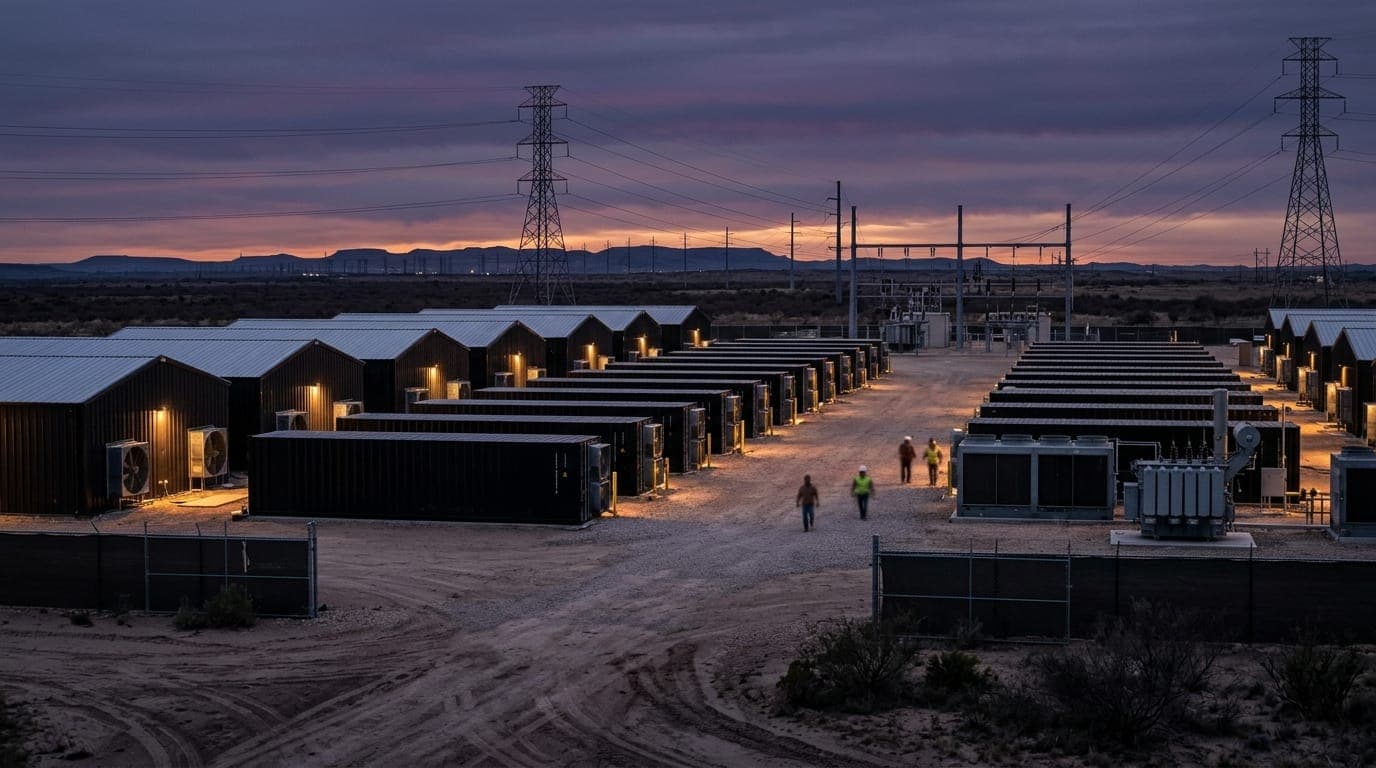
Chris Drzyzga [48:00] So you have rent payments, you have deposits. My favorite, the third category on this operation side, is how can you integrate Bitcoin mining into the mechanical systems of the property? I think where most people get it wrong, is they come at it from the standpoint of, can my building mine Bitcoin profitably? The answer to that, 9 out of 10 times, is going to be no. They are unable to compete with the hyperscalers, the data centers, the industrial and institutional mining operations of the world. It doesn't work when you come at it from that standpoint. But if you can flip the question upside down and say to yourself, my building already consumes energy, and it requires a ton of heat.
Chris Drzyzga Can Bitcoin mining improve or reduce the cost of what the property's already doing? The answer there is more than likely yes. Commercial real estate owners need to look at it from the stamp— they should ask them, look at a miner as a heater, a boiler supplement, or a hot water source. It's not a miner that happens to produce heat. It's a heater that happens to pay you in Bitcoin. When you make that shift, the options open up significantly.
Marty Bent [49:33] Yeah, I think that mental flip is very important. Yes, absolutely. We have it up here, mine to heat. mined to reduce net energy costs, mined to maximize Bitcoin output. And these 3 scenarios are different for different individuals with different setups, different properties that they own. And you go through that here where it makes more sense if you're looking at a property breakdown from multifamily to hospitality, industrial slash flex, office, retail, medical healthcare, self-storage, land, et cetera. Some of those 3, one of those 3 options makes more sense for each of these types of owners here.
Chris Drzyzga [50:23] Yeah. And going back to the 3 different modes, if you just want to scroll up there real quick, when you come at it from, can Bitcoin mining improve what I'm already doing? You're going to have You're either going to be mining to heat the building, or you're going to be mining to reduce the overall energy cost. And I think I mentioned at the top of the show, operating expenses, energy is part of the operating expenses. And as an average, energy is 30% of those operating expenses. And most real estate owners come at it from your traditional standpoint as far as being energy efficient. Solar, new window tints and films, sensors, all those mechanisms that we're all used to.
Chris Drzyzga The Bitcoin mining is the next evolution in that energy efficiency strategy or approach. The third category is just mining to maximize your Bitcoin output. Most people are not going to find themselves there, But some will. It depends on the property. It depends on, you know, the market that you operate in. And, you know, you could also find yourself in a scenario where you're able to check all 3 of these boxes. But I don't want to overpromise and underdeliver there. So most folks are going to be finding themselves in the first 2 categories. And from there, you know, as far as the property type and the location, Each situation is different, right?
Chris Drzyzga So you have to assess, just like with the treasury strategy, you have to assess the market and the property, right? What is the source of the energy? What are the demand loads? What's the capacity of the building, right? Understanding what the best equipment is for the job. You don't necessarily have to go out and buy the the newest, most state-of-the-art miners to do the job. You can probably find some second or third generation machines that will serve the purpose rather nicely.
Marty Bent [52:40] Yeah, I think that's a very important detail to highlight. It's acquiring the right miner for the job. You don't want to overspend and not get the payback. And older model miners are relatively cheap compared to top of line. And another aspect too, thinking about policy, and if you do decide that using miner waste heat is applicable to your particular situation, you want to implement it, you should have in the policy, um, to scoop up miners when they're relatively cheap. When the price of Bitcoin falls, the, the cost of the ASICs is very tightly aligned with, with the price of Bitcoin. And so For the last 6 months, it's been a great opportunity to buy miners.
Chris Drzyzga [53:25] Yep, exactly right. And I mean, just tying this to the real world, just like we did with the treasury strategy, this is not a theoretical conversation. This is happening in practice across the country, across various property types. This movement started initially in the residential space for a variety of reasons, but it's slowly making its way into the commercial space. There's a developer in Colorado that is doing a brand new ground-up mixed-use development that is using Bitcoin mining as the primary heat source. The mining is part of the boiler system. that is being used to heat the building. Colorado, colder climate a lot of the year.
Chris Drzyzga There's a larger demand for heat than there would be in other areas. And when I was talking with him, this was a few months back, he was telling me how the model that he put together had the Bitcoin output from the mining paying off the cost of construction in about 15 years. And that in and of itself was fantastic. It got me really excited. But then my next question to him was, what CAGR did you use? And he told me 15%. So I just told him, I think you're incredibly bearish. But coming at it from a real estate standpoint, knowing that your Bitcoin mining output can pay off your construction costs in that, you know, a very reasonable period of time is an absolute game changer.
Chris Drzyzga And just like we talked about in the capital stack section about realigning incentives and thinking longer term as well, if I'm an owner and I have a building and I can under— you know, I can look at the building and say, X amount of Satoshis are going to be produced through this building over any period of time. Now, in that scenario, I'm incentivized as an owner to hold that building, to optimize that mining operation, and keep the building in good shape.
Marty Bent [55:55] Right.
Chris Drzyzga [55:57] So, you can see across all 3 of these different verticals, We're flipping the incentives on their head and reinstilling some— what's the word? Some integrity in it.
Marty Bent [56:11] Another example, we have the Bathhouse in Brooklyn that uses miners to heat their hot tubs and jacuzzis. I think they've been very successful with that strategy, are expanding their operations, and will be implementing the Bitcoin mining to heat the pools. playbook in their new locations. And I think this is something, again, you have to flip the frame of how you approach this. Is this the best way to make Bitcoin? Wrong way to think about it. How can this reduce cost and be additive to what I'm already doing?
Chris Drzyzga [56:49] That's exactly right. And I'd be remiss if I didn't bring up some of the challenges here. So because of where we're at, and this particular approach is as new as it is, there are issues with permitting and planning, right? So when you're operating a commercial property and you're doing any kind of improvements, you need to get involved. The city is going to get involved, right? Making sure that things are built to code and to certain kinds of specs.
Marty Bent [57:21] And then—
Chris Drzyzga [57:22] Specs for Bitcoin mining in your mechanical systems don't exist yet. So there is a little bit of a trailblazing component here. And I think it actually lends really well to the private owners, large and small, because the private owners are going to be the ones that, one, are not only willing to do this, but they're also willing to ask for forgiveness, not for permission. If I'm allowed to say that, where they see the value, they want to go beta test it on one of their properties and see how it turns out. From there, they're going to be able to build out their energy strategy around mining. The REITs, the institutions, they are not going to take on that risk, full stop. They have to do things by the book. They are just unable to take on that additional risk. So I think there's a runway here for the private owners that will ultimately turn into a moat or a competitive advantage over the medium and even long term.
Marty Bent [58:38] Yeah, that makes a lot of sense. We'll get to that too, the overall advantages of beginning to apply this strategy towards the end of the conversation. What is the early mover advantage? But before wrapping up the operation side and calling back to something I mentioned earlier, which is Bitcoin-friendly tenants and asset quality, what does this do for the overall quality of the properties that you own?
Chris Drzyzga [59:05] Yes. So as I mentioned, when it came to the the rent payments. In today's world, it's mainly symbolic. It's a nice to have. It's a nice offering to present to your prospective tenants. Over time, more rent payments will be made in Bitcoin, but today, the value is what it signals to the market. You and I both know, your listeners are going to know that businesses and individuals that operate from a Bitcoin standard, in one capacity or another, they are operating from a fundamentally stronger position than those that are not. Right. And so, and going back to the point we made on, on tenants being the lifeblood of commercial real estate, right, if you and I are looking at acquiring a property, right, there are 2 identical properties And one of the tenants has a Bitcoin exposure and the other does not, you and I both know which deal we're going to take 10 out of 10 times, because that tenant is going to be able to withstand fluctuations in the market.
Chris Drzyzga It's going to be able to handle changes in consumer behavior and consumer demand a lot better than the guy that doesn't. So, and as you scale this out over a shopping center, right, that's got 30 or 50 tenants, right, you scale it out over an office building that has a dozen-plus tenants, right, so on and so forth, that flywheel gets spinning and it becomes incredibly, incredibly powerful. So I can see in the future Properties that have Bitcoin tenants or Bitcoin-friendly tenants, they're going to trade at a premium. They're also going to be in a lot higher demand than those that are not.
Marty Bent [1:01:07] Yeah. And then not only that, I know we've had this discussion in the past too, and again, I think this is further down the line, but I did have my first brush-in with a Square merchant in Birmingham, Alabama the other week, and I paid via Bitcoin. But I mean, if we're really looking forward and thinking about a Bitcoin standard and thinking about tenants and the perspective of a commercial real estate investor, and obviously the commercial real estate investor's focused on their margins and their net operating income, but imagine a world where Bitcoin's truly being used as a payments rail and you have many tenants who are Square merchants as well, and they do a good job of articulating to their client base like, hey, we'd rather you use these Bitcoin rails to pay us because the fees are significantly less, that increases their margins and makes them a more financeable tenant at the end of the day as well.
Chris Drzyzga [1:02:10] Yeah, absolutely. I think what Square is doing and has done with the payment processing is an absolute game changer and probably one of the most notable milestones in Bitcoin in the recent years. I wasn't actually planning on sharing this, but because you brought it up, if I own a property, I like to use the retail property or the shopping center as an example, and I want to encourage this type of commerce to take place, It would be really easy to set up like a lunch and learn with your tenants, right? Get your property manager out there, get some of the, the acquisition, the management guys to go out to the lunch and learn, invite all the tenants, buy them lunch, and everybody learn how to operate the Square point of sale system, how to download a Lightning wallet on their iPhone or their Android.
Chris Drzyzga And play around with some Bitcoin transactions. You're going to educate your tenant base and your, and your own employee base for that matter. But you're going to create an experience for those tenants that is going to make that relationship more substantive and sticky. Right there, that tenant's not going to forget, oh man, I downloaded my first Bitcoin wallet and made my first Bitcoin transaction here.
Chris Drzyzga [1:03:42] Right? And I bought, I bought a cheeseburger with it, right? So that is a really cool way to approach this in a non-threatening way as a landlord, as a property manager, and, you know, to, to build the, the relationship within the community, right? You could do it with your tenants. You could even open it up or do a separate event for people in your local community. Come on out. We're gonna, you know, host this event one afternoon and, and we're gonna show everybody how to do this.
Marty Bent [1:04:14] Relatively cheap, high-leverage activity right there.
Chris Drzyzga [1:04:18] Absolutely. Absolutely. You go to the— I think your, your initial question had to do with, with brand and asset value, right? Well, we already talked about the asset value. What, what I just said with the lunch and learn, that goes directly to your brand value. If I'm a business owner, regardless of the industry or the size business I have, I want to go do business with you. I want to lease space at your property.
Marty Bent [1:04:45] Yeah, agreed. And I mean, that ties nicely into the last section of the playbook that we'll discuss here. There are a couple more sections, but I think we'll leave a cliffhanger So people are more inclined to go download it to figure out what the strategy actually looks like and some practical use cases that they can dive into. But just ending and piggybacking on what we were just discussing on the 3 recurring value drivers, and maybe just starting by piggybacking on that, the brand value and first mover advantage. and then getting into optionality and tax efficiency.
Chris Drzyzga [1:05:29] Yeah. So the 3 recurring value drivers across not only the playbook, but the strategies we're discussing here today, one is brand value, asset value, and first mover advantage. I think there is an incredible opportunity for private owners, whether it's an individual, a partnership or a family office to start educating and integrating these types of strategies into the real estate. Start small, start with just an individual asset, use it as the test case and go from there. I think there's an incredible competitive advantage and moat that you will develop in a very short period of time by doing this. The other, the second driver is optionality.
Chris Drzyzga Optionality and flexibility come up time and time again when you're thinking through the macro environment, you're thinking through your local community and the, you know, the micro environment, essentially. It comes up time and time again when you're thinking about the operational needs, the curveballs that come up, the issues that come up with real estate. And to be able to do nothing a lot of the time is the best course of action, at least as a starting point. The other side of that is when you're able to preserve purchasing power and outpace the rate of monetary debasement, you are able to be a better Owner, operator, and investor.
Chris Drzyzga Your properties are going to maintain their their value better and longer. You're going to be more profitable. You're going to be more competitive in the marketplace. Tenants and businesses, consumers—they're going to want to come to your property because you—it's it's very evident that you have that pride of ownership. You have the the balance sheet that is required to. operate and execute at a very high level. And the third value driver is your tax efficiency. We touched on it a little bit at the, at the beginning there, the tax loss harvesting components that exist or opportunities that exist. But commercial real estate is already a tax-advantaged asset, right?
Chris Drzyzga That's one of the primary attractions as a financial investment. You have cost segregation and interest deductions, 1031 exchanges, what have you. When you pair Bitcoin with commercial real estate, it's like a superpower, again, because of the classification that it has currently, and the way that you're able to use the real estate proceeds, whether it's cash flow or Refi proceeds, the mining, there's a tax component there. The mining, we didn't even talk about it, but you not only can offset your energy costs, but when you bring the miners into the scenario, you can depreciate those in year 1. So there's a tax component there as well.
Chris Drzyzga And those are all savings and benefits that are going to fall directly to your bottom line. Almost immediately. Yeah, it's pretty beautiful.
Marty Bent [1:09:16] And then going back to optionality too, combining optionality with first mover advantage, as you were explaining both those levers, if you're a first mover, you build up the Bitcoin treasury and the capital stack and you apply the strategy correctly and your competitors don't. Like if you want to expand your commercial real estate portfolio, In the future, who's to say you can't get cheap real estate and then go apply this strategy with those assets that the previous owners didn't take care of because they weren't applying a strategy like this?
Chris Drzyzga [1:09:53] Marty, you're getting into the 201 level here. You get to a point where you have the strategic reserve, right? And now you come into a time in the market where there's disruption. Because of the features and the profile that Bitcoin has, you have the ability to move a lot quicker and offer more attractive terms than your competition that doesn't have that. I could see it as a really, really valuable acquisition tool as you get into the future here. That client I was referring to earlier, their massive strategic reserve, that is part of the strategic roadmap, is they're going to leverage that Bitcoin balance sheet to acquire assets when the opportunity presents itself. Because they have that, they are not beholden to the sentiment in the real estate market or the credit markets or, you know, et cetera. They're whatever their bank says, right? They have a lot more autonomy to make those decisions as they see fit.
Marty Bent [1:11:12] I mean, maybe we're going to get into 202, but we don't have time for it, but maybe that's a conversation for another day. But later on, the productivity gains that can come from applying AI to whether it's your company as a commercial real estate investor, or just at the property level, utilizing these incredibly powerful tools to create even more cost cutting and efficiencies?
Chris Drzyzga [1:11:40] 202, call it 301. Because you're exactly right. I mean, real estate is becoming a much more difficult business than it has been the last 25, 30 years. And in the future, the most successful real estate operators are going to be experts in multiple disciplines. They're going to be experts in real estate, Bitcoin, technology, AI. I lump those into the same bucket, and then energy. And they're going to be able to implement and execute all 4 of those categories on a real estate asset at a very, very high level. Those are the operators that are going to outperform the market, They're going to attract capital disproportionately, and they will ultimately be the highest in demand.
Marty Bent [1:12:37] Yeah. Well, Chris, I really appreciate you creating this playbook, number one, and I feel incredibly fortunate that we are launching this together. It's an honor to do this with you, sir. So if you are picking up what Chris has been putting down for the last hour and 7 minutes, go to tftc.io/CRE, download the playbook, look through it, and if you have any questions, Chris is the man to talk to when it comes to this. And on that, any final notes before we officially wrap up here?
Chris Drzyzga [1:13:14] Yeah, thanks so much for having me, Marty. The feeling is very much mutual. It's an absolute honor to do this in conjunction with you and TFTC. FTC. And I hope the market responds well to it and remains curious. I think the old playbook was more of a leverage-first type of approach. And this new playbook is going to be balance sheet first. So those that can try something different and new, they're going to benefit disproportionately. So Thanks again for having me, and I look forward to coming back for the 301 level, and we'll integrate all the AI stuff into the conversation from there.
Marty Bent [1:14:02] That's going to be a fascinating conversation. tftc.io/cr-e. Go download it now. And that's all today, freaks. Peace and love. Thank you for listening to this episode of TFTC. If you've made it this far, I imagine you got some value out of the episode. If so, please share it far and wide with your friends and family. We're looking to get the word out there. Also, wherever you're listening, whether that's YouTube, Apple, Spotify, make sure you like and subscribe to the show. And if you can leave a rating on the podcasting platforms, that goes a long way. Last but not least, if you want to get these episodes a day early and ad-free, make sure you download the Fountain podcasting app. You can go to fountain.fm to find that. $5 a month gets you every episode a day early, ad-free. Helps the show, gives you incredible value. So please consider subscribing via Fountain as well. Thank you for your time, and until next time.