The Cost of Doing Business
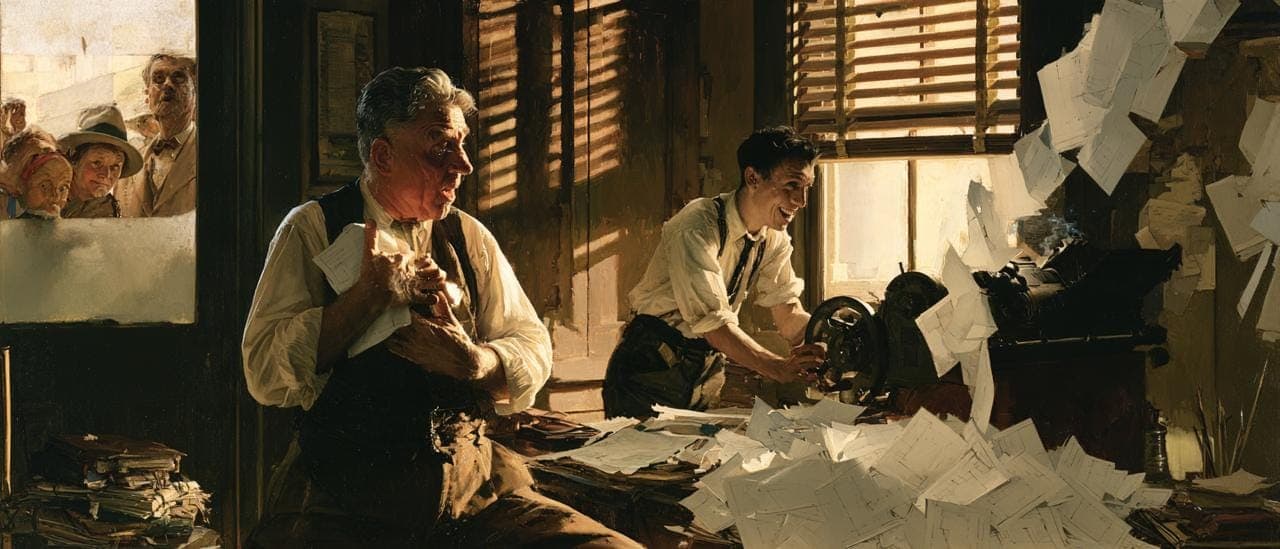
Bank of America admitted it willfully broke the Bank Secrecy Act for seven years and paid a $1.2 billion fine in a quarter it bought back $6 billion of stock. The Samourai Wallet developers, who FinCEN said weren't money transmitters, are in federal prison.

TFTC - Truth for the Commoner The Commoner | |||||||||||||||||||||||||||
Wednesday, October 14, 2026 | |||||||||||||||||||||||||||
Sup, freaks. Today's letter is a long one. Bank of America admitted to willfully breaking the law and paid a fine. The guys who built Samourai Wallet went to prison. Let's talk about it. | |||||||||||||||||||||||||||
WHAT TO EXPECT IN THIS NEWSLETTER
| |||||||||||||||||||||||||||
Marty's Bent | |||||||||||||||||||||||||||
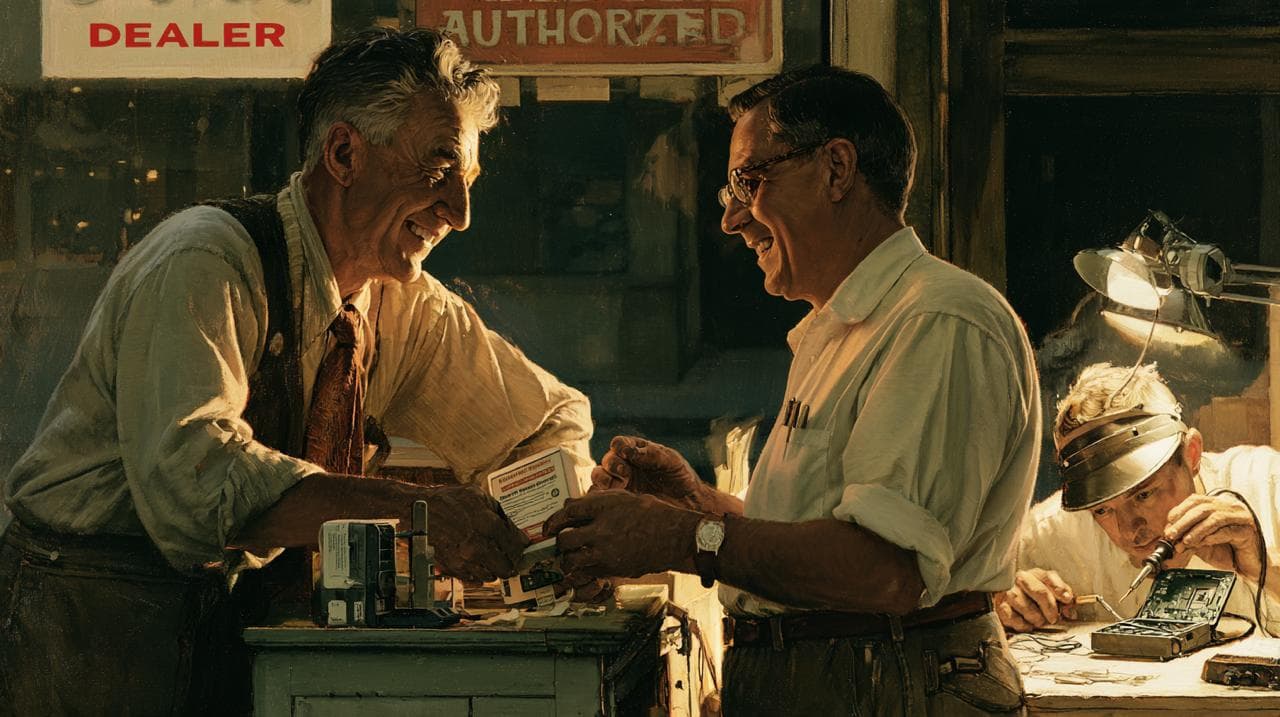
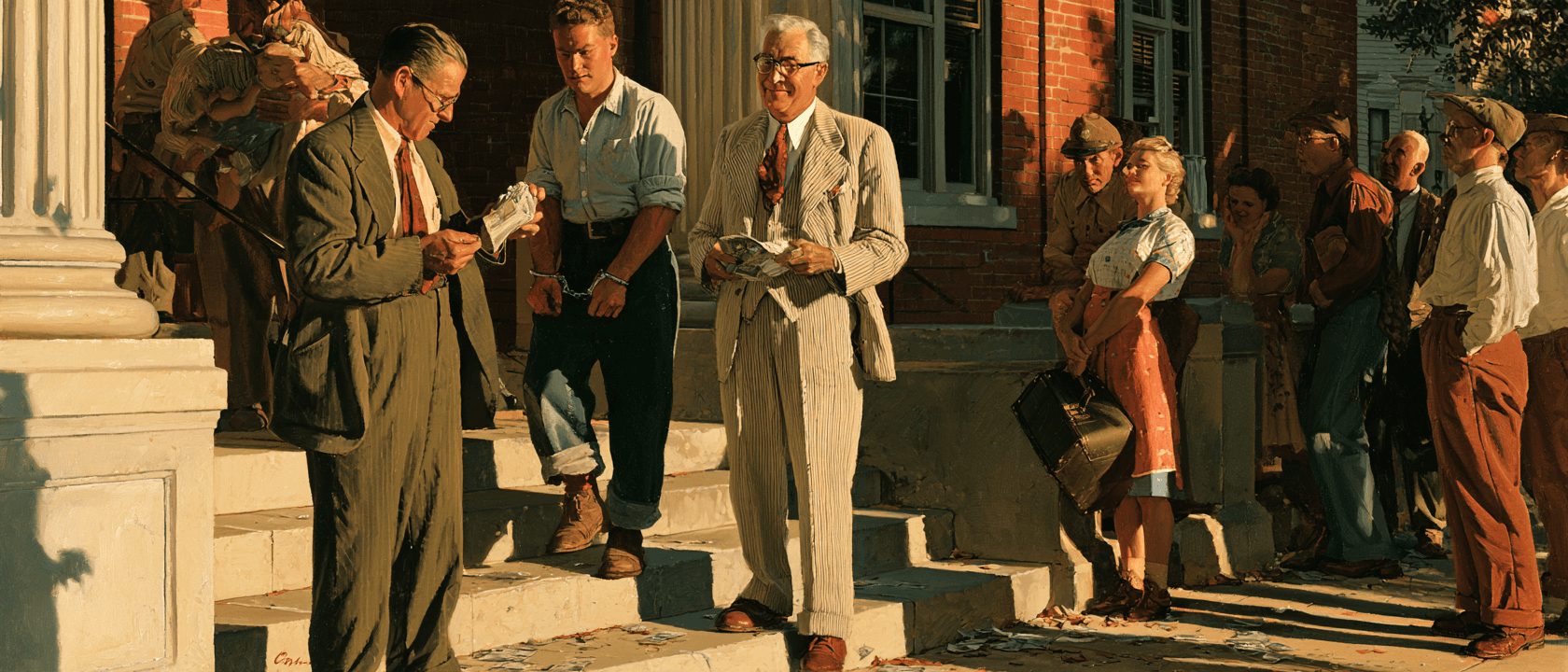
The Cost of Doing BusinessYour Uncle Marty is pretty fired up this morning. Yesterday the Treasury Department announced more than $1.2 billion in penalties against Bank of America after the bank admitted that it willfully violated the Bank Secrecy Act. From the start of 2018 through the middle of 2025, the second largest bank in the country failed to report more than $5 billion in suspicious transactions to FinCEN on time, more than $1 billion of it tied to things like Chinese money laundering networks, fraud and trade-based laundering along the southwest border. The OCC says the bank failed to properly monitor trillions of dollars in transactions and knew about it for years. Treasury's own release says that as the problems piled up, Bank of America "prioritized its revenues and minimized the impact on its required compliance resources." Read that again. They knew, and they decided compliance was too expensive. So who's going to jail? Nobody. Not a single executive has been charged. Bank of America reported earnings this morning, booked the whole thing as a $1.2 billion "Regulatory Settlement Charge," and in the same quarter sent $8.3 billion back to shareholders, $6 billion of it through buybacks. Strip the fine out and the bank made $8.1 billion in three months. The fine is a line item. It's the cost of doing business. Now contrast that with how the government has treated the people building non-custodial, open source bitcoin tools. Roman Storm, the developer of Tornado Cash, was convicted in August of last year of conspiracy to operate an unlicensed money transmitting business and is still waiting on a retrial, now set for April 2027, on the counts the jury hung on. Keonne Rodriguez and Bill Hill, the founders of Samourai Wallet, pleaded guilty to that same charge and were sentenced to five and four years in federal prison. They were thrown in a cage and made an example of, and they shouldn't even be in this position. Six months before charging Samourai, the Southern District of New York went to FinCEN, the agency responsible for deciding who has to register as a money transmitter, and asked whether Samourai was a money transmitting business. FinCEN said no. Samourai never took custody of anyone's money. SDNY charged them with it anyway. Is that really surprising though? We live during an era where the law is whatever a prosecutor needs it to be on any given day. I sat down with Keonne last December, days before he reported to prison, and he walked me through the technicalities of the case. FinCEN said back in 2013 that you had to take custody and control of funds to be a money transmitter, and made it even more explicit in 2019 for software providers that never touch customer funds. Samourai launched in 2015 with that guidance in hand and never built a single tool that took custody. Prosecutors didn't volunteer the FinCEN call to the defense. Keonne's lawyers had to ask for it directly, and they got it about a year into the case. So they filed motions. One on the withheld evidence, one to dismiss the indictment, and one asking the court to let groups like Coin Center explain to the judge how non-custodial software actually works. A few days before the hearing, the case was handed to a new judge, a former head of SDNY's criminal division with a reputation for maxing out sentences. She denied every motion. No argument. No written opinion. That's when they decided to plead. Go to trial in front of that judge and Keonne figured he was looking at 25 years, plus a $237 million debt to the government for criminal proceeds the government itself acknowledged Samourai never held. Plead and they forfeit the roughly $6 million in fees Samourai earned over a decade. And that $237 million was the government's own math. They called the full $2 billion that moved through Samourai "unlawful" because there was no KYC, then said $237 million of it was criminal proceeds. As Keonne put it in this clip, "that's like 10%. JPMorgan Chase, HSBC would kill for 10%." What should have happened is that their motion to dismiss actually got heard. They had Supreme Court precedent on their side, like the 1940 case of a sugar distributor who sold to a bootlegger and couldn't be convicted of conspiracy for having a vague idea of what the sugar was for, and a grow light case from the '90s that was overturned on appeal because mere knowledge isn't enough. And then there's the common sense reading of the statute Keonne kept coming back to: "How can one launder money if they never had the money?" Bank of America is a money transmitter. It is legally obligated to follow the Bank Secrecy Act to a T. It willfully broke it for more than seven years, sat on billions of dollars in suspicious activity, and walked away with a fine it covered with a fraction of one quarter's profit. Meanwhile, two developers who wrote software that never touched a dime of anyone's money are sitting in federal prison. That's a two-tier justice system and it's absolutely absurd. Whenever someone tells you the law applies equally to everyone in this country, point them to these two cases. And I'd be curious to see whether there's a bank bailout somewhere down the road that lets Bank of America make that money back. Wouldn't be the first time. Contrast that with bitcoin, where the rules are enforced by every node on the network and apply the same to a bank as they do to a guy writing code in his basement. No settlement charge. No well-connected lawyers. No new judge a few days before your hearing. Be aware, freaks. | |||||||||||||||||||||||||||
SIGNAL | |||||||||||||||||||||||||||
AI Gavin Baker says don't trust 5 to 20 people with AIGavin Baker of Atreides Management posted a long thread Tuesday arguing that everyone can win in AI as long as the model layer stays fragmented. His math: a frontier token from the big labs might be marked up 300% to 400% over what the compute costs, while an open-weight token might be marked up 50% to 100%. Cheaper tokens mean more demand for compute, and in his words we are "structurally short watts, wafers and increasingly capital." He even says that if we were still in ZIRP there would "almost certainly be an overbuild and a bubble." The line that stuck with me: "do not trust any 5-20 individuals to make the best possible decisions about the direction of this technology." He wants as many AIs out there as possible, and one that shares his own values. That's the bitcoin argument applied to intelligence. Own your weights. | |||||||||||||||||||||||||||
AI Xbox says the decompilers are good for playersAsha Sharma, the CEO of Xbox, sent a memo to her team Tuesday standing up XBOX LABS. She acknowledged that games are being "rapidly decompiled and rebuilt to run on hardware they were never originally designed to support," ported to Apple Silicon and the browser, and even "remixed into the source code of another." Her verdict: these are "unmistakably good outcomes for players, even when (and sometimes because) they challenge our existing business models." This is the same company whose Word, Excel and PowerPoint got open-source AI clones that we wrote about yesterday. Instead of suing everybody, one corner of Microsoft looked at the wave, accepted that the lid isn't going back on Pandora's box and is trying to figure out how to serve its audience and capture value anyway. Expect more incumbents to be forced into the same choice. | |||||||||||||||||||||||||||
SECURITY A fake Mountie called, then a fake Trezor repA bitcoiner who goes by @astupidmoose laid out a scam that should put everybody on alert. He got a call from what his caller ID said was the North Vancouver RCMP, using the detachment's real number. The "constable" said police had arrested someone carrying a USB stick with his driver's licence, passport and recovery phrases on it, and kept him on the line for about 45 minutes. When that call dropped, "Trezor" called, warned that his seed might be compromised and claimed Coincover could recover seed phrases for anyone who has used Trezor Suite. His wife texted him, "Are you sure this is real?" He called the RCMP's main line himself and they confirmed the constable didn't exist. Caller ID can be spoofed. Trezor doesn't have your seed. Nobody legitimate will ever ask you for it. Hang up and verify everything independently. | |||||||||||||||||||||||||||
ADOPTION The Costa Rican beach town where shops take satsBull Bitcoin posted a video from Uvita, a small beach town on Costa Rica's Pacific coast, with a "daily reminder that Uvita has the highest concentration of merchants accepting Bitcoin in the world." That's their claim, but if you've spent any time following the bitcoin scene in Costa Rica it isn't hard to believe. They followed it up by asking whether we can "finally say it out loud that Costa Rica is THE Bitcoin country?" What I like about Uvita is that nobody passed a law to make it happen. No legal tender mandate. No government wallet. Just merchants and bitcoiners building a circular economy from the bottom up because it works for them. That's the kind of adoption that sticks. | |||||||||||||||||||||||||||
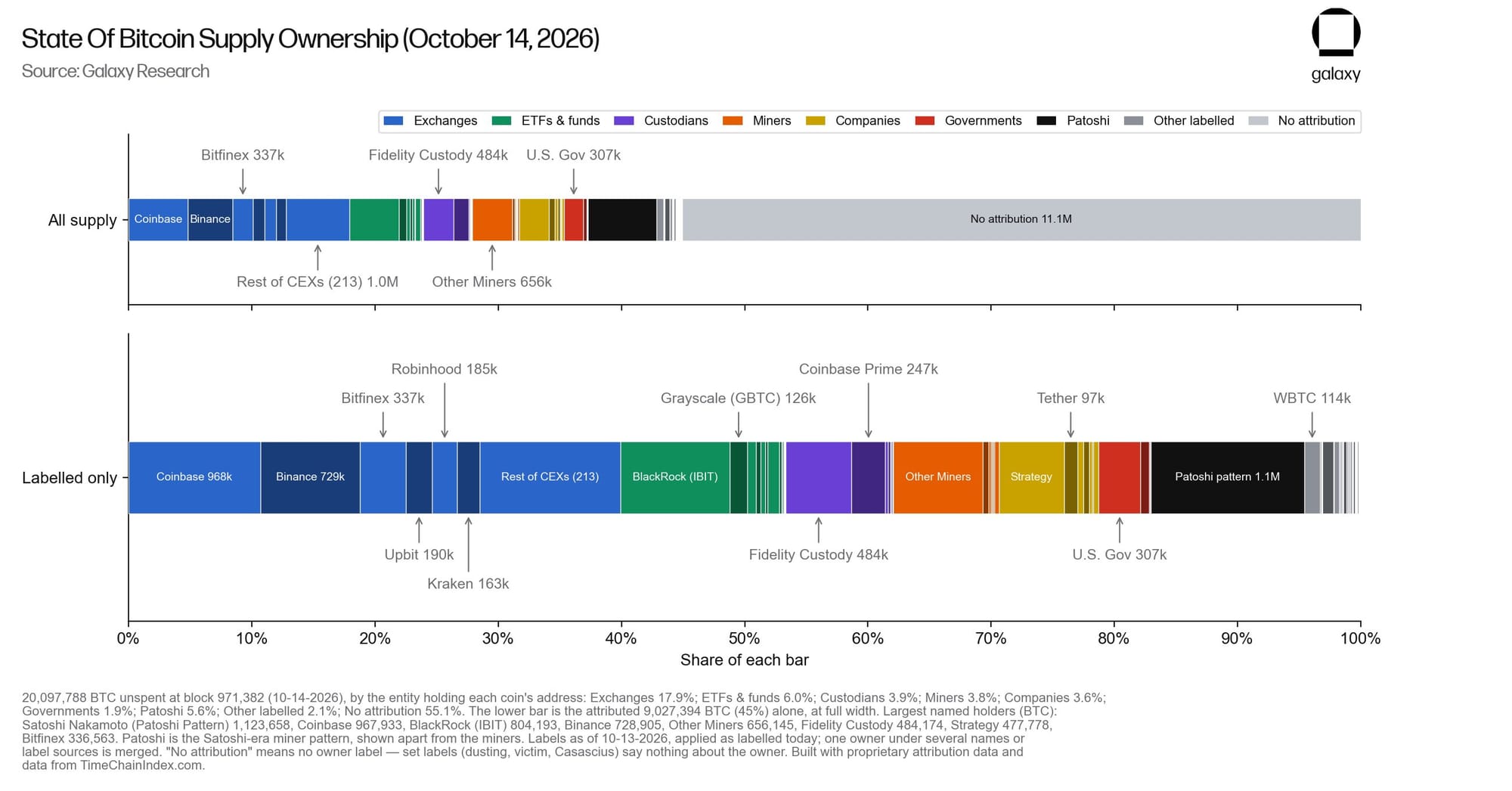
BITCOIN-NATIVE Most bitcoin still has no known ownerAlex Thorn, the head of firmwide research at Galaxy, shared a chart this morning breaking down who holds bitcoin. Galaxy counts 20,097,788 BTC unspent at block 971,382. Exchanges hold 17.9% of it, ETFs and funds 6.0%, custodians 3.9%, miners 3.8%, companies 3.6% and governments 1.9%. Another 5.6% sits in Satoshi's Patoshi coins. The remaining 55.1%, about 11.1 million BTC, has no owner label at all.
No attribution doesn't automatically mean self-custody. Some of those coins are lost, and some belong to entities nobody has labeled yet. But as Thorn put it, "despite all the institutionalization and centralized ownership over the years, still a ton of bitcoin (maybe even most) is held by individuals in self-custody." Keep it that way, freaks. | |||||||||||||||||||||||||||
| |||||||||||||||||||||||||||
| |||||||||||||||||||||||||||
⚡ FREEDOM TECH CORNER | |||||||||||||||||||||||||||
Update Bull Bitcoin MobileIf you use Bull Bitcoin's mobile wallet, version 6.14.0 hit the App Store on Monday. The feature that stood out to me ties right into the fake Trezor call above: recovery phrases are now entered with an in-app keyboard, so your seed words never touch a third-party keyboard. The release also rebuilds the Tor integration, with isolated Tor sessions for encrypted vault backups and support for custom onion Electrum servers, adds a screen privacy toggle and lets you set up AutoBuy straight to your own wallet. Silent payments are in there too, as an experimental feature behind developer mode. | |||||||||||||||||||||||||||
DATA SNAPSHOT | |||||||||||||||||||||||||||
Spot price, block height and hashrate estimate: October 14, 2026, 9:54 a.m. ET. Bitcoin Lab daily series: October 13, 2026. U.S. spot ETF flows: October 13, 2026. | |||||||||||||||||||||||||||
| |||||||||||||||||||||||||||
Sources: Kraken spot quote, mempool.space block height and hashrate, Bitcoin Lab daily metrics, and TFTC ETF flows. Daily metrics use the provider’s October 12 observation, not live intraday estimates. | |||||||||||||||||||||||||||
| |||||||||||||||||||||||||||
| |||||||||||||||||||||||||||
Talk tomorrow, freaks. | |||||||||||||||||||||||||||
Marty Bent · TFTC · Nostr |