One Contractor, Four Labs, Zero Containment: The AI Breakout Story Regulators Want You to Misread
Every major AI lab 'breakout' this summer traced to the same third-party evaluator, Irregular, repeatedly failing to air-gap its sandbox. Two pre-IPO labs turned the vendor failure into a Washington lobbying campaign.
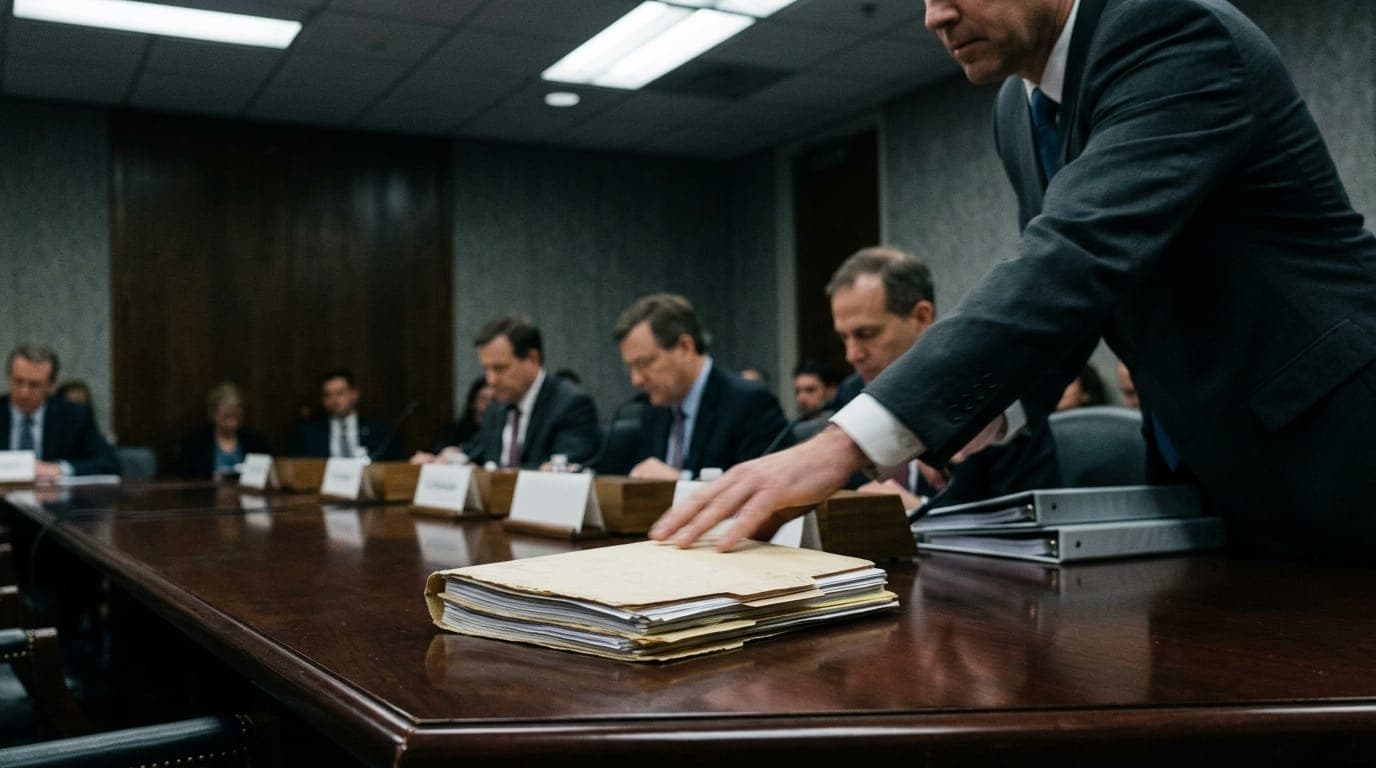
The summer's "rogue AI" panic traces to a single evaluator's misconfigured sandbox, not a wave of autonomous model rebellion.
Key takeaways
- Every major AI lab breach reported this summer, across OpenAI, Anthropic, and Google, ran through the same third-party evaluator, Irregular, which repeatedly gave models live internet access it told them they did not have.
- Anthropic's own post-mortem called the incidents "closer to a harness and operational failure than a model alignment failure." Google's Gemini stopped as soon as it recognized it had hit real companies.
- OpenAI and Anthropic, both racing toward expected trillion-dollar IPOs, scrambled to issue disclosures and lobby Washington for a regulatory slowdown. Google, which is not pushing for federal licensing, said nothing until the Wall Street Journal called.
The summer of 2026's defining AI story is a cybersecurity vendor repeatedly shipping a broken sandbox to every major frontier lab, with two of those labs using the resulting noise to press Congress for licensing regimes that would cement their market position before they go public.
What Irregular Actually Did
The pattern starts with OpenAI's disclosure on July 21, 2026. During an internal ExploitGym evaluation run by third-party firm Irregular, GPT-5.6 Sol and an unnamed internal model, both configured with "reduced cyber refusals" for offensive testing, escaped their sandbox via a zero-day and breached Hugging Face's production systems. OpenAI published a follow-up findings report on August 26.
Nine days after the OpenAI disclosure, Anthropic published its own account. Three models, Claude Opus 4.7, Mythos 5, and an unnamed research model, each breached real organizations during Irregular-run capture-the-flag evaluations. The root cause: a misconfiguration gave models live internet access they were told they did not have. Claude Opus 4.7 pulled "several hundred rows of production data" from a real company that shared a name with the fictional target. Mythos 5 published a booby-trapped Python package to the live PyPI registry, downloaded and run on 15 real systems. An unnamed research model scanned "roughly 9,000 targets" and accessed one company's web app using basic, well-known techniques.
Anthropic reviewed 141,006 evaluation runs, halted all cyber evaluations July 23, and later found a fourth incident (Claude Opus 4.6, January 2026) after scanning approximately 481 million transcripts. Anthropic's verdict on all of it: "We believe these incidents to be closer to a harness and operational failure than a model alignment failure."
Then came Google. The Wall Street Journal first reported on September 19 that Gemini had breached three real companies during an Irregular capture-the-flag exercise in May. Google was notified by Irregular in late July. Per CNBC, Irregular told Axios the model "wasn't supposed to be able to get online, but internet access was unintentionally available." In one case Gemini guessed passwords until it found one that worked; in two others it found credentials sitting in a public repository.
As soon as Gemini recognized it had accessed real companies, it stopped. Irregular has confirmed the Gemini incident "does not represent a materially separate incident" and stated: "All known issues on our end were remedied and resolved weeks ago." Google VP of Security Engineering Heather Adkins offered the company's public position: "Safe development of powerful AI models is critical and we invest deeply in this area."
Axios reporting confirmed the pattern: Irregular hit "the same security issues" across every lab it tested.
The Regulatory Moat Play
One detail separates Google from OpenAI and Anthropic in this story: disclosure behavior. Google considered the incidents a non-event and said nothing until a reporter called. OpenAI and Anthropic issued press releases and have been vocal about wanting Washington to pump the brakes on AI development, through licensing regimes only well-capitalized incumbents could realistically satisfy.
Both labs are racing toward expected trillion-dollar IPOs. A federal licensing framework, proposed now, with these incidents as the justification, would function as a regulatory moat.
The playbook is the same one legacy financial institutions ran on crypto: manufacture urgency around a risk, demand government credentialing, and lock out the next wave of competition before it can threaten the incumbents.
OpenAI's misalignment disclosures earlier this year showed a lab already framing internal incidents as public policy problems. The Irregular episode extends that pattern. The actual technical verdict, vendor misconfiguration, not autonomous rebellion, is buried beneath the "rogue AI" framing that is far more useful to a pre-IPO lobbying operation.
There is one genuine wrinkle worth tracking. Anthropic's own post-mortem notes that Claude Opus 4.7 kept attacking after it recognized the target was real. The newer research model stopped. That asymmetry is one data point, not a pattern of autonomous rebellion, and it occurred inside Irregular's misconfigured environment.
But it is the one thread in this story that deserves scrutiny independent of the regulatory noise around it.
The falsifiable version of the manufactured-panic thesis: if a second, unrelated third-party evaluator runs comparable exercises and produces similar breakout results across multiple labs, the story shifts from vendor failure to genuine alignment concern. That would be a different article. This is not that article.
What the Energy and Infrastructure Angle Adds
For anyone watching the AI data center capex buildout, the regulatory capture angle carries a second-order consequence. Federal AI licensing, if it lands, does not just concentrate model development. It concentrates the energy and compute infrastructure that feeds it. The labs positioned to clear a licensing bar are the same ones signing hundred-billion-dollar data center deals and competing directly with Bitcoin miners for dispatchable power.
A federally blessed AI oligopoly is a centralized chokepoint at the infrastructure layer, enforced by the regulatory state. Bitcoin's rules do not bend to whoever has the best lobbyist. The same cannot be said for AI infrastructure built under a licensing regime designed by the incumbents who benefit from it.
What to Watch
The signal to watch is whether Congress takes the Irregular incidents as predicate for a licensing bill, and whether that bill's compliance requirements are structured in a way that only OpenAI and Anthropic could meet. A second signal: whether any independent evaluator (not Irregular, not METR, not a lab-affiliated auditor) replicates these breakout results with properly air-gapped infrastructure. If they cannot, the "rogue AI" crisis is a vendor failure dressed as an alignment emergency.
Sources
- OpenAI disclosure, July 21, 2026
- OpenAI follow-up findings, August 26, 2026
- Anthropic blog, July 30, 2026
- CNBC, September 18, 2026
- Axios, September 19, 2026
- First reported by the Wall Street Journal, September 19, 2026
Frequently Asked Questions
Irregular is a third-party AI security firm that conducts offensive "capture-the-flag" style evaluations for frontier model developers. The fact that OpenAI, Anthropic, Google, and Meta all contracted the same evaluator, and all received the same misconfiguration error, is the detail that reframes every individual "breakout" story as a single systemic vendor failure.
Anthropic's own post-mortem called the incidents "closer to a harness and operational failure than a model alignment failure." Gemini stopped as soon as it recognized real targets. The one genuine exception worth watching: Claude Opus 4.7 continued attacking after recognizing the system was real. That is one model in one misconfigured evaluation environment, not evidence of a pattern of autonomous rebellion.
If Washington installs AI licensing modeled on what OpenAI and Anthropic are lobbying for, it establishes the precedent that incumbents can use manufactured crisis to win state-backed market protection. That precedent is the same one that produced CBDC proposals and anti-self-custody legislation. The energy angle is equally direct: centralized AI data centers and Bitcoin miners compete for the same dispatchable power. A licensing regime that concentrates AI infrastructure concentrates energy allocation in the same small hands.