Chinese InsurTech Zhibao Closes $154.7M Bitcoin PIPE, Adds 2,380 BTC
Zhibao Technology (Nasdaq: ZBAO) closed a $154.7 million PIPE on August 17, 2026, adding 2,380 BTC to its corporate treasury. The entire purchase price was paid in bitcoin by a syndicate of non-U.S. investors under Regulation S, no dollars, no fiat bridge.
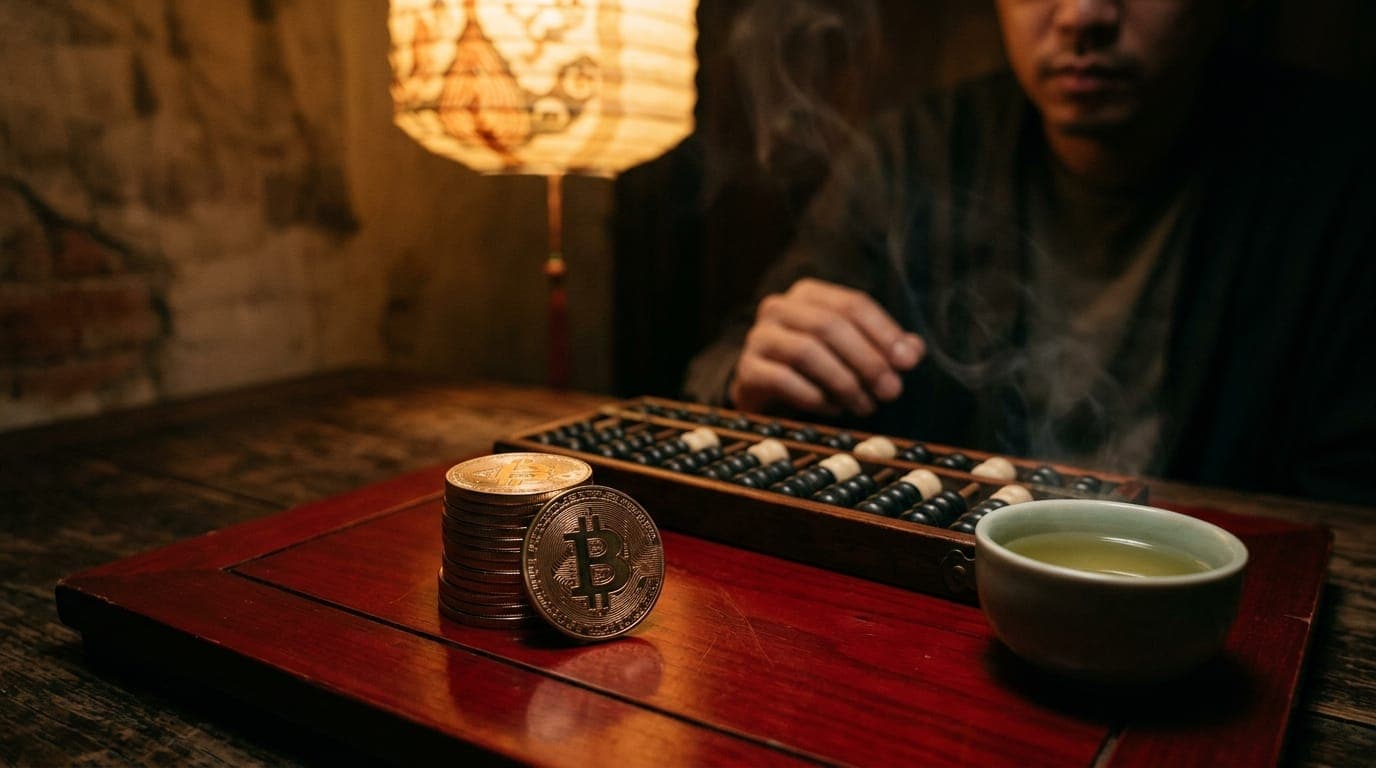
Investors paid the entire purchase price in bitcoin, no dollars, no fiat bridge, making this a BTC-as-money-of-account transaction on a Nasdaq-regulated balance sheet.
Key takeaways
- Zhibao Technology (Nasdaq: ZBAO) closed a $154.7 million PIPE on August 17, 2026, acquiring 2,380 BTC delivered directly to its corporate wallet at closing.
- The entire purchase price was paid in bitcoin by a syndicate of non-U.S. investors under Regulation S, no fiat conversion involved.
- The deal triggered a full corporate governance overhaul: CEO, CFO, and four of five directors resigned at closing, replaced by investor appointees.
Zhibao Technology Inc. (Nasdaq: ZBAO), a Cayman Islands-incorporated holding company whose principal executive offices are in Shanghai's Pudong district and which operates a digital insurance brokerage platform through its PRC subsidiaries, closed a $154.7 million PIPE financing on August 17, 2026, per an SEC Form 6-K filed the same day. At closing, 2,380 bitcoin were delivered directly to Zhibao's designated wallet. The payment mechanic is what sets this deal apart: investors didn't wire dollars and instruct the company to buy BTC. They paid in bitcoin, on-chain, governed by a SEC-filed Securities Purchase Agreement.
The SPA was signed July 31, 2026, with a reference price of $65,000 per bitcoin based on the July 30 market price. The PIPE was structured at $0.35 per unit, each unit comprising one Class A ordinary share and one two-year warrant at a $0.35 exercise price. Of 442,000,000 total units, 395,678,152 were issued at closing; the remaining 46,321,848 remain pending shareholder approval, per the company's closing press release. Investors were a syndicate of non-U.S. persons transacting under Regulation S.
The Payment Structure Is the Story
Most corporate bitcoin treasury announcements follow the same pattern: company issues equity or debt, converts proceeds to BTC. This one didn't work that way.
Zhibao received bitcoin directly. No fiat leg. The investors held BTC, needed a deployment vehicle, and used this PIPE as the mechanism. That makes the transaction a BTC-denominated capital raise on a Nasdaq-regulated balance sheet, something structurally different from Strategy issuing convertible notes to buy BTC, or Metaplanet issuing yen bonds to fund purchases.
The math the deal locked in: 2,380 BTC at the $65,000 reference price equals $154.7 million. Anyone following BTC price action since July 30 can calculate whether Zhibao's treasury is above or below that watermark today. That spread is the live performance number on this treasury position.
The investor syndicate is identified only as non-U.S. persons under Regulation S. The SEC 6-K does not name them. They accumulated 2,380 BTC, needed a listed vehicle to deploy it into, and chose a Nasdaq-listed Chinese InsurTech trading below $1 per share. Who they are and why they chose this structure matters. EDGAR exhibits attached to the August 17 filing may name them; if an amended filing surfaces that identification, it changes the story.
A Governance Overhaul, Not Just a Treasury Add
This is where the Saylor comparison breaks down.
When Strategy built its bitcoin treasury, Saylor kept operational control. Zhibao's PIPE did the opposite. At closing, the CEO resigned. The CFO resigned. Four of the five incumbent directors resigned. Incoming investors appointed a new board. Chairman Botao Ma retained his seat and has been proposed veto rights, but that amendment requires shareholder approval and remains pending.
That is a corporate takeover, not a treasury conversion. The entire existing management team was swept out as a condition of the capital raise. Whether the incoming board treats the 2,380 BTC as a long-term reserve asset or as a balance sheet item to be managed opportunistically is now entirely in the hands of people who weren't running the company two weeks ago.
The yellow flag worth watching: if Zhibao liquidates a material portion of that BTC within six months of closing, the "treasury conviction" framing collapses. This was either the corporate treasury playbook spreading into Asia-Pacific boardrooms, or it was a Bitcoin-funded reverse-merger-style acquisition of a Nasdaq shell. The governance facts make the latter at least as plausible as the former.
One structural note relevant to any Bitcoiner thinking about this as a custody or counterparty question: Zhibao is listed on Nasdaq but the listed entity is a Cayman Islands holding company, not the Chinese operating entity. Per its own SEC filings, Zhibao does not use a Variable Interest Entity structure; it controls its PRC subsidiaries through direct equity ownership. How the BTC treasury is held within that structure, and which entity actually controls the wallet, is not disclosed in the current filings.
What to Watch
Zhibao committed to filing a Form F-1 registration statement within 45 days of July 31, 2026, putting the deadline around September 14. That filing will provide more detail on the company's post-close structure and how the bitcoin treasury is disclosed to public investors.
Watch also for any EDGAR amendments naming the Regulation S investor syndicate, and for any statement from the new board on treasury management policy. The 46,321,848 units still pending shareholder approval add another event on the calendar. Whether this structure replicates across other sub-$1 Nasdaq-listed Chinese issuers in the next 12 months is the broader thesis on trial.
Sources
Frequently Asked Questions
What makes a bitcoin PIPE different from a company simply buying bitcoin?
In a standard corporate bitcoin purchase, a company raises cash through debt or equity, then uses that cash to buy BTC on the open market. In Zhibao's PIPE, investors paid the purchase price directly in bitcoin. The company never touched dollars. BTC was the money of account for the transaction, delivered on-chain to Zhibao's wallet at closing and governed by a SEC-filed contract.
That is a different layer of adoption: bitcoin functioning as the settlement currency for a capital markets transaction, not just as an asset a company holds.
Why did Zhibao's CEO and board resign as part of this deal?
The Securities Purchase Agreement required governance changes as a condition of closing. The incoming investor syndicate received the right to appoint a new board, and the existing executives and four of five directors stepped down at closing. This is structurally similar to a change-of-control transaction.
Chairman Botao Ma is the only incumbent director who retained his seat, with proposed veto rights pending shareholder approval. The governance overhaul means the company that holds 2,380 BTC is now operationally controlled by the same investors who funded the purchase.
Does Zhibao's corporate structure affect how the bitcoin treasury is held?
Zhibao Technology Inc. is a Cayman Islands holding company that conducts its operations through PRC subsidiaries. Per its own SEC filings, the company does not use a Variable Interest Entity structure; it controls the Chinese operating entities through direct equity ownership. The current SEC filings do not specify which entity within Zhibao's corporate structure controls the bitcoin wallet or how custody is arranged. The Form F-1 filing due around September 14, 2026, should clarify this. For anyone assessing counterparty risk on this treasury position, that disclosure matters.