Fear Malware
Walter Kirn’s Brownstone remarks hit home. I was shopping for generators before the midterms. It is time to reclaim the attention we keep giving to the next disaster.

TFTC - Truth for the Commoner The Commoner | |||||||||||||||||||||||||||
Wednesday, November 11, 2026 | |||||||||||||||||||||||||||
Sup, freaks. I spent part of the run-up to the midterms looking at generators. Walter Kirn gave me a useful reminder about how I got there. | |||||||||||||||||||||||||||
WHAT TO EXPECT IN THIS NEWSLETTER
| |||||||||||||||||||||||||||
Marty's Bent | |||||||||||||||||||||||||||
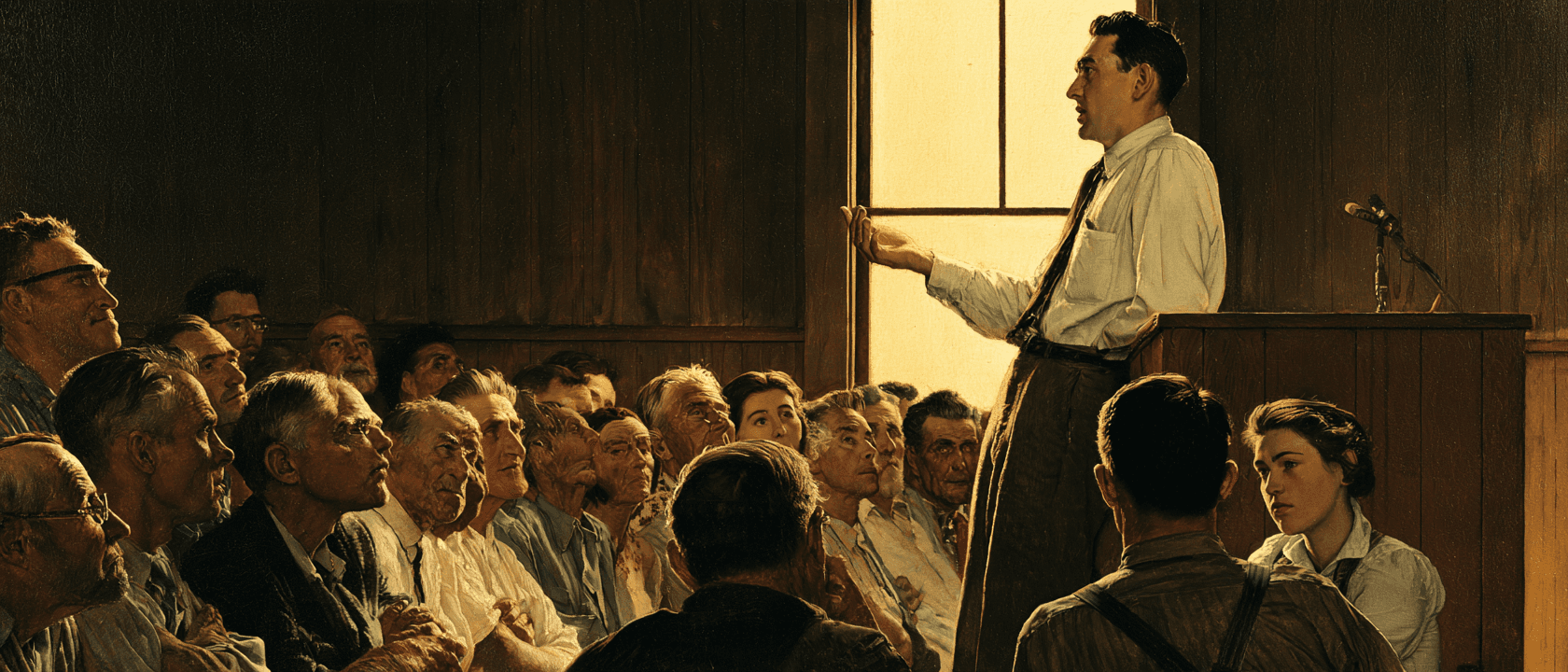
Fear MalwareIn the weeks leading up to the midterms, I found myself shopping for generators. I was spending enough time scrolling through warnings about election interference and attacks on the electrical grid that a prolonged blackout had started to feel like something I needed to prepare for immediately. There were prepper accounts explaining how much water a family would need to survive ninety days without power. I was reading them. I'm very susceptible to this stuff. I doomscroll. I can recognize what someone is doing with a frightening headline and still find myself thinking about it long after I've put the phone down. Walter Kirn's remarks at the Brownstone Institute were a timely reminder of this. Drawing on Adam Townsend's commentary, he described a mind so occupied by a succession of outrages and impending disasters that its owner has very little room left to think. He talked about warnings of nuclear war with Iran, questions about bubonic plague, and a scenario in which AI takes over America's traffic lights. His wife was asking about potassium iodide. I was looking at generators. You get through one scare and another is already waiting for you. Before you've had a chance to ask what happened to the last prediction, you're being told what you need to fear next. The headline changes, but you stay in the same agitated state. Try sitting down to think through a problem in your business while half your attention is occupied by the possibility that the grid is about to go down. That is time and attention you don't get back. I think keeping people in this state is the intention. People consumed by fear are easier to direct. Tell them what threatens them, tell them who can protect them, and you have a much better chance of getting them to accept things they would otherwise question. COVID should have taught us to recognize this. After everything I’ve watched and studied over the last six years, I’m convinced the fear-driven response to COVID did more harm than the disease itself, both to our health and to our freedom. We should have come out of that experience much less willing to surrender our judgment to whoever arrives with the next emergency. And yet here I am, looking at generators because of things people are telling me on the internet. Uncle Marty needs the reminder too. Fear malware is the best way I can describe it. A headline, a tweet, a TikTok or an Instagram reel gets something into your head, and you spend the rest of the day running it. Now it is competing with your work, your children and whatever you had intended to accomplish that day. There are plenty of things worth giving that attention to. Making your business better. Looking at your expenses and finding a way to save more. Investing in your children's future and your own. Taking the time to consider what a virtuous life looks like, and what it means to be human as more of our lives move into the digital world. Those things require sustained thought. They are difficult to do when you keep interrupting yourself to check whether the latest disaster has arrived. We need to get better at this now because the midterms did not bring an end to the fearmongering. I expect plenty more of it around impeachments and the policies the Democratic Socialists of America would like to see enacted if the country moves further left. AI is one area where I think this is going to become particularly important. Anthropic is expected to go public next week, and I expect Dario and company to lean harder into fear as they try to build a regulatory moat around the business. Anthropic has already endorsed California's SB 53, explaining that its requirements formalize practices the company already follows. It wants regulators to be able to update the rules and require more detailed disclosures. Getting the government to make your way of operating mandatory for covered competitors is a very convenient position for an incumbent to take. I expect Democrats to push much more stringent AI regulation from here, and I expect frightening scenarios to do a lot of the selling. The danger is that people become so afraid of what an independent developer might build that they accept a world where access to intelligence runs through a handful of companies and the governments overseeing them. Once you accept that arrangement, those are the people who get to decide what you can access and under what conditions. Harden your frontal lobes, freaks. These attacks on our ability to think independently are going to increase. We need to stand strong in the fight for open-source software, open-weight models and open access to intelligence. People should be able to run useful models on computers they control without asking Big Tech or a government for permission. Don't let the next round of fearmongering convince you to give it up. | |||||||||||||||||||||||||||
| |||||||||||||||||||||||||||
SIGNAL | |||||||||||||||||||||||||||
Cost of Living That chart is not your health insurance billCharlie Bilello's chart shows a 35% four-year decline in the CPI health-insurance index. As an answer to what families are paying for coverage, that is wrong. This is an indirect measure of insurance services, based on insurers' retained earnings relative to benefits, not the full premium coming out of your household budget. Medical benefits are counted elsewhere in CPI. A falling insurance-services index does not make your renewal cheaper. One person reports the same bronze plan rising from $828 to $1,112 monthly. Those are self-reported quotes, not a national average, but the bill is what the family has to find money for. HealthCare.gov enrollment runs through January 15; enroll by December 15 and pay the first premium for January 1 coverage. State deadlines can differ. CrowdHealth offers crowdfunding, negotiation and advocacy, not insurance or guaranteed funding. Check its exclusions and your state's requirements before switching. | |||||||||||||||||||||||||||
Bitcoin A Bitcoin Core bug, disclosed after the fixBitcoin Core disclosed a high-severity bug yesterday that could leave an affected miner unable to create block templates until it restarted its node. During a chain reorganization, an interaction with TRUC transaction replacement could leave the mempool in an inconsistent state. This concerned transaction policy, not a change to Bitcoin's consensus rules. The vulnerable versions were 28.0–28.2 and 29.0–29.1. Fixes shipped in 30.0, 29.2 and 28.3 in October 2025. Yesterday was the public disclosure, not the day developers discovered the problem or released a patch. If you operate mining infrastructure, check the version you are actually running. An available fix does no good sitting on a release page. | |||||||||||||||||||||||||||
Fiscal Policy Richter: retirement fund draws down another $220 billionWolf Richter reports that Social Security's Old-Age and Survivors Insurance fund ran a $220 billion deficit in the fiscal year ended September 30. His figures put income at roughly $1.28 trillion and costs at $1.50 trillion, leaving $2.18 trillion in reserves. That income already includes interest. When costs exceed all the money coming in, reserves have to cover the difference. Drawing down those reserves does not mean everyone's checks suddenly stop, but it does mean the buffer is getting smaller. Keep this in mind when planning your own future. I would much rather build savings I control than assume Washington will make the arithmetic work on my behalf. | |||||||||||||||||||||||||||
Accountability Burchett says leadership blocked his stock-trading pushIn a video posted yesterday, Tim Burchett criticizes colleagues for rediscovering affordability and public trust after losing elections. He says leadership chose not to pass the congressional stock-trading bill he supported and alleges they made a deal. The public should not have to wonder whether someone writing laws is also positioning a personal portfolio around them. If representatives agree that congressional stock trading undermines trust, they can do something about it while they hold power. Discovering the problem after an election loss is a good way to make people question how seriously you took it before. | |||||||||||||||||||||||||||
AI Less memory to run the model yourselfYesterday we covered Anthropic deciding who gets access to its most capable models. Here is some progress in the other direction. Ollama's v0.40.16 release reports that Qwen3.8 Flash Next now uses about 27 GiB less memory on Apple silicon. The project's figure applies to this particular model and hardware. Memory is a very real constraint when you want to run a model on a computer you own. Reducing the requirement makes that option more practical without requiring the user to buy a bigger machine. Keep making this stuff easier to run locally. Access to useful intelligence should not depend entirely on whether a company approves your application. | |||||||||||||||||||||||||||
| |||||||||||||||||||||||||||
⚡ FREEDOM TECH CORNER | |||||||||||||||||||||||||||
Mostro makes peer-to-peer trades easier to followMostro CLI v0.17.1 adds a live order watcher and improves the chat used to communicate with your trading counterparty. The release also preserves the chat subscription across relay reconnections and adds configuration commands. These are the small usability improvements that matter when someone is trying to complete a peer-to-peer bitcoin trade rather than admire a diagram of how one should work. Knowing what happened to an order, staying in touch with the other person and recovering from a dropped connection are part of making the alternative usable. The project's documentation is the place to start if you want to try the command-line client. | |||||||||||||||||||||||||||
DATA SNAPSHOT | |||||||||||||||||||||||||||
Spot price, block height and hashrate estimate: November 11, 2026, 10:07:26 a.m. ET. Bitcoin Lab daily series and U.S. spot ETF flows: November 10, 2026. | |||||||||||||||||||||||||||
| |||||||||||||||||||||||||||
Sources: Kraken spot quote, mempool.space block height and hashrate, Bitcoin Lab daily metrics, and TFTC ETF flows. Daily metrics use the provider's November 10 observation, not live intraday estimates. | |||||||||||||||||||||||||||
| |||||||||||||||||||||||||||
| |||||||||||||||||||||||||||
| |||||||||||||||||||||||||||
| |||||||||||||||||||||||||||
Have a great day, freaks. | |||||||||||||||||||||||||||
Marty Bent · TFTC · Nostr |