Vance Confirms US-Iran MoU Is an Oil-Restocking Play, Not a Peace Deal
VP JD Vance said the Trump administration's purpose for the US-Iran MoU is to refill global oil supplies and then 'see where the hand is,' with both a long-term deal and resumed military action explicitly on the table.
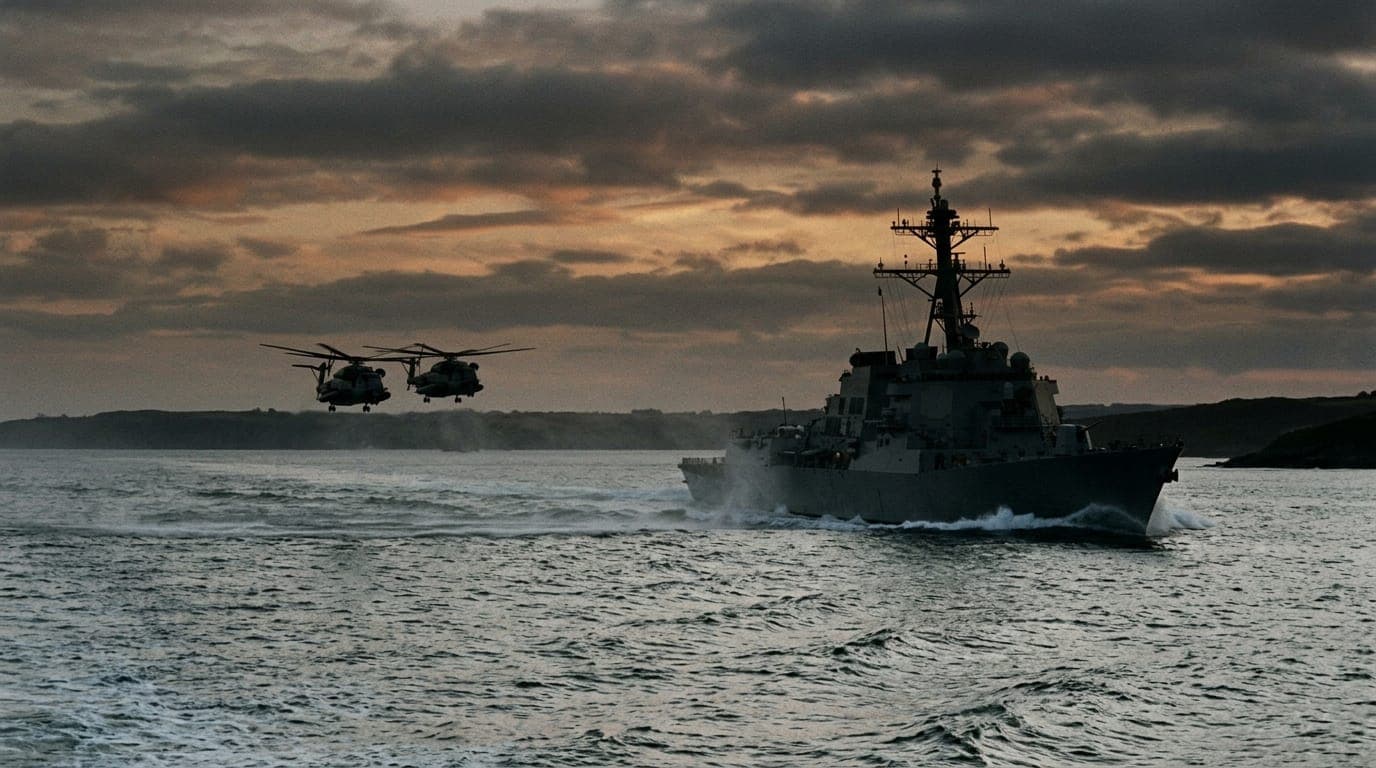
The Trump administration's ceasefire with Iran is structured around energy economics first, diplomacy second, and the vice president just said so out loud.
Key takeaways
- VP JD Vance confirmed on record that the US is using the Iran MoU to "refill the world's oil economy" and then "see where the hand is," with both a permanent deal and resumed military action "very much in play."
- Trita Parsi of the Quincy Institute reports that Tehran now reads Vance's comments as confirmation the ceasefire is a stalling tactic, reinforcing an emerging Iranian consensus that Israel will restart the war before its October Knesset elections.
- For Bitcoiners: oil-supply normalization is near-term disinflationary and gives the Fed more room to cut, but the MoU's duration appears contingent on supply targets and Israeli politics, not Iranian compliance, making this managed instability rather than resolved risk.
VP JD Vance told The Michael Knowles Show (Ep. 2005), published June 30, that the Trump administration's explicit purpose for the US-Iran Memorandum of Understanding is to "refill the world's oil economy, to refill some stocks, and then to see where the hand is," which reads less like a diplomatic mission statement and more like a supply-chain operation with a military option held in reserve.
Antiwar.com first reported the comments in text form the following day, July 1.
What Vance Actually Said
Vance laid out two explicit tracks. First: a long-term deal contingent on Iran making verifiable behavioral changes. Second: "banking our wins" from the prior military campaign and "doing things on top of that if the president feels that we have to."
His words: "Both of those options are very much in play."
Host Michael Knowles summarized the message to Iran as: the US will serve its self-interest by replenishing oil stocks and then get back to Tehran in 60 days, possibly with "fire and brimstone." The 60-day figure is Knowles' framing, not a confirmed administration timeline. Vance did not dispute the characterization. His response: "And if you actually behave, you won't, right?"
That exchange is the most important thing Vance said. The ceasefire's continuation is explicitly conditional, and the condition is Iranian behavior, not a locked-in diplomatic calendar.
Tehran Is Reading the Same Transcript
Trita Parsi, co-founder and Executive VP of the Quincy Institute for Responsible Statecraft, published an analysis on July 1 documenting the view inside Iran's national security establishment: Israel will restart the war before its October Knesset elections, and Vance's comments are accelerating that conclusion.
"Will Israel restart the war with Iran before the October elections? This is the consensus view emerging within Iran's internal national security debate over the past week," Parsi wrote.
Parsi points to two compounding factors beyond Vance's remarks: a new Israeli-Lebanese agreement that allows Israeli forces to remain in southern Lebanon until Hezbollah disarms, which Tehran reads as contravening the MoU, and Iranian officials' claim that they used roughly 40% of their offensive capabilities in the prior conflict because Hezbollah absorbed much of the load. That is an Iranian officials' claim as summarized by Parsi, not an independently verified military assessment.
The picture that emerges: both sides are treating this ceasefire as temporary.
Drop Site News (@DropSiteNews) amplified the story on X on July 1.
The Oil and Monetary Order Implications
The wires are running this as a diplomatic story. The more consequential read is as an energy and monetary-order story.
If the MoU holds long enough to push Iranian barrels back into global supply and refill strategic reserves, the result is disinflationary pressure on energy prices. That gives the Fed more political room to cut rates. Looser financial conditions are near-term risk-on for Bitcoin. But that same dynamic delays the sovereign debt reckoning that drives structural Bitcoin demand. Near-term tailwind, structural-timeline extension.
The bigger signal is the MoU's explicit fragility. Vance did not say the military option is off the table. He said it is "very much in play." If Israeli domestic politics create an incentive to restart the conflict before October, the Strait of Hormuz risk snaps back instantly. An oil shock of that magnitude, with no supply buffer in place, is a stagflationary scenario: bad for equities, bad for bonds, and historically the environment where hard assets without counterparty risk absorb the panic. TFTC has covered the energy shock structural repricing this dynamic threatens, and the Hormuz blockade scenario in detail.
There is also a petrodollar dimension. The US deploying a ceasefire specifically as an oil-restocking mechanism signals that the administration is worried about what a sustained energy shock does to dollar hegemony. The petrodollar system requires Gulf pricing in USD, and that system is stressed when supply instability hands BRICS alternatives a negotiating lever. The MoU buys a reprieve. It does not fix the underlying fragility.
The honest read of Vance's candor: the Middle East energy system is being managed on a rolling 60-to-90-day horizon with a live military option in reserve. That is not stability. Bitcoiners should treat it accordingly.
What to Watch
The falsifiable version of this thesis: if the Trump administration tables a full nuclear framework with Iran within the next 60 to 90 days that includes verifiable uranium enrichment caps and does not require a prior oil-stockpile benchmark, the oil-buffer interpretation collapses and this is a genuine détente with energy normalization as a secondary effect. Absent that, the MoU's duration is determined by supply targets and Israeli political calendars, and the inflation trap that follows an oil shock remains the operative risk scenario.
The specific terms and signing date of the MoU are not yet public. Those details, if and when they surface, will either confirm or complicate Vance's framing.
Update, July 2, 2026
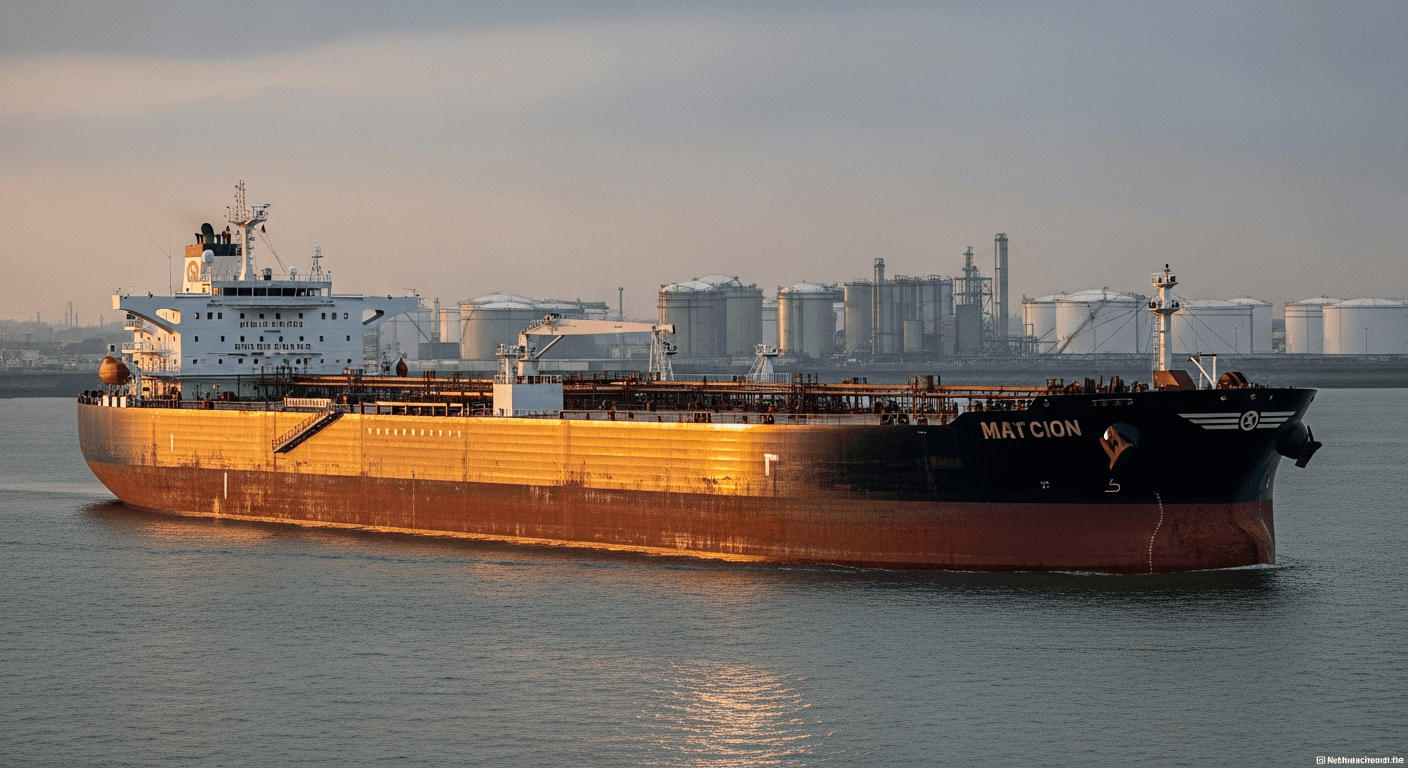
The MoU's oil-restocking thesis is running into a hard operational wall. According to Vortexa data cited by ZeroHedge, more than 58 million barrels of Iranian crude and condensate were on the water as of July 1, with over 90% showing no clear destination -- vessels listing "for orders" or Singapore, a signal they are hunting for ship-to-ship transfers in the Malacca Strait rather than confirmed buyers.
The demand gap traces directly to China. China's imports of Iranian crude more than halved in June to about 654,000 barrels a day from a month earlier, according to Kpler.
Demand from Chinese independent refiners -- Iran's main customers before the conflict -- has been muted as the sector's run rates crash to a nine-year low, while China's state-owned refiners have also stayed on the sidelines, citing concerns over the ability of banks to finance any deals. India is not filling the gap either: Indian Oil Minister Hardeep Puri met his Iranian counterpart in New Delhi but stopped short of committing to imports, with India's state-run processors avoiding Iranian oil for now because they have already secured Russian crude supplies through at least the end of August, and are still seeking clarity from Washington over US-dollar-denominated payments.
A failure to quickly sell the crude will not only deprive Tehran of much-needed revenue but will weaken its hand in the ongoing negotiations with Washington -- and Iran has until mid-August to find buyers after the US lifted sanctions in mid-June. That deadline pressure lands squarely on top of the Israeli political calendar risk the existing article flagged. The practical takeaway: the disinflationary supply normalization Vance described as the MoU's purpose is not yet materializing in actual cleared barrels. Geopolitical deal-making and market mechanics are running on separate tracks, and the clock on General License X is ticking.
Update, August 5, 2026
The Hormuz file is moving fast. Trump told reporters Tuesday night that negotiations with Iran were "moving along very nicely" and gave a 48-hour window on whether a deal was imminent.
Treasury Secretary Scott Bessent went further, saying an agreement could come as early as "today or tomorrow," with diplomatic sources in Tehran also suggesting a deal was possible by end of Wednesday.
According to Axios, the US, Iran, and Oman are closing in on an interim agreement to reopen the strait, with Washington aiming for a Wednesday announcement.
The structural terms of any deal are where the monetary implications land. Iranian officials said the agreement would be drafted to preserve Tehran's ability to enforce control over the strait, retaining leverage it did not possess before the war. A senior Iranian source told Reuters that Tehran would maintain influence over the outbound lane in addition to full control of the inbound route near Iran's coast, with "visibility" over vessels leaving the Gulf and the ability to intervene when necessary, while Omani authorities would formally issue exit permits with Iran notified.
Experts told MS NOW that the arrangement as described would likely give Tehran greater control of the strategic waterway than it had before the war, something the Trump administration has publicly vowed to prevent.
The US and Iran are publicly describing the same process in contradictory terms. Oman is mediating the discussions, with US officials saying Washington is involved while Iran maintains it is negotiating with Oman rather than directly with the US.
US officials say Washington wants total freedom of commercial navigation without Iranian tolls or any arrangement requiring ships to obtain Tehran's approval before transit, with a US official telling the Associated Press that any temporary arrangement would not involve Iranian approval or charges. That public stance and the draft terms Iran is describing cannot both be true. Meanwhile, the possibility of a deal has already pushed Brent crude below $79 a barrel, the first time prices have fallen below $80 since before hostilities resumed. That is the disinflationary signal Vance described as the MoU's purpose, now showing up in the futures strip before a single barrel clears the strait under any new arrangement.
Update, August 7, 2026
The terms of the Iran-Oman framework have now surfaced in Iranian state media, and they go well beyond what the August 5 update described. Iran's parliament is reviewing a plan to ban ships linked to the US, Israel and other "hostile countries" from transiting the Strait of Hormuz until Tehran is compensated for war damage. On top of the vessel ban, Iran would charge a fee of up to 7% of the value of a ship's cargo and impose a fine of up to 20% of that value if these conditions are broken.
Iranian state media quoted the Foreign Ministry as saying that ships would enter through the strait's northern corridor near the Iranian coast and exit through the southern corridor near the Omani coast.
The US publicly rejected the terms. The US appeared to quickly reject the terms under consideration, with a US official stating "any temporary routes will be without any impediments, meaning no approvals or permissions and no tolls or charges." That is a direct contradiction of the framework Iran is describing, and both sides are claiming the same negotiating table. Oman has not commented, and the Trump administration has disputed Iran's characterization of the agreement. Meanwhile, Trump has privately complained that reports of the Pentagon's dwindling munitions stockpile make the US appear weak in negotiations, while publicly claiming the US has "massive amounts" of munitions.
The structural read here is straightforward. Iran is codifying into parliamentary legislation the exact Hormuz control architecture the Trump administration said it would prevent. Until the US-Israeli war against Iran, the Strait of Hormuz was open, with about 25% of the world's seaborne oil trade and 20% of global LNG passing through it. A permanent framework that bars US and Israeli vessels while charging tolls on everyone else reshapes the energy transit order that has underwritten dollar demand for decades. The disinflationary supply normalization Vance described as the MoU's entire purpose cannot materialize under terms that keep the world's most critical oil chokepoint under Tehran's effective toll booth.
Update, August 10, 2026
Iran's Supreme National Security Council secretary Mohammad Bagher Zolghadr has now made explicit what the prior update only implied: the strait will not reopen until Washington lifts its naval blockade, pays Iran war damages, unfreezes Iranian assets, lifts sanctions, and permanently ends the conflict against Iran and its regional allies. That is not a negotiating opening bid buried in back-channel communications. It is a published state-media list of prerequisites issued by the top security official.
The IRGC has simultaneously driven a wedge between the Iran-Oman technical track and the broader reopening question. IRGC spokesman Sardar Mohbi stated that "the reopening of the Strait of Hormuz is subject to the specific mechanism and conditions of the Islamic Republic of Iran and has nothing to do with the negotiations between Iran and Oman." That splits the two tracks deliberately: Iran can reach a lane-coordination agreement with Oman and pocket it as a tactical win while keeping the strait functionally closed pending US capitulation on blockade removal, reparations, and sanctions relief.
Iranian Foreign Minister Abbas Araghchi confirmed Sunday that there are no ongoing negotiations between Tehran and Washington, adding that "the intermediaries are still making efforts to find ways to resume negotiations." Bessent called a deal possible by Wednesday five days ago. The gap between that timeline and where things stand today is the real market signal: Iran is using the Oman technical process as cover to extract maximum concessions before a single commercial tanker clears the strait under any new arrangement, and the clock on cleared barrels keeps running.
Update, September 11, 2026
A six-member bloc of Gulf states are considering meeting with Iranian officials to discuss the future of the Strait of Hormuz, in what would be the first gathering with the Islamic Republic since the war erupted more than six months ago.
Oman is aiming to get foreign ministers from the Gulf Cooperation Council and Iran together on Monday in Salalah , with the Financial Times reporting the initiative is an Omani push to secure GCC buy-in for a temporary shipping management framework. The meeting is not confirmed, and worsening hostilities between Saudi-backed forces and the Houthis may complicate plans, with it also unclear whether all GCC members including Saudi Arabia, the UAE, and Qatar will attend.
The diplomatic opening is happening under live fire. The US military attacked two Iranian government tankers as part of a round of strikes in early September, the first time US forces struck Iranian tankers in retaliation for Iranian attacks on ships in the strait rather than to prevent blockade violations, under a new "tanker for tanker" policy approved by President Trump. Iran answered in kind. The US and Iran escalated tit-for-tat attacks, with Washington targeting Iranian oil tankers and Tehran hitting tankers and firing a ballistic missile towards US warships patrolling near the strait, with experts calling Iran's targeting of two US aircraft carriers a "calculated escalation."
The economic pressure on Gulf states is making the Salalah meeting a matter of fiscal necessity, not just diplomacy. Saudi Arabia and the UAE have managed to use pipelines to bypass the chokepoint for a large chunk of crude exports, but the effective closure is still hurting their economies, with Qatar announcing its biggest fiscal deficit in almost a decade in Q2 and Saudi Arabia's economy contracting in the same period.
Trita Parsi noted on X that with Trump struggling to rally his base ahead of November midterms, Tehran has no reason to back down, seeking to impose a steep economic and political cost on Washington. The structural read is unchanged: Iran is using Hormuz as a wartime bargaining chip, the Gulf states need the strait open to stop the fiscal bleeding, and the US is now explicitly destroying Iranian tankers to change the calculus. Whether Monday's Salalah meeting produces a durable framework or collapses under the weight of active kinetic exchange is the only question that matters for near-term energy prices.
Update, September 19, 2026
Iran's Supreme National Security Council has moved the diplomatic channel from back-channel signaling to a formal submission. Tehran announced Saturday that its Supreme National Security Council has submitted its conditions for ending the war with the United States via Qatar, with council secretary Mohsen Rezaei stating: "We are in contact with the Qatari intermediary who conveyed our conditions to Washington to end the war, and we are awaiting a response from President Trump."
The stated conditions cover "the end of the war on all fronts, the release of frozen assets and the end of the naval blockade." Rezaei also explained that "Iran has become convinced of the need to change its strategy towards Washington following the US withdrawal from the memorandum of understanding."
Qatar and Pakistan have both been working to re-establish negotiations since the MoU expired last month.
Rezaei warned that if Washington does not comply, the Islamic Republic is ready for a "decisive war."
The submission lands while Hormuz leverage dynamics are quietly expanding. The Houthi advance along the Red Sea coast has extended Iranian influence to within striking range of the Bab al-Mandab Strait, with Iranian advisers likely coordinating with the Shia Ansar Allah movement as it battles the Saudi coalition -- a second chokepoint now implicitly in the negotiating frame. Trump has not yet responded publicly. The binary here is clean: acceptance collapses Hormuz and Red Sea risk premia simultaneously; rejection puts both straits and roughly 30% of global seaborne energy flows back in play as a coordinated pressure tool.
Sources
Frequently Asked Questions
What is the US-Iran MoU and what does it require Iran to do?
The MoU is the agreement that ended active US-Iran military hostilities. Its specific terms and verifiable milestones have not been made public. Vance described the US intent as using the agreement to refill global oil supplies before deciding on next steps, but the precise commitments Iran made under the MoU are not yet available in any official disclosure.
Could the Strait of Hormuz be closed again, and how quickly would that hit oil prices?
Vance explicitly left the military option open, and Parsi documents that Tehran expects Israel to restart the conflict before October Knesset elections. A return to active hostilities would immediately resurrect Strait of Hormuz closure risk. According to the US Energy Information Administration, oil flow through the strait averaged around 20% of global petroleum liquids consumption. A closure scenario would be an immediate supply shock with no buffer in place if the current restocking window is interrupted.
Why would Israel restart the war before its own October elections?
Parsi's argument, based on Tehran's internal read, is that Israeli domestic politics create an incentive for Netanyahu to resume hostilities before those elections, scheduled by October 27, 2026 for the Knesset, per Israel's Central Elections Committee. The full case is laid out in Parsi's Substack post. The Israeli-Lebanese agreement's terms, which require Hezbollah to disarm before Israeli forces withdraw from southern Lebanon, are a separate friction point Tehran views as incompatible with the MoU's intent.