Turkey Dumps 89% of U.S. Treasuries in One Month While Deepening Russia Ties
Turkey liquidated nearly 89% of its U.S. Treasury holdings in a single month, recorded $13.98B in net sales per official TIC data, locked in $9B in new Russian nuclear financing, and passed the most aggressive capital-attraction tax regime in emerging market history. Each move has a cover story
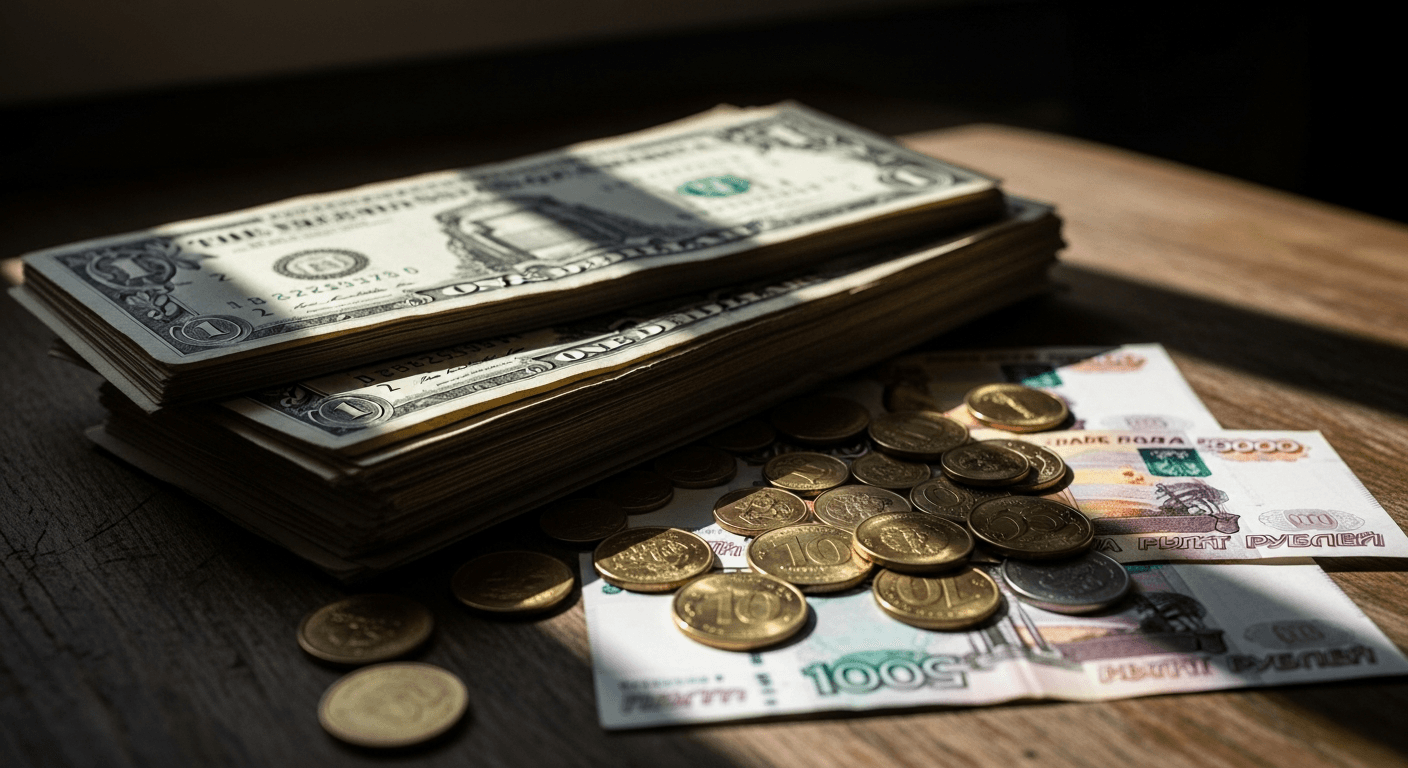
Turkey's three-move break from the dollar order: fire-sale the debt, lock in Russian energy, poach Gulf capital with zero taxes.
Key takeaways
- Turkey recorded $13.98B in net U.S. Treasury sales in March 2026, cutting total holdings from $15.72B to $1.78B in a single month, per official U.S. Treasury TIC data released May 18, 2026.
- Simultaneously, Ankara deepened its Russian energy dependency: Rosatom's Akkuyu nuclear plant received $9B in new Russian financing, with $4-5B expected to deploy in 2026 alone, per Turkish Energy Minister Alparslan Bayraktar.
- Turkey's parliament passed a sweeping fiscal incentive package including 0% income tax on foreign earnings for 20 years and a 1% flat inheritance tax, directly targeting mobile capital displaced from Gulf financial hubs by the Iran conflict.
Turkey liquidated nearly 89% of its U.S. Treasury holdings in a single month, per U.S. Treasury TIC data released May 18, 2026. Total holdings fell from $15.72B in February to $1.78B in March, with net sales of $13.98B attributed to Turkish residents. That is a country going from a significant sovereign creditor of the United States to a rounding error in thirty days.
The official framing is lira defense. The Turkish central bank burned through nearly $60B in foreign exchange reserves during peak currency pressure in late March, and the Treasury sell-off fits the mechanics of emergency liquidity management. That explanation is incomplete.
Three Moves, One Direction
Nations under pure liquidity stress sell what they must and rebuild when pressure eases. Turkey's concurrent policy moves point somewhere else.
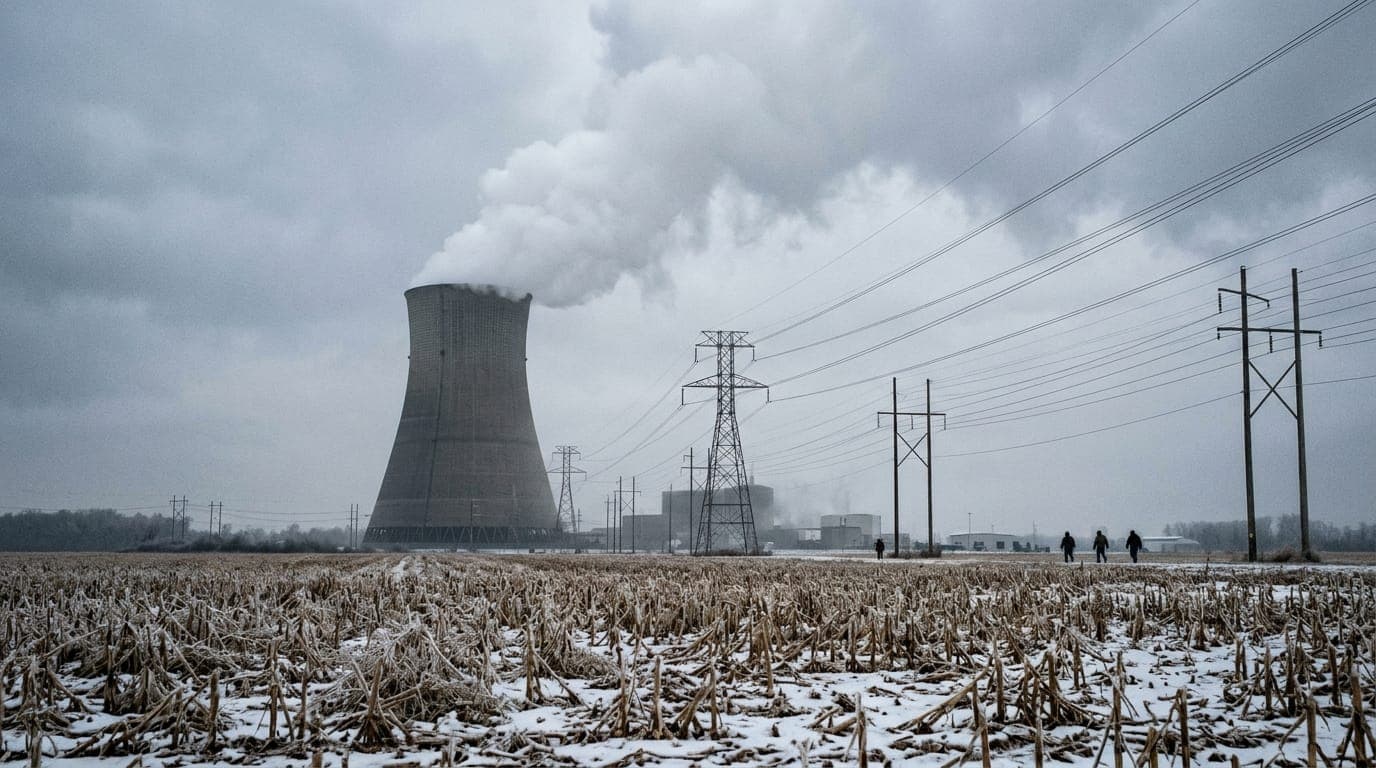
In December 2025, Energy Minister Alparslan Bayraktar announced $9B in new Russian financing for the Akkuyu nuclear power plant, the Rosatom build-own-operate project on Turkey's Mediterranean coast. Bayraktar stated plainly: "This will most likely be used in 2026-2027. There will be at least $4-5 billion from there for 2026 in terms of foreign financing." The structure of the deal matters as much as the dollar figure: under the 2010 agreement, Rosatom retains ownership of the plant, not Turkey.
When Akkuyu's four VVER reactors come online, Turkey will not own its own nuclear baseload. Moscow will.
Then came the fiscal package. Turkey's Grand National Assembly passed a sweeping incentive bill around May 21, 2026, awaiting presidential signature as of late May. The confirmed provisions include 0% income tax on foreign-source earnings and capital gains for 20 years (for new tax residents with no Turkish residency in the prior three years), a flat 1% inheritance tax down from a progressive scale reaching 30%, citizenship from $400,000, and full corporate tax exemption on Istanbul Financial Centre transit trade income.
The timing is not accidental. The Iran conflict disrupted Gulf Cooperation Council financial hubs, and Istanbul is positioning to absorb capital that no longer has a clean home in Dubai.
These three moves, Treasury liquidation, Russian nuclear dependency, aggressive capital-attraction tax reform, share a direction. Turkey is building financial and energy infrastructure outside the dollar system.
What the Math Shows
Turkey's $13.98B one-month net sale represents roughly 0.15% of the total foreign-held Treasury market. In nominal terms, that sounds contained. In behavioral terms, it is not: Turkey went from a top-30 holder to a statistical footnote in a single reporting period. The speed is the signal.
For context on what sovereign debt fragmentation looks like as a process rather than an event, Turkey's move sits alongside a broader pattern of middle-power sovereigns quietly reassessing the cost of dollar-denominated deference. The Russia frozen-asset dispute running through European courts is part of the same ledger: dollar and euro-denominated assets held by sovereigns now carry political risk that did not exist five years ago.
The thesis here is falsifiable. If Turkey rebuilds its Treasury position to pre-March levels within two to three quarters and does not sign the fiscal reform package into law, the March sell-off reads as emergency reserve management, nothing more. The data to watch: TIC reports for April 2026 (released June 18) and May 2026 (released July 14), and whether the tax law clears Turkey's Official Gazette.
What Bitcoin's Fixed Supply Has to Do With Istanbul
The mobile wealth flowing out of the Gulf does not have an obvious destination. Istanbul is one answer. It requires a citizenship application, a geopolitical bet on Erdogan's staying power, and a 20-year time horizon to collect the full tax benefit.
Bitcoin is another answer. No application, no counterparty, no dependency on whether Ankara and Moscow stay aligned for two decades. Every time a credible middle-power peels away from the Treasury market, the universe of "safe" sovereign stores of value shrinks.
The April and May TIC reports will show whether Turkey is rebuilding its position or holding at near-zero. Either answer is informative.
Sources
- U.S. Treasury TIC System, Major Foreign Holders Data
- U.S. Treasury TIC Press Releases
- Turkish Ministry of Energy readout cited by Reuters, December 2025, statement by Minister Alparslan Bayraktar on Akkuyu financing
- Turkish Grand National Assembly, fiscal incentive package, passed approximately May 21, 2026; awaiting presidential signature as of late May 2026
Frequently Asked Questions
Why did Turkey dump U.S. Treasuries so fast, is it lira defense or something more?
Both reads are supported by the data. The Turkish central bank did burn through roughly $60B in FX reserves during the March lira pressure episode, and selling liquid dollar assets is standard emergency reserve management. What makes the March move harder to dismiss as purely mechanical is the concurrent policy direction: locking in Russian nuclear financing and passing a zero-tax regime to attract non-dollar capital flows are not moves a country makes if it expects to re-integrate tightly with the dollar system. Watch the April and May TIC data for whether Turkey rebuilds its position.
What is the Akkuyu nuclear plant and why does the ownership structure matter?
Akkuyu is Turkey's first nuclear facility, under construction in Mersin province on the Mediterranean coast. It features four VVER-1200 reactors with a combined capacity of approximately 4,800 MW. The critical detail is the 2010 build-own-operate agreement: Rosatom, the Russian state nuclear company, builds and retains ownership of the plant.
Turkey receives electricity, not an asset. The $9B in new Russian financing announced in December 2025 deepens that structural dependency. Turkey cannot simply walk away from the arrangement without losing a significant share of its future electricity supply.
How does Turkey's new tax package compare to the UAE zero-tax model?
The UAE offers 0% personal income tax with no time limit, though tax residency requires meeting a day-count threshold of at least 180 days in the relevant year. Turkey's new regime offers 0% on foreign-source income and capital gains for 20 years, but only for individuals who have not held Turkish tax residency in the prior three years. The inheritance tax cut to a flat 1% is a meaningful differentiator: the UAE levies no inheritance tax.
Turkey is targeting a specific population: internationally mobile, foreign-earning individuals recently displaced from Gulf hubs, with a finite window and a domestic real estate market as the asset play underneath it.