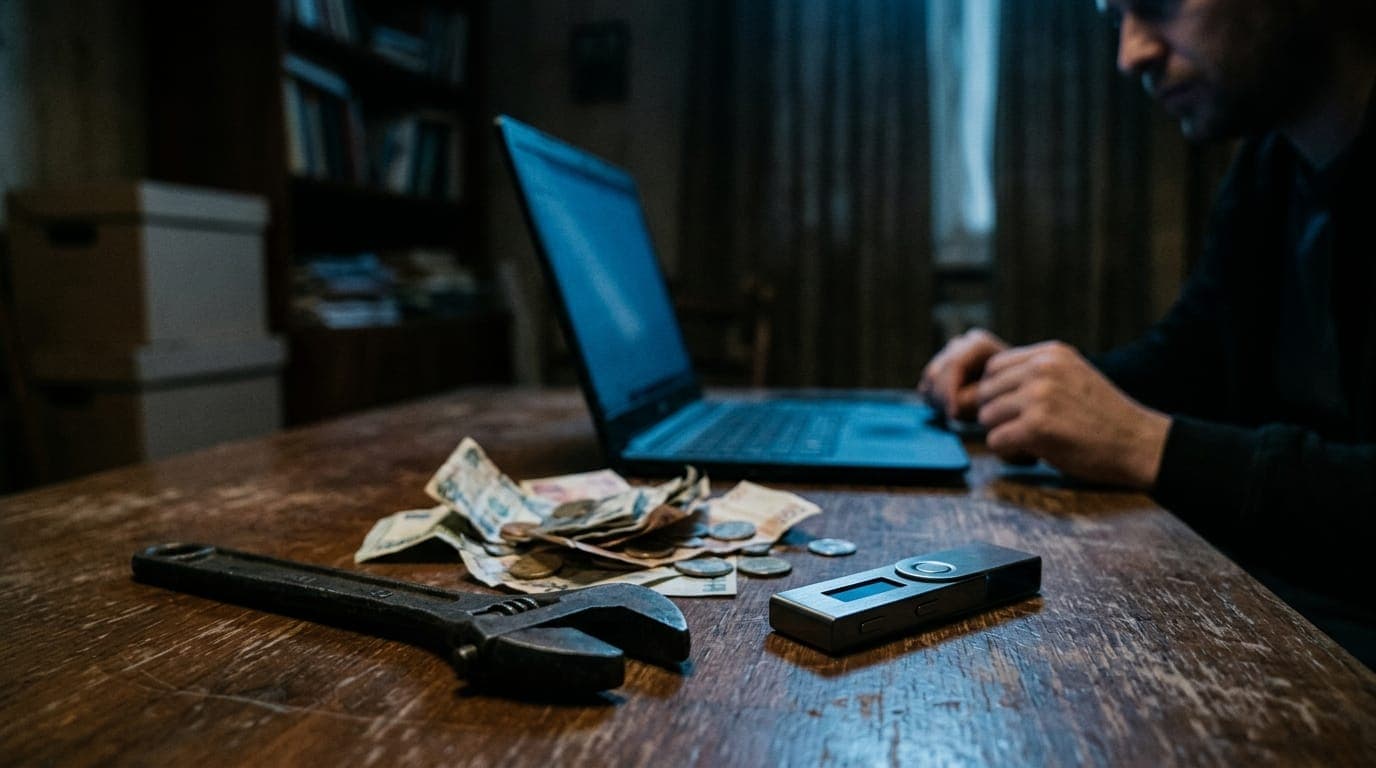
Russia Schedules Final Vote on Crypto Law That Routes Around SWIFT
Russia's State Duma is scheduled to pass its first comprehensive crypto law on July 21. The bill legalizes crypto for cross-border trade settlements explicitly to route around Western sanctions, while banning domestic use and corralling retail investors behind a Bank of Russia licensing wall.
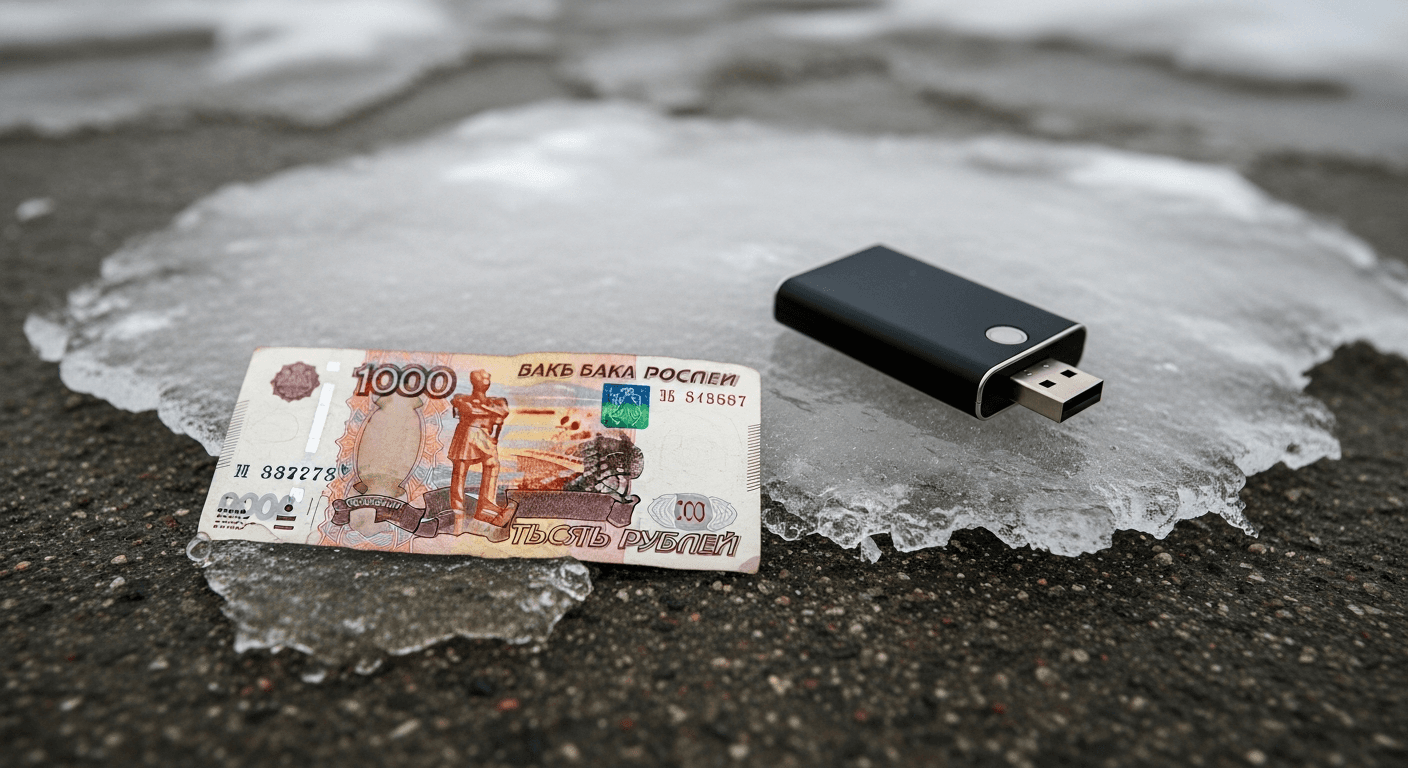
Russia's Duma is one day away from passing a law that writes sanctions evasion into the legislative record, caps ordinary Russians out of Bitcoin, and hands every other sanctioned state a working template.
Key takeaways
- Russia's State Duma has scheduled second and third readings of bill 1194918-8, "On Digital Currency and Digital Rights," for July 21; if signed by Putin, core provisions take effect September 1, 2026.
- The bill explicitly permits crypto for cross-border trade settlements to bypass Western sanctions while banning crypto for any domestic payment and capping non-qualified retail investors at roughly 300,000 rubles (~$3,800) per year through Bank of Russia-licensed intermediaries.
- State Duma Financial Markets Committee chairman Anatoly Aksakov confirmed the vote schedule to RBC; a lawmaker stated on the record at first reading that the bill lets Russian companies pay foreign counterparties in crypto "circumventing sanctions restrictions."
Russia's State Duma is set to hold second and third readings of bill 1194918-8 on July 21, per Aksakov's comments reported by RBC. The bill, titled "On Digital Currency and Digital Rights," passed its first reading on April 21 with 327 of 340 deputies in favor. If it clears the Federation Council and receives Putin's signature, the framework takes effect September 1, 2026, with unlicensed platforms facing a ban one year later on July 1, 2027.
The Financial Market Committee cleared the bill text on July 8. The Russian government submitted the bill on April 1.
What the Law Actually Does
The architecture is narrow by design. Crypto is authorized solely for international trade settlements, routed through five categories of licensed participants: exchanges, brokers, management companies, depositories, and exchangers. The Bank of Russia serves as the licensing authority. The ruble remains the only legal domestic payment currency; crypto cannot be used to buy goods or services inside Russia.
The retail caps are the clearest tell about who this law is actually for. Non-qualified investors are limited to roughly 300,000 rubles (~$3,800) per year through a single intermediary. Qualified investors face a 3 million ruble purchase cap.
These are capital controls with a new label, designed to funnel ordinary Russians into ruble-denominated assets while exporters and oligarchs access the cross-border settlement utility. The custodial intermediary requirement means the state holds the veto at every transaction point.
Kaplan Panesh, deputy chairman of the State Duma Committee on Budget and Taxes, said at first reading in April 2026 that the bill "allows Russian companies to use cryptocurrency to pay foreign counterparties, circumventing sanctions restrictions." That is the stated purpose, in the legislative record, attributed to a named committee official.
The Second-Order Effects
The significance here extends past Russia's balance of payments. Russia is writing "circumventing sanctions restrictions" directly into statute, which gives every other sanctioned or semi-sanctioned economy (Iran, Venezuela, their trade partners across ASEAN and the BRICS corridor) a sovereign-level proof-of-concept to benchmark against. The shadow fleet and Indian oil import workarounds have already shown that physical commodity flows can route around Western enforcement. This law codifies the financial rail.
The dollar's reserve status depends on the world clearing trade through USD-correspondent networks. Russia is replacing the dollar rail with Bitcoin and crypto settlement infrastructure as the proposed substitute. Every incremental volume that moves through that alternative rail is structural demand removed from the dollar system, not cyclical noise.
Russia is also a top-five Bitcoin mining country. Domestically mined Bitcoin flowing into export settlements, per Finance Minister Siluanov's earlier statements, is now being codified into a formal legal framework. The loop between Russian energy production, Bitcoin mining, and geopolitical trade tightens with each legislative step.
The falsifiable version of this thesis: if Western secondary sanctions enforcement successfully chokes Russia's crypto off-ramp infrastructure such that the law produces no measurable increase in sanctioned trade volumes by Q1 2027, the framework is symbolic, not structural. The binding constraint is whether counterparties at the destination are willing to accept funds from sanctioned entities and convert them into usable fiat or goods without triggering secondary sanctions exposure from Western enforcers. The law creates the legal permission; the off-ramp infrastructure determines whether it works at scale.
What to Watch After July 21
If the Duma passes the bill on schedule, it moves to the Federation Council and then to Putin for signature. Watch whether the September 1 effective date holds or slips again (the original target was July 1). The more actionable signal will be which counterparties, in which jurisdictions, begin routing trade through Bank of Russia-licensed crypto venues in Q4 2026. Volume data, not the law's passage, is the confirmation.
Sources
- Bill 1194918-8, State Duma legislative record
- Aksakov quote: per Aksakov's comments reported by RBC
- Finance Ministry volume estimates: attributed to Finance Ministry, reported by crypto.news, February 2026
- Pilot program context: attributed to Finance Minister Siluanov statements, reported by multiple outlets
Frequently Asked Questions
Will this law make Bitcoin legal tender in Russia?
No. The bill explicitly maintains the ruble as Russia's only legal domestic payment currency. Crypto is authorized solely for cross-border trade settlements through licensed intermediaries. It cannot be used to buy goods or services inside Russia.
Which cryptocurrencies will qualify under the Russian framework?
The bill does not name specific assets. Bitcoin and Ethereum are widely cited as likely first approvals given their market cap and trading history, but the asset eligibility criteria have not been independently confirmed against the bill text at sozd.duma.gov.ru/bill/1194918-8. Treat any specific threshold figures as unconfirmed until the bill text is fully translated and verified.
Can Western sanctions enforcement stop Russia from using crypto for trade?
On-chain transfers work today regardless of sanctions. The actual chokepoint is the off-ramp layer: converting crypto into usable fiat or commodities at the destination requires counterparties willing to accept sanctioned-origin funds, and those counterparties face secondary sanctions exposure from Western enforcers. The law creates the legal framework on Russia's side. Whether it produces meaningful trade volume depends on Russia building reliable conversion infrastructure faster than Western regulators can restrict it.