

In a recent wave of headlines, the practice of intermittent fasting has come under scrutiny, with various media outlets suggesting it could pose a serious risk to heart health. However, Dr. Ken Berry, a family physician, urges caution before accepting such claims. In a video addressing the issue, Dr. Berry reveals that the data sparking these concerns is not from a peer-reviewed study but a poster presentation at an American Heart Association (AHA) event.
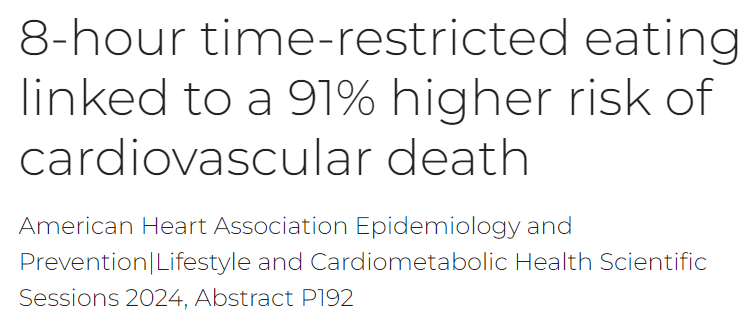
This preliminary information is based on the National Health and Nutrition Examination Survey (NHANES) data collected from 2003 to as late as 2018. Dr. Berry notes that during the early years of this data collection, intermittent fasting was not a widely recognized practice. He asserts that the data likely includes individuals who skipped meals for various reasons unrelated to intentional fasting, such as economic hardship or stress.
The poster presentation reports a hazard ratio of 1.91% for cardiovascular death related to fasting for 16 or more hours daily, which translates to a 91% relative increase. However, Dr. Berry criticizes this figure, stating that in most scientific disciplines, a hazard ratio below two is typically dismissed as insignificant. He also highlights the use of food frequency questionnaires in the NHANES data, a method he claims is notoriously unreliable for dietary research.
Dr. Berry's most significant concern is the AHA's decision to issue a press release on the findings, which he finds premature and potentially misleading given the data's unveted status. He suggests that the AHA's actions could be influenced by financial ties to the food and pharmaceutical industries, though he also entertains the possibility that there may be no clear rationale for their decision.
In conclusion, remain skeptical of announcements from organizations like the AHA, especially when the research has not undergone rigorous peer review.