IDF Chief Cancels US Trip Over 'Sensitive Security Situation' as Iran Axis Heats Up
IDF Chief of Staff Lt. Gen. Eyal Zamir canceled a planned mid-October Washington visit on Sept. 30, citing a sensitive security situation and full-spectrum heightened alert, a decision made before Netanyahu's pre-election threat warning went public.
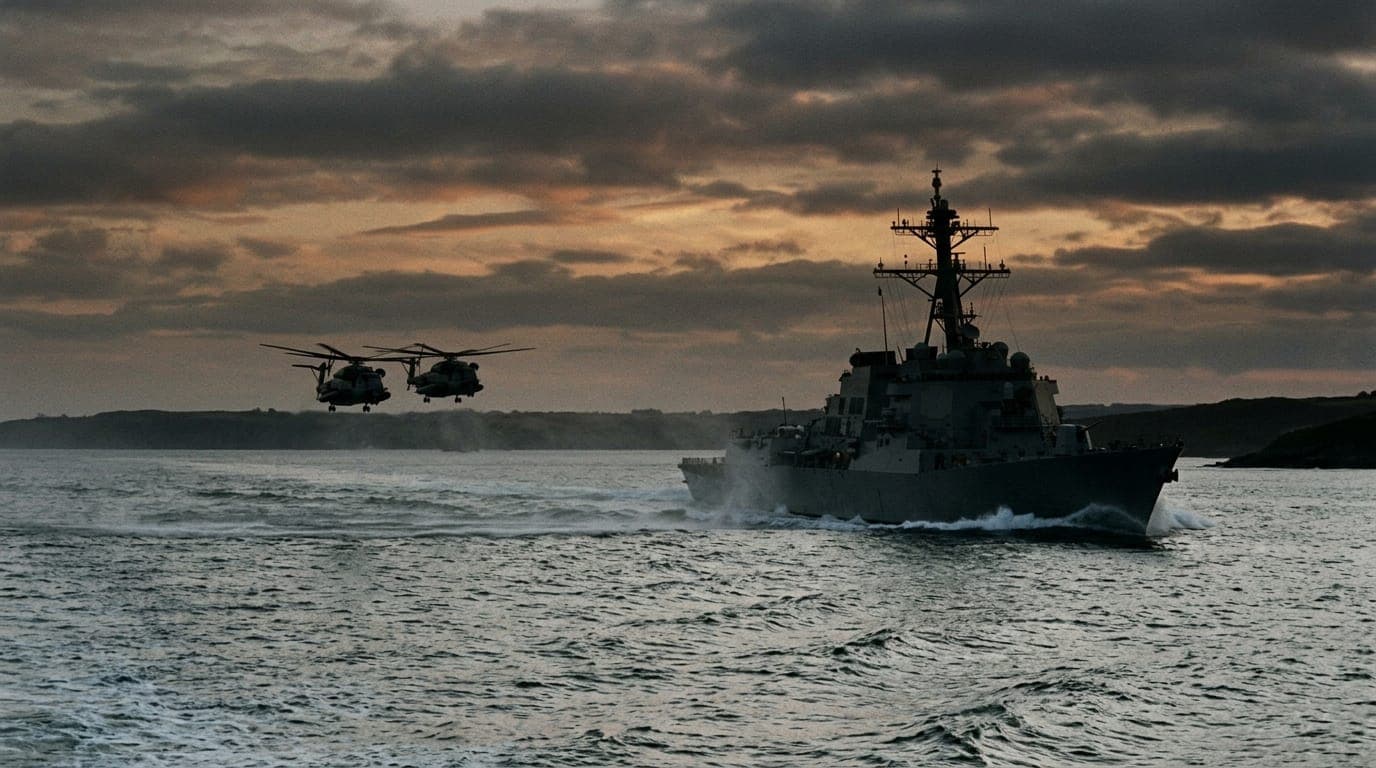
The IDF's force posture is telling a different story than Netanyahu's pre-election rhetoric.
Key takeaways
- IDF Chief of Staff Lt. Gen. Eyal Zamir canceled a planned mid-October Washington visit on September 30, citing a "sensitive security situation" and heightened readiness across all IDF operational sectors.
- The cancellation decision was made before Prime Minister Netanyahu's public statement warning of pre-election attacks, separating military judgment from political theater.
- Scrubbed meetings with CENTCOM and the Joint Chiefs were specifically focused on Iran coordination, making this a material signal on the Israel-Iran axis at a moment when the region is already under stress from a 2026 Hormuz crisis.
IDF Chief of Staff Lt. Gen. Eyal Zamir canceled a planned mid-October trip to the United States on Wednesday, September 30, citing a "sensitive security situation" and the need to stay and manage full-spectrum heightened IDF readiness personally, per i24NEWS. A senior IDF official put it plainly: "You can't put the military on alert and fly abroad."
The scrubbed meetings were with the commander of U.S. Central Command and the Chairman of the Joint Chiefs of Staff. Both sessions were specifically focused on Iran coordination and preparations for regional developments.
The Military Judgment Came First
The timing detail matters more than any headline. The cancellation decision was made by the IDF's top echelon before Prime Minister Benjamin Netanyahu went on camera Tuesday, September 29, at Tel Nof Airbase and said: "We have indications that ahead of the elections our enemies will try to attack us. Don't mess with us, not now and not ever. Our long arm will reach you anywhere, anytime."
Multiple Israeli outlets, including i24 and Ynet, confirmed the sequence. Zamir's decision was not a response to the PM's statement. It preceded it.
Opposition leader Yair Lapid went straight at Netanyahu after a briefing, telling Al Jazeera: "Netanyahu ignored every warning before October 7, and now, 28 days before the election, he's suddenly busy fear-mongering." Israeli security officials privately questioned the public warning and, according to Israeli media reports, said there was no concrete intelligence linking an imminent attack.
Lapid's critique of Netanyahu's speech may be fair. It does not touch the IDF's force posture. Those are two separate things, and conflating them is where the market read goes wrong.
What the Force Posture Actually Signals
Netanyahu is running for reelection on October 27. His rhetoric should be discounted accordingly. Zamir is not running for anything. An IDF Chief of Staff who cancels CENTCOM coordination meetings because the ground situation won't let him leave the country is making a non-verbal declaration about readiness priorities.
The meetings that got canceled were specifically about Iran. This comes on top of an active 2026 Strait of Hormuz crisis that already disrupted global energy markets and a 2026 South Pars field attack that knocked out a significant share of Iranian gas production. The Israel-Iran axis is the live wire, not generic regional noise.
Defense Minister Israel Katz framed the stakes directly, per jFeed: "An Iranian attack on Israel will free Israel from any existing constraint in striking Iran." That is a declared escalation doctrine.
A kinetic escalation in the pre-election window, whether an Iranian retaliation, a Hezbollah action, or a miscalculation, risks a Hormuz closure or serious shipping disruption. That is an immediate oil shock. An oil shock hitting the Federal Reserve while it is already caught between sticky supply-shock inflation and slowing growth is the worst-case stagflation scenario.
Hard assets move first in that environment. Diesel crack spreads have already been signaling structural inflation stress. A Hormuz disruption would accelerate that.
Bitcoin's short-term correlation to geopolitical crisis hedging is inconsistent. The directional case strengthens every time the fiat system absorbs another shock it was not built to handle.
What to Watch Before October 27
The IDF's alert level is the indicator, not Netanyahu's speech cadence. If IDF operational units stand down from heightened readiness before the October 27 election date and Zamir reschedules the Washington trip within two weeks, the thesis collapses: the military over-rotated, Netanyahu ran a political play, and markets were right to shrug.
If the alert level holds or escalates, the CENTCOM coordination gap widens, and no rescheduled trip materializes, the signal is the opposite. The pre-election window is open. The powder keg is lit. Geopolitical shocks move fast, and self-custody does not go offline when the news breaks.
Sources
Frequently Asked Questions
Why did Zamir cancel the trip before Netanyahu's warning, not after?
The IDF's top leadership made the cancellation decision independently, based on ground-level readiness assessments. Multiple Israeli outlets confirmed the sequence: the military judgment came first, Netanyahu's public statement came the next day. The IDF's operational alert and the PM's political speech are correlated in timing but were not causally linked.
Does canceling the CENTCOM trip signal a breakdown in US-Israel military relations?
No, per reporting on the cancellation. The scrubbed meetings were about Iran coordination and regional readiness planning, not a diplomatic dispute. The reason given was that the IDF Chief needed to remain in Israel to manage heightened alert conditions directly. The coordination agenda itself confirms the depth of the relationship, which is why the cancellation of those specific meetings carries signal weight.
How does Middle East military escalation connect to Bitcoin?
The direct path runs through oil. Any kinetic escalation that threatens Strait of Hormuz shipping triggers an energy price shock. An oil shock in the current macro environment, with the Fed already navigating inflation and slowing growth, accelerates the stagflation pressure. Hard assets historically outperform in that scenario. Bitcoin's role as a crisis hedge is still inconsistent on short timescales, but the structural case for a fixed-supply, bearer asset strengthens every time the geopolitical and monetary system absorbs a shock it was not designed to handle.