

Cooking oils are a foundational ingredient in many kitchens, used for frying, sautéing, and dressing foods. However, not all oils are created equal. The type of oil used can have significant health implications, including effects on inflammation, weight management, and overall health outcomes. Therefore, it is crucial to understand which oils are beneficial and which should be avoided.
 Andy Schoonover
Healthy Cooking Oils
Saturated Fats
Saturated fats have been recommended as the most beneficial oils for cooking. Contrary to popular belief, these fats do not raise cholesterol levels. In fact, the human body naturally produces approximately 3000 milligrams of cholesterol daily, which dwarfs the amount consumed through food. Suggested sources of saturated fats include:
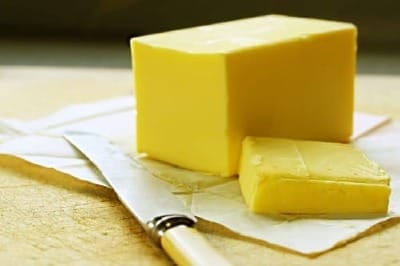
- Butter
- Lard

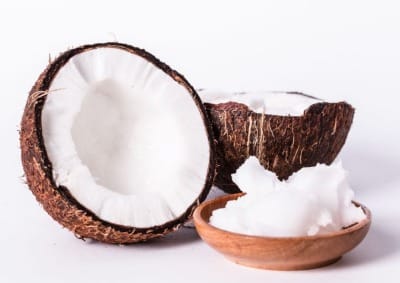
- Coconut oil
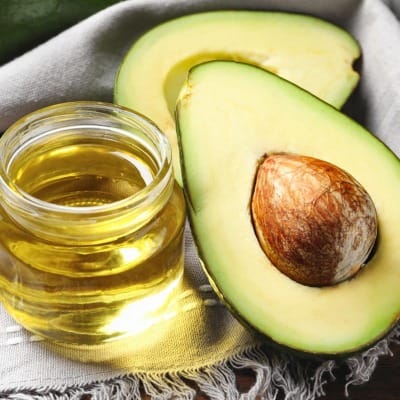
- Avocado oil (to a certain extent)
These oils are considered to contain good saturated fats, beneficial for the brain and body, and do not contribute to cholesterol concerns.
Monounsaturated Fatty Acids
Monounsaturated fats are also recommended for cooking, as they provide high-quality fats essential for cell membranes, brain tissue, and nerves. Examples of these oils include:
- Extra virgin olive oil

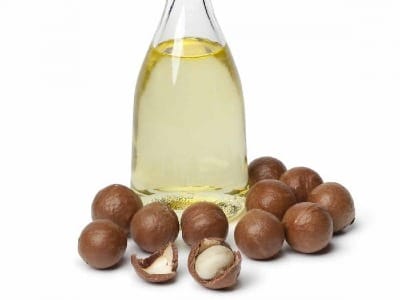
- Macadamia nut oil
- Avocado oil (also contains saturated fats)
These oils are a healthy choice and can be used safely in cooking.
Polyunsaturated Fatty Acids
Certain polyunsaturated fats are also acceptable for cooking. One such example is walnut oil, which is categorized as a good oil for cooking purposes.

Oils to Avoid
It is advised to avoid a range of oils that can lead to negative health outcomes such as chronic inflammation, weight gain, and an increased risk of heart disease. These oils typically include:
- Safflower oil

- Cottonseed oil

- Soybean oil
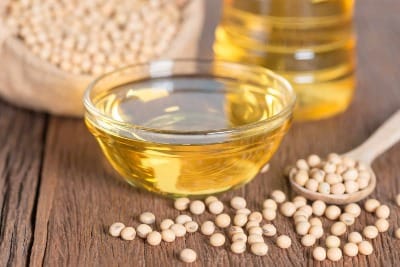
These oils are associated with raising inflammatory markers in the blood and are not recommended for cooking or consumption.
The Worst Cooking Oils
Canola Oil
Canola oil, particularly genetically modified variants, is considered one of the worst oils to have in the kitchen. It is strongly advised to dispose of canola oil due to its negative health effects.
Hydrogenated Oils and Margarine
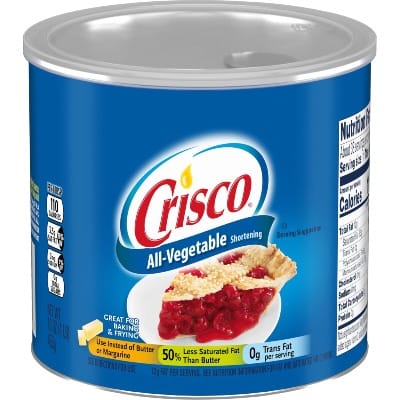
Similarly, hydrogenated oils, such as Crisco, and margarine are considered detrimental to health. The recommendation is to discard these oils immediately, as their usage is linked to severe health risks.
Conclusion
When selecting oils for cooking, it is essential to prioritize saturated and monounsaturated fats while avoiding seed oils and trans fats. By choosing the right oils, individuals may reduce the risk of inflammation, prevent weight gain, and maintain better overall health. It is recommended that individuals do further research and consider the scientific evidence when making dietary choices regarding cooking oils.