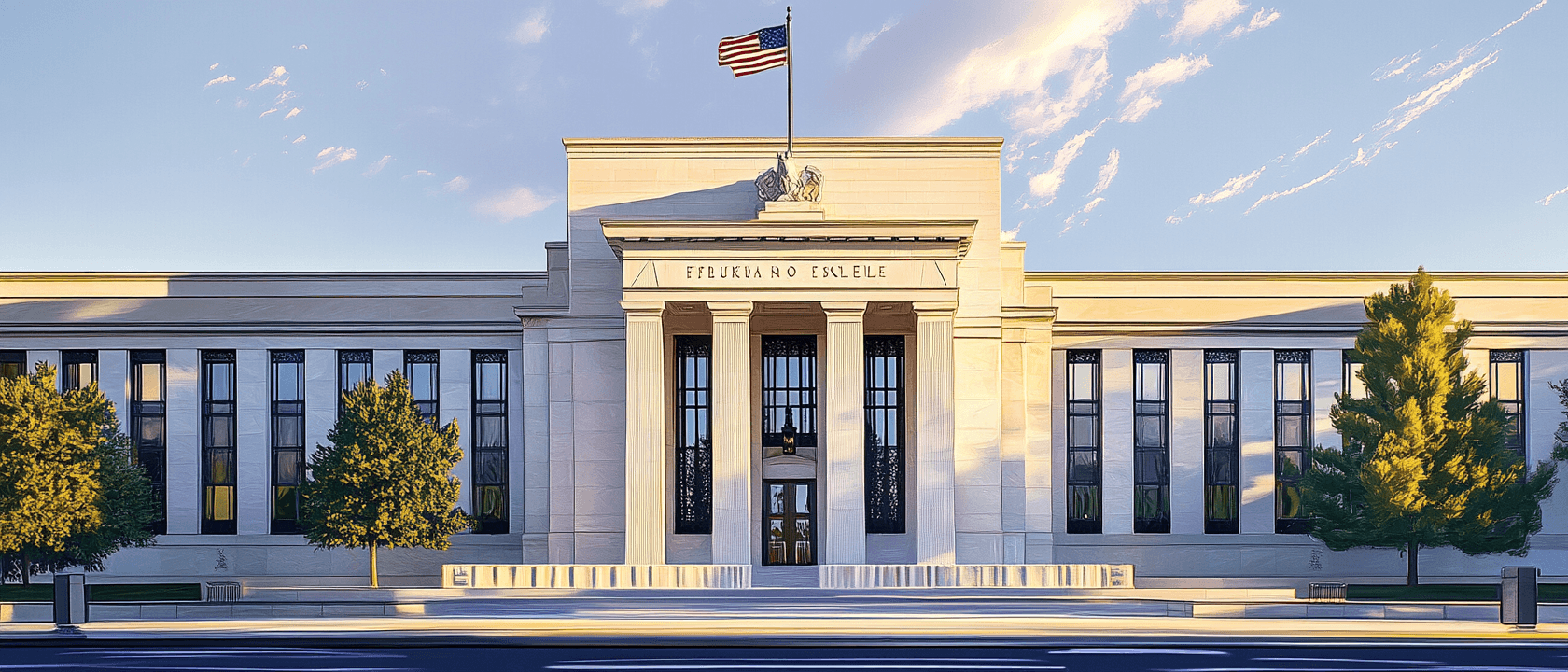
The Federal Reserve announced a quarter-point interest rate cut on Wednesday, reducing the federal funds rate to a range of 4.25%-4.5%, the lowest in two years. This marks the third cut of 2024, but officials signaled a more cautious approach to future rate reductions due to lingering economic uncertainties.
The Federal Reserve cuts interest rates by 25 basis points, bringing rates down to 4.25–4.50%. pic.twitter.com/4ljXGtEjZA
— TFTC (@TFTC21) December 18, 2024
Fed Chair Jerome Powell emphasized the need for a slower pace of rate cuts moving forward. “Today was a closer call, but we decided it was the right call,” Powell said during a press conference. “Having lowered rates by 1 percentage point this year, we can now be more cautious as we consider further adjustments.” Projections suggest only two cuts for 2025, down from four forecasted earlier.
The decision reflects concerns over persistent inflation and a robust labor market that has proven more resilient than expected. While inflation has slowed significantly since mid-2023, recent months saw firmer price pressures, and core inflation for October rose by 2.8% year-over-year.
Cleveland Fed President Beth Hammack dissented against the rate cut, advocating for holding rates steady. Hammack argued that resilient economic growth and elevated inflation justify maintaining a modestly restrictive monetary policy stance. Her position aligns with a broader sentiment among some policymakers who believe the so-called neutral rate of interest may have risen due to structural changes in the economy, such as higher fiscal deficits and productivity growth.
Meanwhile, concerns over the incoming Trump administration’s tariff policies have further complicated the Fed’s inflation outlook. Economists at Goldman Sachs estimate tariffs could increase core inflation by 0.3 percentage points over the next year, which may challenge the Fed’s ability to achieve its 2% inflation target.
Markets reacted cautiously to the announcement, with stocks declining and Treasury yields rising. Investor sentiment remains optimistic, buoyed by expectations of pro-business policies under President-elect Trump. A Bank of America survey reported an eight-month high in economic growth expectations among investors, with only 6% forecasting a recession.