
Texas Senator Ted Cruz, backed by four other senators, has reintroduced the "CBDC Anti-Surveillance State Act." This proposed legislation aims to strengthen previous bans by targeting not just Central Bank Digital Currencies (CBDCs) but also the intermediated model, which utilizes banks as intermediaries for the Federal Reserve, effectively creating a subtler form of surveillance.
Despite the significant public apprehension towards CBDCs—with opposition figures ranging from 80% to 90%—only a handful of senators have rallied behind this bill, reflecting the often disheartening realities of congressional action.
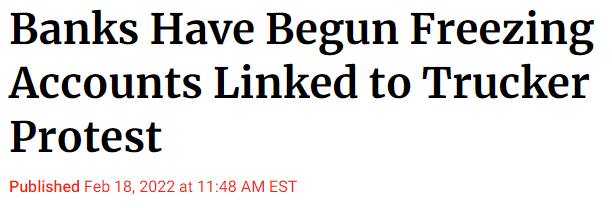
CBDCs represent a transformative shift from the traditional dollar to a digitized currency managed on a centralized government ledger. This technology enables unprecedented visibility into personal spending, savings, and donations, raising red flags over the potential for government overreach. Federal agencies could potentially scrutinize and even block transactions at will, a scenario not too distant from the recent events witnessed during the Canadian trucker protests where protesters found their bank accounts frozen, leaving them without access to funds for basic necessities.
The proposed bill also highlights the economic implications of CBDCs, particularly the central banks' capacity to induce negative interest rates without the constraint of cash withdrawals, thus coercing consumer spending—a tactic China has openly considered to stimulate its economy.
Despite the urgency of these concerns, the bill faces an uphill battle, with many congressional Republicans yet to fully grasp the ramifications of CBDCs, and Senate Democrats showing a preference for the digitized currency, distant from the will of their constituents.
The future of the digital dollar hinges on the public's ability to pressure their representatives into prioritizing privacy, autonomy, and the democratic process over the allure of centralized financial control.