Bitcoin Policy Institute Puts Its Own Reserve on the Line in NY's 39,069-Wallet Fight
The think tank wants to become a defendant, using its own self-custodied bitcoin as the standing to fight a theory that could reach any long-term holder.

The think tank wants to become a defendant, using its own self-custodied bitcoin as the standing to fight a theory that could reach any long-term holder.
Key takeaways
- On July 10, the Bitcoin Policy Institute, represented by White & Case LLP, asked a New York court for leave to intervene as a defendant in the case seeking legal title to 39,069 dormant bitcoin wallets.
- BPI's standing argument is that it self-custodies a "Long-Term Reserve" of bitcoin it plans to hold indefinitely, giving it "the same features as the so-called 'Abandoned Wallets'" the plaintiffs are targeting.
- Intervention would make BPI a party with the right to litigate the merits, including whether five years of no transactions can count as abandonment under state lost-property law.
The Bitcoin Policy Institute (BPI) moved on July 10 to intervene as a defendant in ABC Company v. John Does, the New York case seeking court-ordered title to 39,069 dormant bitcoin wallets. Its memorandum of law is filing number 65 on the case docket (index number 153119/2026).
BPI is represented by White & Case LLP, and its argument for standing is blunt: its own bitcoin looks exactly like the wallets the plaintiffs are trying to claim.
Plaintiffs Noah Doe, ABC Company, and XYZ Company, all proceeding pseudonymously, say they ran an undisclosed algorithm to "find" nearly 40,000 self-custodied wallets that had not transacted in at least five years, copied the public addresses onto USB drives, and handed them to a Manhattan NYPD precinct under New York's Article 7-B lost-property statute. They then asked for a declaratory judgment making them the owners of the wallets and the billions of dollars in bitcoin those addresses hold. BPI's filing is Motion Sequence No. 8 in a docket TFTC has followed since the first motion to dismiss and the earlier attorney rebuttal.
From friend of the court to defendant
Two organizations have already weighed in on this case as amici, including a New York attorney and the Digital Chamber. An amicus brief is an outside opinion the judge can read and set aside. Intervention is a different posture. BPI is asking to become a named party under CPLR 1012 (intervention as of right) and CPLR 1013 (permissive intervention), which would give it the right to raise defenses, take discovery, and appeal.
The reason that matters here is the empty defense table. Out of 39,069 wallets named as "defendants," exactly one owner has appeared, a pseudonymous holder acting without a lawyer. BPI argues the true owners are "unknown and unknowable," that the plaintiffs' unsolicited on-chain messages may never have been seen, and that no one is likely to show up to contest the theory before the plaintiffs push for a judgment. A represented party with a global law firm behind it changes that math.
The standing move: BPI made itself a target
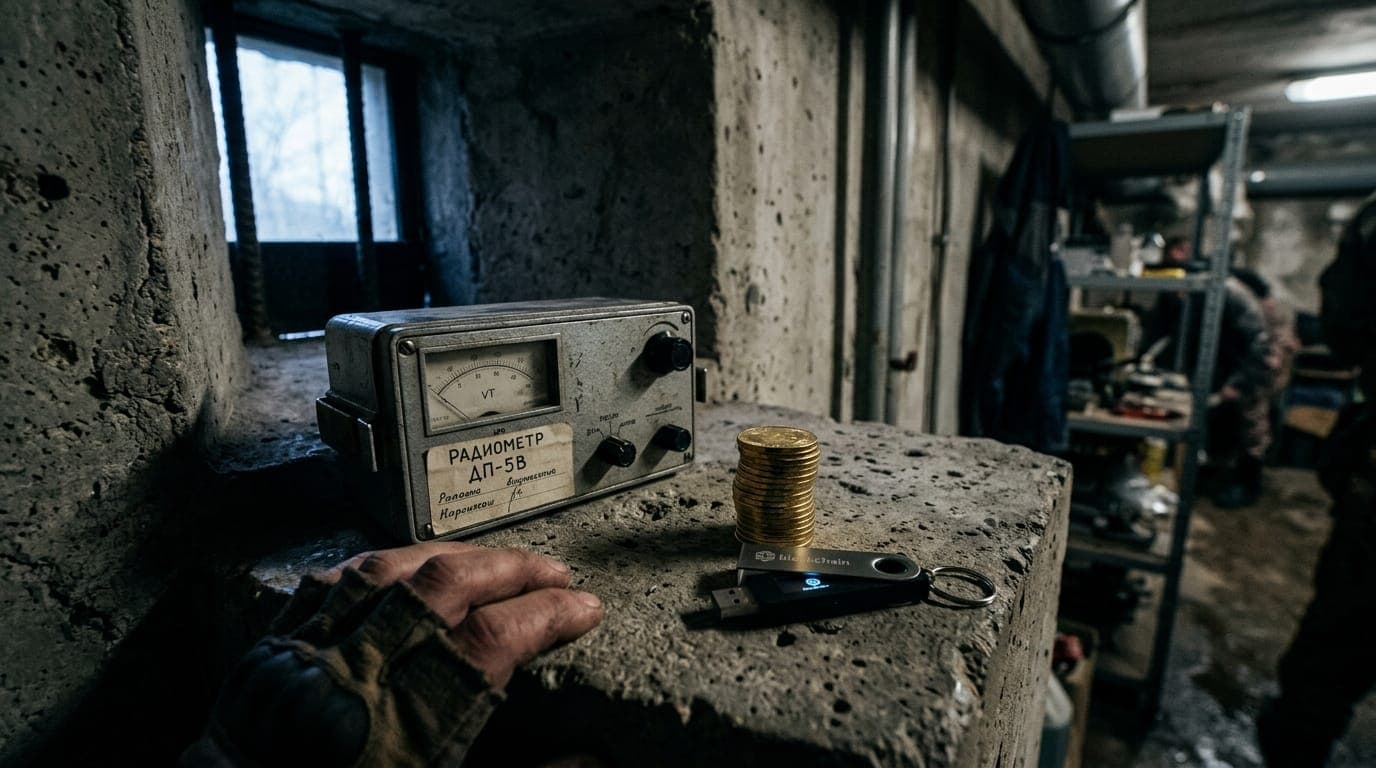
BPI holds a self-custodied "Long-Term Reserve" of bitcoin that it controls directly and intends to hold indefinitely without transacting. Its supporting affidavit states that this reserve has "the same features as the so-called 'Abandoned Wallets'" at issue in the case. That framing converts an abstract worry about bad precedent into a concrete injury the court can act on.
If the plaintiffs prevail, BPI says, its own coins could be deemed abandoned and forfeited through, in its words, "no action on BPI's part and no personal notice." To protect itself, the institute claims it would have to either move its bitcoin to a third-party custodian, which is more expensive and less secure, or run gratuitous "dummy" transactions purely to prove the reserve is still active. This is "not your keys, not your coins" recast as a litigation strategy, the same principle the earlier rebuttal leaned on.
What BPI is arguing on the merits
The filing previews five defenses. Finding a public address, BPI says, is like finding someone's bank account or routing number, and neither entitles the finder to the assets inside. A wallet is a ledger and not the currency itself, a point the plaintiffs conceded in their own complaint.
Five years without a transaction is a long-term holding strategy, which BPI describes using the word "hodlers," and not evidence of abandonment. New York's lost-property regime applies to tangible property and instruments rather than virtual currency, and the plaintiffs have not shown that any of the bitcoin sits in New York at all.
BPI also turns the plaintiffs' own record against them. More than 400 owners flagged by the algorithm have already taken on-chain action to show their coins were never lost, which BPI argues makes the abandonment screen "facially overbroad."
What to watch
The action is stayed until at least July 14, no discovery has been taken, and no default judgment has been sought. That is the window in which New York courts grant intervention most readily, since the standard is a "real and substantial interest" in the outcome and BPI has built a clean one. The open question is whether other large holders, from exchanges to ETP issuers to corporate treasuries, file their own motions on BPI's template, or whether the plaintiffs' theory falls apart on the merits once a represented defendant is finally in the room. A denial of intervention, or a default entered before the merits are tested, would be the signal the risk is climbing rather than easing.
Sources
Frequently Asked Questions
Is any bitcoin actually being moved or seized?
No. The plaintiffs do not hold the private keys and cannot move the coins. They are asking a court to reassign legal title on paper, which would cloud ownership rather than drain the wallets.
How is BPI's motion different from the earlier amicus briefs?
An amicus brief is an outside opinion the judge can consider or ignore. Intervention would make BPI a named party with the right to raise defenses, take discovery, and appeal a judgment.
Could this reach ordinary self-custody holders?
That is BPI's central warning. Its filing argues that if inactivity plus self-custody equals abandonment, any long-term cold-storage holder who does not transact for five years fits the same profile the plaintiffs used to build their list.