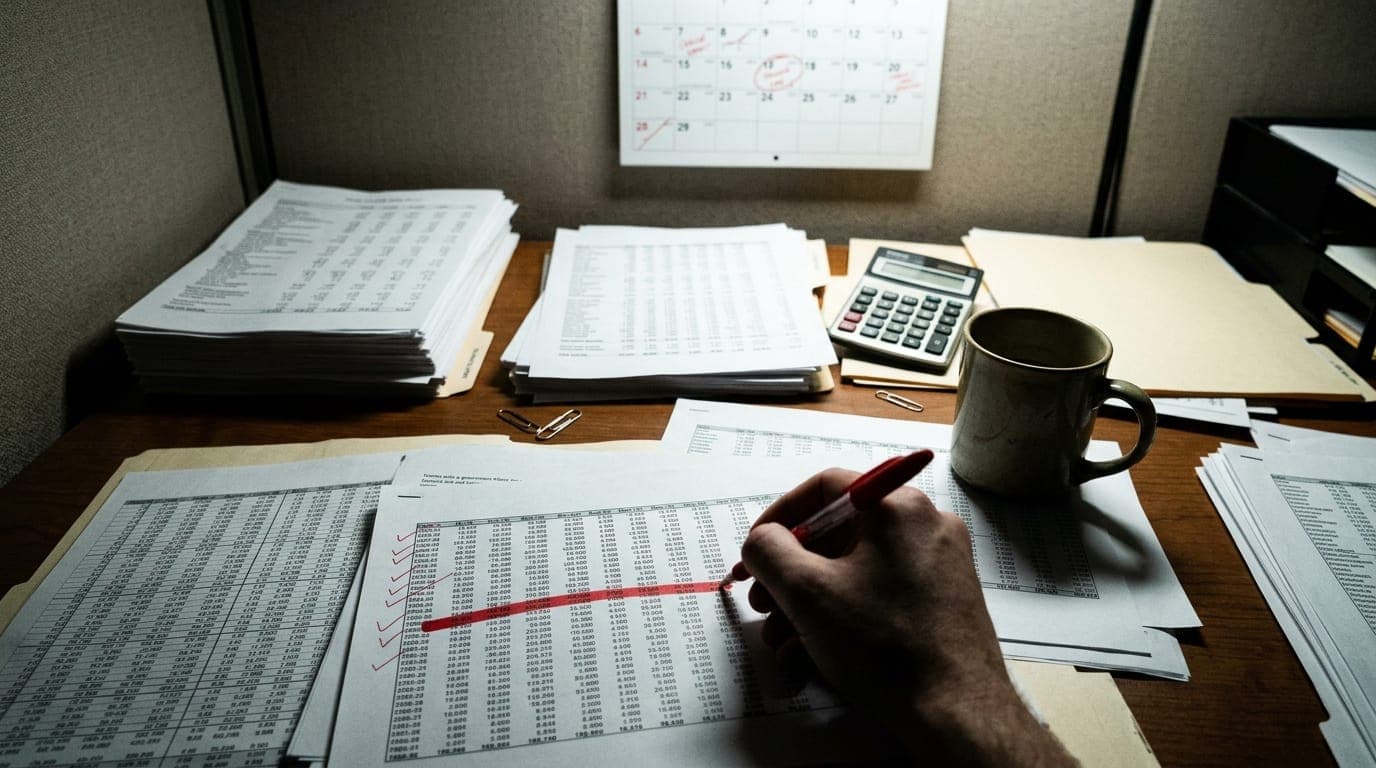
The Banks Are Watching the Plumbing Break
Fourteen major banks published 1,598 research reports this week, and the theme cutting across all of them is the same: the Iran war is stress-testing every assumption the financial system runs on. Brent crude crossed $100 a barrel for the first time since Russia invaded Ukraine, logging its largest single-day jump since the start of COVID. CACIB, one of Europe's largest investment banks, released a focus piece on the Iran war's impact on European inflation and admitted their oil hedges got blown out. Their front-end oil futures positions and gas price exposure forced them to close trades at losses. That's not a hedge fund blowing up. That's a major bank's rates desk saying, "We didn't price this in."
Barclays is warning that the ECB and Bank of England, which had been signaling patience, could shift to outright tightening if medium-term inflation expectations deteriorate. ANZ says rate cuts in 2026 only happen if currency stability and foreign capital inflows persist, and the risks "skew toward a more cautious hold-for-longer stance." The GBP is the worst-performing G10 currency. Japan is issuing alerts about the oil price surge hitting their economy ahead of the US-Japan summit.
Here is the part that should concern everyone: US Treasuries sold off throughout the week, with the 10-year climbing to nearly 4.2%. During a war. During a period when the traditional playbook says capital should be flooding into the "risk-free" asset. It isn't. Blackstone and BlackRock both saw significant redemptions out of some of the largest private credit funds in the world. Major alternative asset managers are down over 40% from last summer's highs. The plumbing is stressed at every level.
Now layer in the capital flow risk nobody is pricing correctly. Saudi Arabia, the UAE, and Qatar recycle hundreds of billions in oil revenues into US Treasuries, AI infrastructure, and American capital markets each year. Qatar alone has committed tens of billions to US AI investment. These Gulf states are the financial circulatory system of the petrodollar arrangement. If the Iran war goes sideways and disrupts their economies, or if the Strait of Hormuz blockade (Polymarket: 99.95% chance of closure by March 31) chokes their revenue, that recycling stops. The bid under Treasuries disappears. The funding for America's AI buildout gets pulled. Dubai real estate has already cratered 32% in two weeks. Citi, Standard Chartered, and Deloitte have evacuated their DIFC offices. Capital is fleeing the Gulf in real time.
Against this backdrop, bitcoin broke above $73,000, outperforming both Nasdaq and the S&P even as the dollar index holds above 100. Shorts got liquidated. The breakout is broadening. When the world's "safe haven" assets, Treasuries and Gulf real estate, are both selling off during a war, capital needs somewhere to go. A neutral, permissionless, non-sovereign reserve asset that can't be sanctioned, frozen, or debased by any central bank starts to look less like a speculative bet and more like the only rational allocation. The banks see the plumbing cracking. Bitcoin is the exit.
|