



Economics
Biden Proposes Historic 45% Capital Gains Tax, Highest in Over a Century
President Biden's proposed 45% capital gains tax, the highest in a century, could significantly impact U.S. investment.
President Biden's proposed 45% capital gains tax, the highest in a century, could significantly impact U.S. investment.
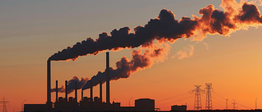
House Republicans criticize the Biden administration's EPA directive to cut emissions from coal and gas plants by 2039, arguing it threatens economic viability and could shut down numerous utilities.

Consumer confidence and employment trends in the U.S. signal a looming recession, with economic indicators like regional Fed surveys and a stagnant bond market highlighting increasing challenges.

Treasury Secretary Janet Yellen defends the Biden administration's economic policies, asserting that Americans are financially better off despite ongoing inflation concerns.

Inflation continues to hit low-income consumers hardest, impacting their spending as noted by top companies.

HUD's new energy efficiency mandates could increase new home construction costs by up to $31,000.

OPEC+ members, particularly Iraq and Kazakhstan, are implementing compensatory cuts ahead of an important upcoming meeting to determine future production policies.

Hong Kong's newly launched Bitcoin spot ETFs experienced a quieter debut than expected, registering modest trading volumes.

President Biden's proposed 45% capital gains tax, the highest in a century, could significantly impact U.S. investment.
House Republicans criticize the Biden administration's EPA directive to cut emissions from coal and gas plants by 2039, arguing it threatens economic viability and could shut down numerous utilities.

Consumer confidence and employment trends in the U.S. signal a looming recession, with economic indicators like regional Fed surveys and a stagnant bond market highlighting increasing challenges.
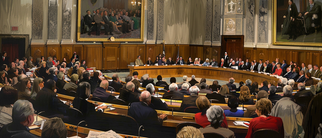
Treasury Secretary Janet Yellen defends the Biden administration's economic policies, asserting that Americans are financially better off despite ongoing inflation concerns.

Inflation continues to hit low-income consumers hardest, impacting their spending as noted by top companies.

HUD's new energy efficiency mandates could increase new home construction costs by up to $31,000.

OPEC+ members, particularly Iraq and Kazakhstan, are implementing compensatory cuts ahead of an important upcoming meeting to determine future production policies.

Hong Kong's newly launched Bitcoin spot ETFs experienced a quieter debut than expected, registering modest trading volumes.

The U.S. economy is teetering on the edge of a 1970s-style stagflation crisis, marked by sluggish GDP growth and rising inflation.

OPEC Secretary General Haitham Al Ghais refutes claims of the oil era's end, emphasizing the resilience of oil demand and advocating for balanced energy policies to prevent investment shortfalls.

The collapse of Republic First Bank, marked by aggressive expansion and financial missteps, signals potential systemic vulnerabilities in the banking sector that could herald a broader crisis.

Nearly 40 million households in the U.S. face financial instability despite being employed, as rising inflation and interest rates force them into a precarious situation.

The Bank of Japan is standing idly by while their currency depreciates past the limit set in September 2022. Is all hope lost for the Japanese Yen?

President Javier Milei's announcement of Argentina's first budget surplus in 16 years highlights a significant economic shift, driven by strict fiscal policies amid high inflation and societal unrest.
