

Anthropic's CEO calls for mandatory government testing of AI models and power to block deployments. Released the same day his company closed a $35 billion credit deal. Meanwhile, Cashu gets Proof of Reserves via Bark, and Botanix shuts down.
|
TFTC Bitcoin Brief | ||||||||||||||||||||
|
Sup, freaks. Dario Amodei, the CEO of Anthropic, published an 8,000-word essay yesterday calling for sweeping government regulation of AI. He wants an FAA for frontier models, government power to block deployments, and mandatory third-party testing. He released it the same day his company finalized a $35 billion private credit deal. Yesterday I told you they deliberately crippled their most capable model. Today, I want to show you why. | ||||||||||||||||||||
LEAD STORY | ||||||||||||||||||||
Dario Amodei Wants an FAA for AI. Here's What He's Really Building. | ||||||||||||||||||||
|
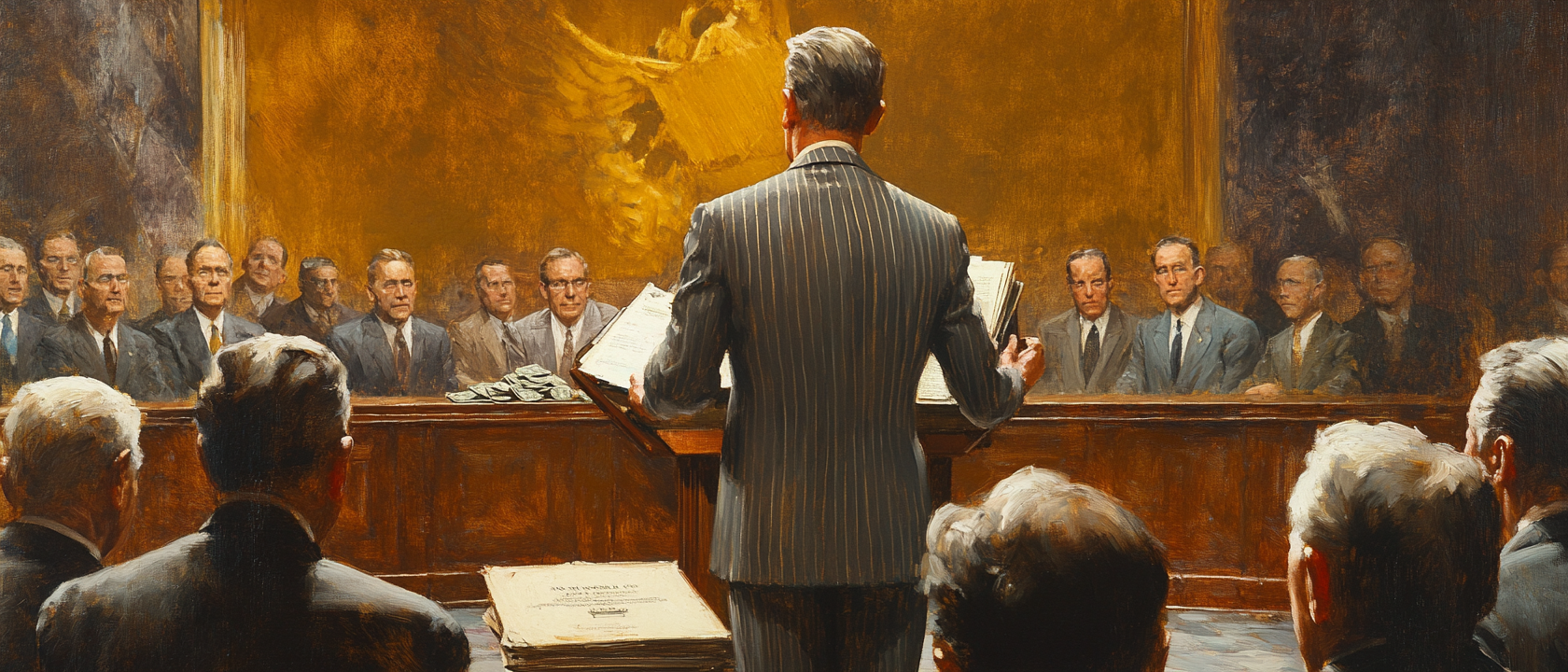
Anthropic's CEO published "Policy on the AI Exponential" yesterday, laying out a five-part policy framework for regulating artificial intelligence. The essay covers regulation, macroeconomics, scientific innovation, civil liberties, and geopolitics. Along with the essay, Anthropic released a legislative proposal for mandatory frontier model testing and a policy framework for AI-driven job displacement, "for which we intend to provide substantial financial backing." The regulatory proposal: models above a compute threshold must undergo mandatory third-party testing across four risk areas: cybersecurity, biological weapons, loss of control, and "automated R&D that could accelerate these other risks." The government would have the power to block deployment if a model fails. Testing would be done by a government agency or private organizations "authorized and inspected by the government." Amodei calls it the FAA model. Cars, airplanes, drugs. He wants AI treated the same way. Read the four risk categories again. The first three are genuine concerns. The fourth, "automated R&D," is the one worth watching. Automated R&D is the thing that makes open-source AI competitive with closed-source labs. It is the process by which smaller teams iterate quickly enough to challenge Anthropic's scale advantage. Classifying it as an existential risk that triggers government review is classifying competition as a threat. Amodei also proposes a "democratic AI coalition" that would share chips and semiconductor equipment within allied nations while denying them to adversaries. He calls for UBI financed by taxes on AI companies if job displacement is large enough. He warns that AI "cannot safely be fully entrusted to either governments or companies" and then points to Anthropic's own Long-Term Benefit Trust as a governance model. That Trust deserves scrutiny. Its members include Zach Robinson, the CEO of the Centre for Effective Altruism. EA is the philosophical movement that produced Sam Bankman-Fried. Dario Amodei was the 43rd signatory of the Giving What We Can pledge. He lived in a group house with Holden Karnofsky (co-founder of GiveWell, now an Anthropic employee) and Paul Christiano (who advises Open Philanthropy). Anthropic's early investors included three of EA's largest funders: Dustin Moskovitz, Sam Bankman-Fried, and Jann Tallinn. The company's first stated value: "We strive to make decisions that maximize positive outcomes for humanity in the long run." That is EA's core utilitarian calculus, word for word. Despite all of this, Anthropic's president Daniela Amodei told Wired, "I'm not the expert on effective altruism. I don't identify with that terminology." The distancing is deliberate. EA's brand is toxic after FTX. But the ideology is alive inside the building. The belief that a small group of cognitively elite people can calculate and maximize "expected value" for all of humanity is the same belief that justified SBF's fraud. It is the same belief that justifies Amodei's essay: we know the risks better than you do, so we should design the rules. I called this out four years ago when FTX was collapsing. The EA movement is radically utilitarian, hubristic, and elitist. It believes a technocratic vanguard should steer humanity's future. The timing matters. This essay dropped the same day Apollo and Blackstone finalized $35 billion in private credit to finance chips for Anthropic's expansion. Anthropic also urged Congress to mandate independent safety testing and to leave state AI laws intact unless a "rigorous federal statute" replaces them. The company that builds the models wants to design the compliance framework that governs who can build models. The company securing $35 billion in compute financing wants a regulatory moat that makes that level of capital a prerequisite for participation. As we covered yesterday, Anthropic's latest model, Fable 5, is the most capable AI ever built and the most deliberately crippled. They quietly restricted its ability to perform legitimate research tasks. The result: researchers lost access to tools they need, while jailbreakers bypassed every safety measure within hours using Unicode tricks and fiction framing. The safety theater that harmed the good guys did not stop the bad guys. Now they want to turn that theater into law. Build something so large and interconnected that the government has to regulate it, then design the regulations yourself. The EA playbook and the Wall Street playbook turn out to be the same playbook. Maximize expected value for humanity, as long as you're the one defining what that means. As one observer put it: "Literally SBF with glasses." | ||||||||||||||||||||
SIGNAL | ||||||||||||||||||||
|
FREEDOM TECH | ||||||||||||||||||||
Cashu Gets Cryptographic Proof of Reserves via Bark and Nostr | ||||||||||||||||||||
|
Ecash mints can now prove their solvency without revealing individual balances. | ||||||||||||||||||||
|
Matthew Vuk announced a working Proof of Reserves implementation for Cashu ecash mints, built on top of Bark (the Ark protocol that launched on Bitcoin mainnet this week) and Nostr. It uses a cosignature between the Bark client and the Ark server to cryptographically verify a mint's minimum balance. Already works on mainnet. The significance: ecash is the privacy layer Bitcoin needs, but the biggest risk has always been trusting the mint operator. This directly addresses that. Within days of Bark going live, developers are building real infrastructure on top of it. No tokens, no airdrop, no governance vote. Just code that works. | ||||||||||||||||||||
|
BITCOIN | ||||||||||||||||||||
Botanix Shuts Down After Four Years. "Insufficient Demand for Bitcoin-Native DeFi." | ||||||||||||||||||||
|
A well-funded, technically sound Bitcoin L2 couldn't find enough users. | ||||||||||||||||||||
|
Polychain-backed Botanix Labs is winding down its Spiderchain, a tokenless Bitcoin Layer 2 that ran for over a year on mainnet with no downtime, no hacks, and 25 million transactions processed. Chainlink, Morpho, and OKX all integrated. It worked. Nobody came. Users have until July 9 to withdraw all assets. The technology wasn't the problem. Market demand was. Bitcoiners do not want DeFi on Bitcoin. They want Bitcoin to be money: scarce, final, verifiable. The things that are succeeding on Bitcoin right now (Bark, Cashu, Lightning, ecash mints) are payments and privacy infrastructure, not yield farming and token swaps. The market is telling builders something important. | ||||||||||||||||||||
|
AI | ||||||||||||||||||||
Fable 5 Jailbroken Within Hours of Release | ||||||||||||||||||||
|
The safety restrictions that crippled researchers didn't stop anyone who actually wanted to misuse the model. | ||||||||||||||||||||
|
Security researcher Pliny the Liberator documented a full jailbreak of Fable 5 within hours of release, extracting cybersecurity exploits, chemical synthesis pathways, and psychological manipulation techniques. The methods: Unicode homoglyphs, long-context tracking, fiction framing, and decomposing harmful queries into benign-looking chunks reassembled on the backend. "Defense becomes much more difficult to maintain when you start throwing in out-of-distribution tokens," he wrote. This is the same model Anthropic crippled for legitimate researchers. The bad actors didn't notice. | ||||||||||||||||||||
|
AI ECONOMICS | ||||||||||||||||||||
SemiAnalysis: AI Subscriptions Are Far More Generous Than the Labs Admit | ||||||||||||||||||||
|
The $200/month plans deliver significantly more than $2,000 in API-equivalent value. | ||||||||||||||||||||
|
SemiAnalysis purchased every subscription tier from Anthropic and OpenAI and ran long-horizon coding tasks until they exhausted the weekly limits. The widely believed ceiling is roughly $2,000 per month worth of tokens on a $200 plan. They found the actual value delivered is significantly higher. The problem for the labs: subscription margins are far worse than API margins. But explicitly nerfing subscriptions triggers massive backlash (see the Microsoft/Claude Code cancellation drama). SemiAnalysis predicts the labs will instead withhold new features and models from subscription plans, gating frontier capabilities behind API-only access. Rapidly falling inference costs mean Opus-level models will eventually be servable at $20/month. Until then, the frontier stays behind a paywall only companies can afford. | ||||||||||||||||||||
|
LABOR MARKET | ||||||||||||||||||||
Opendoor Shuts India Operations. "Our Customers Are in America." | ||||||||||||||||||||
|
Reverse offshoring accelerates as AI makes it cheaper to do the work at home. | ||||||||||||||||||||
|
Opendoor CEO Kaz Nejatian shared an internal note announcing the complete wind-down of the company's India operations. "Our customers are in America, and that's where our operational work belongs." The post resonated: over a million people saw it. AI is making it economically viable to bring operations home because you need fewer people to do the same work. The offshoring arbitrage that defined corporate labor strategy for three decades is reversing. | ||||||||||||||||||||
|
MACRO | ||||||||||||||||||||
Gold Overtakes Treasuries as the World's Largest Reserve Asset. CPI Hits 4.2%. | ||||||||||||||||||||
|
Central banks are telling you what they think of dollar debt. The inflation data is telling you why. | ||||||||||||||||||||
|
Gold now accounts for 27% of global central bank reserves, surpassing US Treasuries as the single largest reserve asset. The rotation out of dollar debt removes a structural buyer from a Treasury market that must absorb record issuance and keeps a central bank bid under bullion even after this week's pullback to roughly $4,083. Meanwhile, US CPI printed at 4.2% year-over-year, a three-year high driven by war-driven energy costs. The Hormuz disruption is flowing directly into consumer prices. The Fed meets next week. President Trump told reporters he "loves" inflation. The 30-year yield is above 5%. Central banks are rotating out of Treasuries and into gold for a reason. This is exactly the setup Satoshi described. "The root problem with conventional currency is all the trust that's required to make it work. The central bank must be trusted not to debase the currency, but the history of fiat currencies is full of breaches of that trust." CPI at 4.2% with a president who says he loves inflation is a breach of that trust in real time. Central banks see it. That is why they are buying gold. The question for the next decade is whether bitcoin joins that rotation. | ||||||||||||||||||||
|
MINING | ||||||||||||||||||||
Hut 8 Closes $4.25 Billion Bond to Build an AI Datacenter in Texas | ||||||||||||||||||||
|
Bitcoin miners are becoming AI infrastructure companies. | ||||||||||||||||||||
|
Hut 8 closed a $4.25 billion offering of 6.129% senior secured notes due 2042 to finance its Beacon Point AI datacenter on a 521-acre campus in Nueces County, Texas. It is one of the largest debt raises in bitcoin mining history, alongside Cipher's $810 million and Keel Infrastructure's $458 million deals this week. Debt at this scale ties miner balance sheets to AI compute contracts rather than block rewards. Pure-play bitcoin hashrate is increasingly concentrated among operators who don't have the power capacity or credit access to convert to AI. | ||||||||||||||||||||
PRESENTED BY | ||||||||||||||||||||
| ||||||||||||||||||||
PRESENTED BY | ||||||||||||||||||||
| ||||||||||||||||||||
⚡ FREEDOM TECH CORNER | ||||||||||||||||||||
| ||||||||||||||||||||
DATA SNAPSHOT | ||||||||||||||||||||
| ||||||||||||||||||||
| ||||||||||||||||||||
|
If you found value in today's Brief, forward it to a friend who needs to understand what's happening with AI regulation and what bitcoin builders are doing about it. See you tomorrow, Marty Bent | ||||||||||||||||||||
|