Macro analyst Luke Gromen on why China's rare-earth leverage quietly removed the military deterrent behind the dollar order, why he thinks gold has overtaken the Treasury bond as the primary reserve asset, and why reshoring means devaluing the dollar.

Energy economist Anas Alhajji makes the strongest case against the de-dollarization story: BRICS is a paper tiger, the petrodollar is here to stay, and the Gulf trip deepened dollar integration. Plus why 'drill baby drill' is over, and the power crunch nobody is pricing.

Macro analyst Lyn Alden on why reserve-currency status quietly costs the US its industrial base, why there's more inflexible demand for dollars than there are dollars to repudiate, and where gold and Bitcoin fit as neutral reserve assets once the system shifts.

Eurodollar trader and Layered Money author Nik Bhatia on the realization that changed his base case: the next wave of Bitcoin demand comes not from asset rotation but from new money created by the bond and repo markets, including sovereign bonds financed in London's eurodollar market.

The economic health of a nation can often be gauged by examining a variety of interconnected indicators. In the United States, a synthesis of lending standards, commercial lending, and employment trends provides a composite view of the economy's trajectory.

In this episode of The Last Trade, Gary Brode joins Marty, Jesse and Michael to cover a broad range of economic and financial topics, responding critically to Jason Calacanis's optimistic view on the economy, as presented on the All-In podcast.

Historically, a yield curve inversion has been a precursor to recessions. In 2023, the yield curve had been inverted for a length of time generally preceding economic contractions, suggesting a high probability of a recession in 2024.

The interplay between global asset prices and liquidity is a critical area of focus for investors and policymakers alike. Understanding the dynamics that drive these financial variables provides insight into the broader economic climate.

Recent developments in the Red Sea region have caused significant changes in maritime routes, with over 100 vessels opting to bypass the Red Sea.

As the year 2023 comes to a close, it’s fascinating to reflect on the dynamism of international trade, the underpinnings of our financial systems, and the looming concerns around currency strength and sovereign debt.

Traditional markets generally maintained gains from the past few weeks even as economic indicators continued to look mixed.

This week's signal in bitcoin and markets.

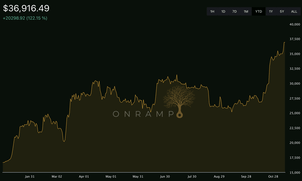
Meanwhile, bitcoin put up another strong showing, gaining another ~15% after last week’s +10% move (which also coincided with a broad selloff in traditional markets).