A ATTOM report reveals a significant increase in U.S. commercial foreclosures, with a 117% rise year-over-year, highlighting growing instability in the commercial real estate market.

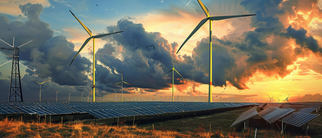
JP Morgan's report indicates that inflation, high interest rates, and geopolitical conflicts could significantly delay the transition from fossil fuels to renewable energy sources.

The Wall Street Journal's article reveals that green energy firms like First Solar derive nearly 90% of their profits from taxpayer-funded subsidies.

Interest rate hikes fail to tame inflation or spark growth, debunking central bank myths.

Creditnews Research's study reveals a dramatic decline in housing affordability, with middle-class households in the U.S. now able to afford homes in only 52 of the 100 largest metros, down from 91 in 2019.

Persistent government spending has kept inflation high, eroding purchasing power and significantly raising costs for consumers across all sectors.

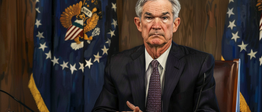
The Federal Reserve's latest Financial Stability Report highlights persistent inflation and the 2024 presidential election as significant risks that could destabilize the financial system.

Following the collapse of Silicon Valley Bank, the Federal Reserve revealed that 1,804 financial institutions utilized the Bank Term Funding Program, which issued $165 billion in loans.

March saw a significant decline in single-family home construction, intensifying challenges in the U.S. housing market due to rising mortgage rates and a shrinking supply.

Amid rising inflation and geopolitical tensions, gold prices have surged.

The Federal Reserve's inconsistencies in communicating and managing U.S. monetary policy, highlight historical and current challenges in accurately predicting and controlling economic trends.

China's Central Bank battles to stabilize the yuan amid escalating economic pressures and global market uncertainties.

U.S. shale oil production shows signs of peaking, potentially altering global supply dynamics and impacting oil prices.

The Biden administration will reimpose sanctions on Venezuela's oil and gas sectors due to non-compliance with the Barbados Agreement's electoral conditions.