



Health
Biden Administration Launches $30 Billion 'Global Health Security Strategy'
The Global Health Security Strategy by the Biden Administration commits $30 billion to "improve global infectious disease responses."
The Global Health Security Strategy by the Biden Administration commits $30 billion to "improve global infectious disease responses."

The March jobs report in the U.S. suggests an unsettling trend toward part-time employment and a notable decrease in full-time positions.

Discrepancies in rising commodity prices and interest rates cast doubt on the authenticity of the perceived economic recovery, challenging the traditional reflation narrative.

Elon Musk is introducing a paywall for new users on X to tackle spam bots, offering a fee-based posting option or a three-month wait for those who opt out.
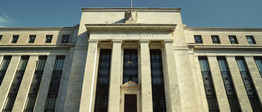
The sharp decline in inflows to the Federal Reserve's reverse repo facility signals shifts in U.S. monetary strategy, influenced by tax deadlines and Treasury debt settlements.

China's banking challenges and slowing loan growth raise serious concerns about the country's economic stability and its potential impact on global growth.

Senators Elizabeth Warren and Chuck Grassley are intensifying their scrutiny of the relationship between CFTC Chairman Rostin Behnam and Sam Bankman-Fried.

Norway's new legislation aims to regulate data center operations by requiring registration with local authorities, specifically targeting Bitcoin mining operations.

The Global Health Security Strategy by the Biden Administration commits $30 billion to "improve global infectious disease responses."

The March jobs report in the U.S. suggests an unsettling trend toward part-time employment and a notable decrease in full-time positions.

Discrepancies in rising commodity prices and interest rates cast doubt on the authenticity of the perceived economic recovery, challenging the traditional reflation narrative.

Elon Musk is introducing a paywall for new users on X to tackle spam bots, offering a fee-based posting option or a three-month wait for those who opt out.
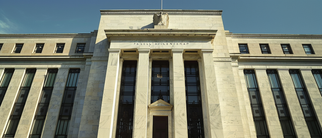
The sharp decline in inflows to the Federal Reserve's reverse repo facility signals shifts in U.S. monetary strategy, influenced by tax deadlines and Treasury debt settlements.

China's banking challenges and slowing loan growth raise serious concerns about the country's economic stability and its potential impact on global growth.

Senators Elizabeth Warren and Chuck Grassley are intensifying their scrutiny of the relationship between CFTC Chairman Rostin Behnam and Sam Bankman-Fried.

Norway's new legislation aims to regulate data center operations by requiring registration with local authorities, specifically targeting Bitcoin mining operations.

This episode of TFTC with Ben Braddock explores diverse topics including MS-13’s societal impact, President Nayib Bukele's leadership in El Salvador, and significant shifts in American society post-COVID-19

Amish farmer Amos Miller won the right to sell his raw dairy products across state lines despite a Pennsylvania state ban.

The House-approved bill to reauthorize Section 702 of the FISA has sparked major concerns over expanded domestic surveillance.

Over 128,000 victims of a Chinese scam are contesting to reclaim over £3 billion in bitcoin confiscated by UK authorities during a raid linked to a massive fraud operation valued around £5 billion.

Hong Kong conditionally approves its first spot Bitcoin ETFs, signaling its ambition to become a major hub for Bitcoin investment in Asia.

Persistent high inflation in the U.S., marked by a significant annualized increase in the CPI, is complicating the Federal Reserve's policy decisions amid economic and political pressures.
